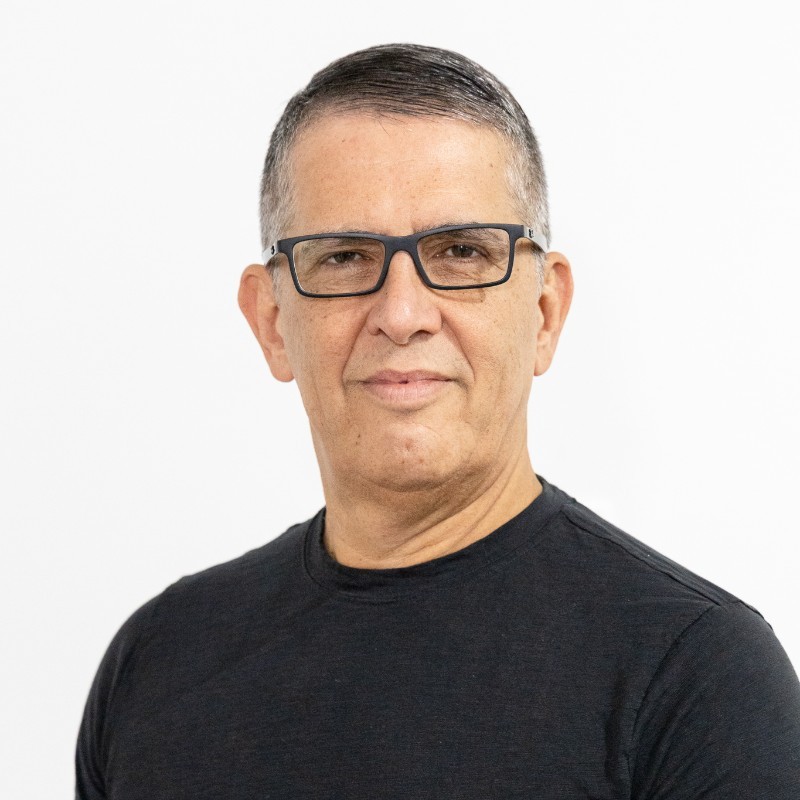
Mario Faria, Big Data Technology Advisor at Technology Partner Network, Bill & Melinda Gates Foundation, and part of the MIT Data Science Initiative, discussed the role of the Chief Data Office in enterprise, as well as that of the team they manage, with theCUBE co-hosts Dave Vellante and Jeff Kelly, live at the MIT CDOIQ Symposium.
The first CDO in Latin America during his time at Boa Vista, Mario Faria said he was more of a data practitioner than a data scientist. "I am not a data scientist per se, I am more downstream on the data process, I understand how to use and monetize in terms of data. I am a data practitioner. "
Why hire a CDO?
Asked how an organization justifies the role of a CDO, Faria said that it's a matter of common sense, as for most companies data has become a critical asset to creating value. "When you bring in a CFO, do you make a business case to bring your CFO?" The same is true for a adding a CDO position.
Remembering his first day on the job as CDO, Faria said he spent "the majority of the time talking to my peers, understanding their expectations, understanding how they saw data. I did more listening than any other action." The purpose was to understand the issues, to later create a vision with his team, implement it in the future to address those very issues.
"You're there to make money or save costs in an area where you have some inefficiencies," Faria explained. "What my team did was look at issues we had to solve."
Where's the CDO fit in?
Asked where should the CDO sit in the organizational structure, Faria said that in his case, as data was very important to the company, he was reporting directly to the CEO, the CIO being his peer. In other organizations, CDOs report to COOs or to Marketing."I don't think it's a good idea to report to the CIO. Data should be a business issue, not a technical issue."
Commenting on the concept of data quality, Faria said: "We have a saying, ' garbage in, garbage out.'" Quality should be ensured at every step of the data process, "otherwise you'll hurt yourself down the line. It should evolve as part of data science, how you can look at raw data to create value for your business," he explained.
The role of granularity in data quality
Granularity plays a large role in data quality, he said, detailing his experience with Boa Vista. "We have to have quality down to every detail, we had to be really, really careful. when we applied data quality methodologies, we had to be even more paranoid," given the particularities of a financial business, Faria explained.
Asked what piece of advice he'd share with CDOs to help them succeed, Faria said that "not every data person will be a CDO down the road." There are a lot of skills needed to succeed, and know-how pertaining to communications, data, mathematics, statistic, while also being good with people, and tech savvy.
Mario Faria, Bill and Melinda Gates Foundation, at MIT Information Quality 2013 with Dave Vellante and Jeff Kelly
#MITIQ
@thecube
Forgot Password
Almost there!
We just sent you a verification email. Please verify your account to gain access to
MITChief Data Officer and Information Quality Symposium (CDOIQ) | 2013. If you don’t think you received an email check your
spam folder.
Sign in to MITChief Data Officer and Information Quality Symposium (CDOIQ) | 2013.
In order to sign in, enter the email address you used to registered for the event. Once completed, you will receive an email with a verification link. Open this link to automatically sign into the site.
Register For MITChief Data Officer and Information Quality Symposium (CDOIQ) | 2013
Please fill out the information below. You will recieve an email with a verification link confirming your registration. Click the link to automatically sign into the site.
You’re almost there!
We just sent you a verification email. Please click the verification button in the email. Once your email address is verified, you will have full access to all event content for MITChief Data Officer and Information Quality Symposium (CDOIQ) | 2013.
I want my badge and interests to be visible to all attendees.
Checking this box will display your presense on the attendees list, view your profile and allow other attendees to contact you via 1-1 chat. Read the Privacy Policy. At any time, you can choose to disable this preference.
Select your Interests!
add
Upload your photo
Uploading..
OR
Connect via Twitter
Connect via Linkedin
EDIT PASSWORD
Share
Forgot Password
Almost there!
We just sent you a verification email. Please verify your account to gain access to
MITChief Data Officer and Information Quality Symposium (CDOIQ) | 2013. If you don’t think you received an email check your
spam folder.
Sign in to MITChief Data Officer and Information Quality Symposium (CDOIQ) | 2013.
In order to sign in, enter the email address you used to registered for the event. Once completed, you will receive an email with a verification link. Open this link to automatically sign into the site.
Sign in to gain access to MITChief Data Officer and Information Quality Symposium (CDOIQ) | 2013
Please sign in with LinkedIn to continue to MITChief Data Officer and Information Quality Symposium (CDOIQ) | 2013. Signing in with LinkedIn ensures a professional environment.
Are you sure you want to remove access rights for this user?
Details
Manage Access
email address
Community Invitation
Mario Faria, Bill & Melinda Gates Foundation - MIT Information Quality 2013 - #MIT #CDOIQ #theCUBE
Mario Faria, Big Data Technology Advisor at Technology Partner Network, Bill & Melinda Gates Foundation, and part of the MIT Data Science Initiative, discussed the role of the Chief Data Office in enterprise, as well as that of the team they manage, with theCUBE co-hosts Dave Vellante and Jeff Kelly, live at the MIT CDOIQ Symposium.
The first CDO in Latin America during his time at Boa Vista, Mario Faria said he was more of a data practitioner than a data scientist. "I am not a data scientist per se, I am more downstream on the data process, I understand how to use and monetize in terms of data. I am a data practitioner. "
Why hire a CDO?
Asked how an organization justifies the role of a CDO, Faria said that it's a matter of common sense, as for most companies data has become a critical asset to creating value. "When you bring in a CFO, do you make a business case to bring your CFO?" The same is true for a adding a CDO position.
Remembering his first day on the job as CDO, Faria said he spent "the majority of the time talking to my peers, understanding their expectations, understanding how they saw data. I did more listening than any other action." The purpose was to understand the issues, to later create a vision with his team, implement it in the future to address those very issues.
"You're there to make money or save costs in an area where you have some inefficiencies," Faria explained. "What my team did was look at issues we had to solve."
Where's the CDO fit in?
Asked where should the CDO sit in the organizational structure, Faria said that in his case, as data was very important to the company, he was reporting directly to the CEO, the CIO being his peer. In other organizations, CDOs report to COOs or to Marketing."I don't think it's a good idea to report to the CIO. Data should be a business issue, not a technical issue."
Commenting on the concept of data quality, Faria said: "We have a saying, ' garbage in, garbage out.'" Quality should be ensured at every step of the data process, "otherwise you'll hurt yourself down the line. It should evolve as part of data science, how you can look at raw data to create value for your business," he explained.
The role of granularity in data quality
Granularity plays a large role in data quality, he said, detailing his experience with Boa Vista. "We have to have quality down to every detail, we had to be really, really careful. when we applied data quality methodologies, we had to be even more paranoid," given the particularities of a financial business, Faria explained.
Asked what piece of advice he'd share with CDOs to help them succeed, Faria said that "not every data person will be a CDO down the road." There are a lot of skills needed to succeed, and know-how pertaining to communications, data, mathematics, statistic, while also being good with people, and tech savvy.
Mario Faria, Bill and Melinda Gates Foundation, at MIT Information Quality 2013 with Dave Vellante and Jeff Kelly
#MITIQ
@thecube