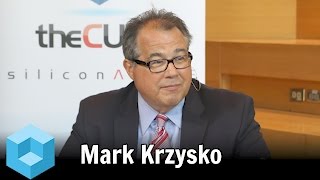
01. Wrap-Up Day 2 MIT CDOIQ Symposium #theCUBE!. (00:21)
02. The Struggle of the Chief Data Officer Role. (01:00)
03. The Necessary Transformation of IT Spending. (03:51)
04. Leveraging the Data Layer. (05:55)
05. Where Data Leaves the CIO. (06:55)
06. The Coming Disruption in the Community. (08:47)
07. The Cloud and the Necessary Change for the "Big Whales". (10:52)
08. The Model for the CIO and the Stewardship Role. (12:16)
09. Transforming the Business from a Data Perspective. (13:57)
10. Thank-Yous and Closing for MIT IQ. (16:39)
Track List created with http://www.vinjavideo.com.
--- ---
Identity crisis: Will CDO role make CIOs irrelevant? | #MITCDOIQ
by Paul Gillin | Jul 24, 2015
The chief information officer (CIO) role seems to go through a crisis about once every decade, from the “career is over” one-liners of the 1990s to Nicholas Carr’s 2003 declaration that “IT Doesn’t Matter.” Its newest challenge may come from the emerging function of the chief data officer (CDO).
This week’s MIT Chief Data Officer and Information Quality Symposium made it clear that the CDO concept is still ill-defined and tentative, much as the CIO role was in the 1980s. But if current trends in the market play out, you have to wonder what role the CIO will play a decade from now.
Although things like reporting structures and even CDO job descriptions are still all over the map (Wikipedia lists no less than five common reporting lines), one thing that’s clear is that CDOs represent the interests of the business. Regardless of whether a company is still slogging through structure and governance issues or using data strategically, the CDO is responsible for finding ways to innovate through the use of data.
Historically, that’s been the goal of most CIOs as well, but the gnarly details of keeping the lights on and the equipment running have gotten in the way. Maintenance still eats up 70% of corporate IT budgets, and probably about the same amount of CIO time. As Neuralytix analyst Ben Woo put it, “CIO stands for chief infrastructure officer.”
But infrastructure is going away. Maybe not today or in five years, but there’s no question that the cloud is now the data center of choice for new companies and IT projects. As the need to manage infrastructure fades, CIOs will face a new crisis: Become strategic or become redundant.
I question how many will be able to make the transition. The CIO job is so demanding that there is little time for thinking about business strategy. In my experience, most CIOs are more comfortable talking about project management than profit and loss. Only a handful have ever made the leap to the top corporate spot.
Even the CDO title has ominous overtones for CIOs. The dictionary tells us that data and information are practically synonymous. Why do organizations need two top executives to manage information?
Perhaps it’s because CIOs have failed to live up to their titles. They’ve become experts at capturing and protecting information but not at using it. The rise of the CDO concept raises the stakes.
How many are up to the challenge?
There’s no guarantee that the title of CDO has staying power. C-level concepts come and go (remember the “chief customer officer” fad of a few years ago?), and it’s far too early to declare this one a keeper. But regardless of whether the title persists, the concept is what matters. As General Electric Co. CEO Jeffrey Immelt has said, every company must become a digital company. CIOs are the best candidates to get them there, if they can look up long enough to see the forest for the trees.
Wikibon’s David Vellante and I discussed this dynamic in our wrap-up of the MIT conference (17:59).
@theCUBE
#MITIQ
Forgot Password
Almost there!
We just sent you a verification email. Please verify your account to gain access to
MIT Chief Data Officer and Information Quality Symposium (CDOIQ) 2015 | Cambridge. If you don’t think you received an email check your
spam folder.
Sign in to MIT Chief Data Officer and Information Quality Symposium (CDOIQ) 2015 | Cambridge.
In order to sign in, enter the email address you used to registered for the event. Once completed, you will receive an email with a verification link. Open this link to automatically sign into the site.
Register For MIT Chief Data Officer and Information Quality Symposium (CDOIQ) 2015 | Cambridge
Please fill out the information below. You will recieve an email with a verification link confirming your registration. Click the link to automatically sign into the site.
You’re almost there!
We just sent you a verification email. Please click the verification button in the email. Once your email address is verified, you will have full access to all event content for MIT Chief Data Officer and Information Quality Symposium (CDOIQ) 2015 | Cambridge.
Thanks for confirming your account. Now you can access MIT Chief Data Officer and Information Quality Symposium (CDOIQ) 2015 | Cambridge with this email address.
I want my badge and interests to be visible to all attendees.
Checking this box will display your presense on the attendees list, view your profile and allow other attendees to contact you via 1-1 chat. Read the Privacy Policy. At any time, you can choose to disable this preference.
Select your Interests!
add
Upload your photo
Uploading..
OR
Connect via Twitter
Connect via Linkedin
EDIT PASSWORD
Share
Forgot Password
Almost there!
We just sent you a verification email. Please verify your account to gain access to
MIT Chief Data Officer and Information Quality Symposium (CDOIQ) 2015 | Cambridge. If you don’t think you received an email check your
spam folder.
Sign in to MIT Chief Data Officer and Information Quality Symposium (CDOIQ) 2015 | Cambridge.
In order to sign in, enter the email address you used to registered for the event. Once completed, you will receive an email with a verification link. Open this link to automatically sign into the site.
Sign in to gain access to MIT Chief Data Officer and Information Quality Symposium (CDOIQ) 2015 | Cambridge
Please sign in with LinkedIn to continue to MIT Chief Data Officer and Information Quality Symposium (CDOIQ) 2015 | Cambridge. Signing in with LinkedIn ensures a professional environment.
Are you sure you want to remove access rights for this user?
Details
Manage Access
email address
Community Invitation
Wrap Up Day 2 - MIT CDOIQ Symposium 2015 - theCUBE - #MITIQ
01. Wrap-Up Day 2 MIT CDOIQ Symposium #theCUBE!. (00:21)
02. The Struggle of the Chief Data Officer Role. (01:00)
03. The Necessary Transformation of IT Spending. (03:51)
04. Leveraging the Data Layer. (05:55)
05. Where Data Leaves the CIO. (06:55)
06. The Coming Disruption in the Community. (08:47)
07. The Cloud and the Necessary Change for the "Big Whales". (10:52)
08. The Model for the CIO and the Stewardship Role. (12:16)
09. Transforming the Business from a Data Perspective. (13:57)
10. Thank-Yous and Closing for MIT IQ. (16:39)
Track List created with http://www.vinjavideo.com.
--- ---
Identity crisis: Will CDO role make CIOs irrelevant? | #MITCDOIQ
by Paul Gillin | Jul 24, 2015
The chief information officer (CIO) role seems to go through a crisis about once every decade, from the “career is over” one-liners of the 1990s to Nicholas Carr’s 2003 declaration that “IT Doesn’t Matter.” Its newest challenge may come from the emerging function of the chief data officer (CDO).
This week’s MIT Chief Data Officer and Information Quality Symposium made it clear that the CDO concept is still ill-defined and tentative, much as the CIO role was in the 1980s. But if current trends in the market play out, you have to wonder what role the CIO will play a decade from now.
Although things like reporting structures and even CDO job descriptions are still all over the map (Wikipedia lists no less than five common reporting lines), one thing that’s clear is that CDOs represent the interests of the business. Regardless of whether a company is still slogging through structure and governance issues or using data strategically, the CDO is responsible for finding ways to innovate through the use of data.
Historically, that’s been the goal of most CIOs as well, but the gnarly details of keeping the lights on and the equipment running have gotten in the way. Maintenance still eats up 70% of corporate IT budgets, and probably about the same amount of CIO time. As Neuralytix analyst Ben Woo put it, “CIO stands for chief infrastructure officer.”
But infrastructure is going away. Maybe not today or in five years, but there’s no question that the cloud is now the data center of choice for new companies and IT projects. As the need to manage infrastructure fades, CIOs will face a new crisis: Become strategic or become redundant.
I question how many will be able to make the transition. The CIO job is so demanding that there is little time for thinking about business strategy. In my experience, most CIOs are more comfortable talking about project management than profit and loss. Only a handful have ever made the leap to the top corporate spot.
Even the CDO title has ominous overtones for CIOs. The dictionary tells us that data and information are practically synonymous. Why do organizations need two top executives to manage information?
Perhaps it’s because CIOs have failed to live up to their titles. They’ve become experts at capturing and protecting information but not at using it. The rise of the CDO concept raises the stakes.
How many are up to the challenge?
There’s no guarantee that the title of CDO has staying power. C-level concepts come and go (remember the “chief customer officer” fad of a few years ago?), and it’s far too early to declare this one a keeper. But regardless of whether the title persists, the concept is what matters. As General Electric Co. CEO Jeffrey Immelt has said, every company must become a digital company. CIOs are the best candidates to get them there, if they can look up long enough to see the forest for the trees.
Wikibon’s David Vellante and I discussed this dynamic in our wrap-up of the MIT conference (17:59).
@theCUBE
#MITIQ