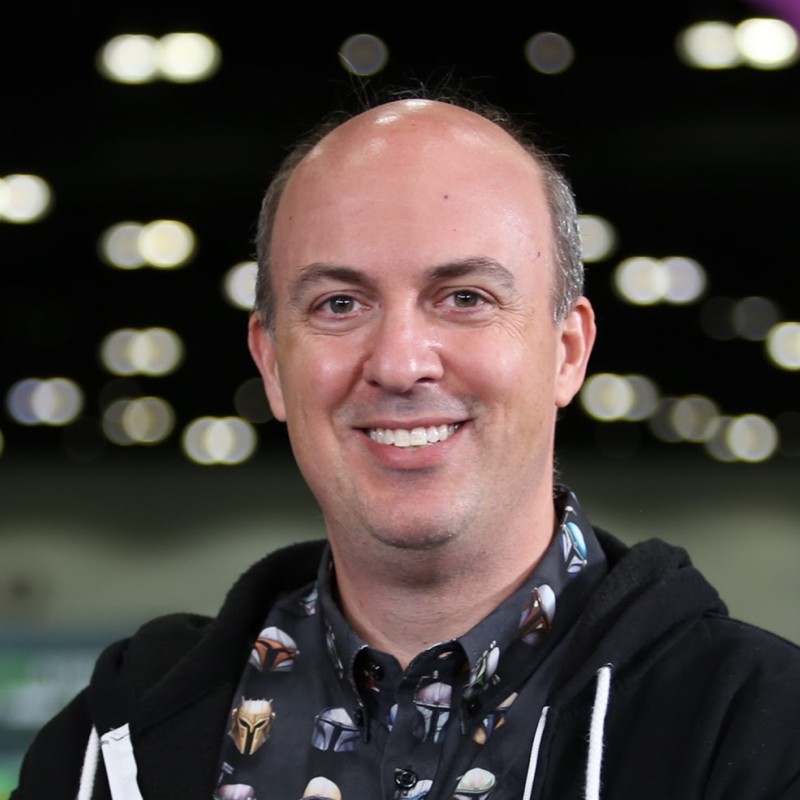
Madhu Matta & Dr. Daniel Gruner talk with Rebecca Knight & Stu Miniman at Lenovo Transform 2.0 in New York, NY.
#LenovoTransform #Lenovo #SciNet
https://siliconangle.com/2018/09/25/supercomputing-science-practice-not-product-lenovotransform/
Supercomputing for science is a practice, not a product
Think getting accurate big-data analytics insights for a retail business is a big hassle? Try solving some of the planet’s most menacing challenges, such as marine-life preservation and global warming. The answer is: a monster of a supercomputer that requires two-way collaboration between scientists and researchers and the makers of the necessary hardware and software.
Lenovo Group Ltd is now the number one supercomputer provider in the world, according to Madhu Matta (pictured, left), vice president and general manager of high-performance computing and artificial intelligence at Lenovo. His teams work with academics to support massive data-crunching initiatives.
“It’s not a segment or a division,” he said. “I see high-performance computing as a practice. And within any practice, it’s many pieces that come together. You have a conductor, you have the orchestra, but at the end of the day, the delivery of that many systems is the concept. That’s the way to look at this.”
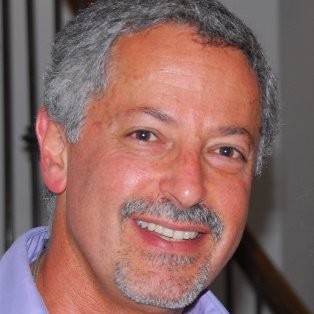
Matta and Dr. Daniel Gruner (pictured, right), chief technology officer of the SciNet High Performance Computing Consortium, spoke with Stu Miniman (@stu) and Rebecca Knight (@knightrm), co-hosts of theCUBE, SiliconANGLE Media’s mobile livestreaming studio, during the Lenovo Transform 2.0 event in NYC. They discussed the work required to build supercomputers for intense scientific research. (* Disclosure below.)
Relief for overworked researchers
The University of Toronto and its associated research hospitals use SciNet’s supercomputing resources in their research. It runs the largest supercomputer in Canada, according to Gruner. The team that runs SciNet are scientists who turned to computers because they did the best job of answering certain scientific queries of massive scale, such as ocean-circulation calculations.
“We really are about helping the researchers do their research,” Gruner said.
Three distinct teams within Lenovo work with end users to tune supercomputer hardware and software for their specific needs. One is dedicated to benchmarking; they look at the app researchers will run, and they tune the performance of the cluster accordingly. Another team includes solution architects that work with the benchmarking team “to say, ‘Against this application, let’s build … the biggest, baddest, best-performing solution for that particular application,'” Gruner explained. A third team goes on-site to deploy, manage and install the supercomputer.
Lenovo developed its own open-source software for its supercomputers and a special water-cooling system, branded Neptune, to cool them.
Watch the complete video interview below, and be sure to check out more of SiliconANGLE’s and theCUBE’s coverage of the Lenovo Transform 2.0 event. (* Disclosure: TheCUBE is a paid media partner for Lenovo Transform 2.0. Neither Lenovo Group Ltd, the event sponsor, nor other sponsors have editorial control over content on theCUBE or SiliconANGLE.)
Forgot Password
Almost there!
We just sent you a verification email. Please verify your account to gain access to
Lenovo Transform 2018 | New York. If you don’t think you received an email check your
spam folder.
In order to sign in, enter the email address you used to registered for the event. Once completed, you will receive an email with a verification link. Open this link to automatically sign into the site.
Register For Lenovo Transform 2018 | New York
Please fill out the information below. You will recieve an email with a verification link confirming your registration. Click the link to automatically sign into the site.
You’re almost there!
We just sent you a verification email. Please click the verification button in the email. Once your email address is verified, you will have full access to all event content for Lenovo Transform 2018 | New York.
I want my badge and interests to be visible to all attendees.
Checking this box will display your presense on the attendees list, view your profile and allow other attendees to contact you via 1-1 chat. Read the Privacy Policy. At any time, you can choose to disable this preference.
Select your Interests!
add
Upload your photo
Uploading..
OR
Connect via Twitter
Connect via Linkedin
EDIT PASSWORD
Share
Forgot Password
Almost there!
We just sent you a verification email. Please verify your account to gain access to
Lenovo Transform 2018 | New York. If you don’t think you received an email check your
spam folder.
In order to sign in, enter the email address you used to registered for the event. Once completed, you will receive an email with a verification link. Open this link to automatically sign into the site.
Sign in to gain access to Lenovo Transform 2018 | New York
Please sign in with LinkedIn to continue to Lenovo Transform 2018 | New York. Signing in with LinkedIn ensures a professional environment.
Are you sure you want to remove access rights for this user?
Details
Manage Access
email address
Community Invitation
Madhu Matta, Lenovo & Dr. Daniel Gruner, SciNet | Lenovo Transform 2018
Madhu Matta & Dr. Daniel Gruner talk with Rebecca Knight & Stu Miniman at Lenovo Transform 2.0 in New York, NY.
#LenovoTransform #Lenovo #SciNet
https://siliconangle.com/2018/09/25/supercomputing-science-practice-not-product-lenovotransform/
Supercomputing for science is a practice, not a product
Think getting accurate big-data analytics insights for a retail business is a big hassle? Try solving some of the planet’s most menacing challenges, such as marine-life preservation and global warming. The answer is: a monster of a supercomputer that requires two-way collaboration between scientists and researchers and the makers of the necessary hardware and software.
Lenovo Group Ltd is now the number one supercomputer provider in the world, according to Madhu Matta (pictured, left), vice president and general manager of high-performance computing and artificial intelligence at Lenovo. His teams work with academics to support massive data-crunching initiatives.
“It’s not a segment or a division,” he said. “I see high-performance computing as a practice. And within any practice, it’s many pieces that come together. You have a conductor, you have the orchestra, but at the end of the day, the delivery of that many systems is the concept. That’s the way to look at this.”
Matta and Dr. Daniel Gruner (pictured, right), chief technology officer of the SciNet High Performance Computing Consortium, spoke with Stu Miniman (@stu) and Rebecca Knight (@knightrm), co-hosts of theCUBE, SiliconANGLE Media’s mobile livestreaming studio, during the Lenovo Transform 2.0 event in NYC. They discussed the work required to build supercomputers for intense scientific research. (* Disclosure below.)
Relief for overworked researchers
The University of Toronto and its associated research hospitals use SciNet’s supercomputing resources in their research. It runs the largest supercomputer in Canada, according to Gruner. The team that runs SciNet are scientists who turned to computers because they did the best job of answering certain scientific queries of massive scale, such as ocean-circulation calculations.
“We really are about helping the researchers do their research,” Gruner said.
Three distinct teams within Lenovo work with end users to tune supercomputer hardware and software for their specific needs. One is dedicated to benchmarking; they look at the app researchers will run, and they tune the performance of the cluster accordingly. Another team includes solution architects that work with the benchmarking team “to say, ‘Against this application, let’s build … the biggest, baddest, best-performing solution for that particular application,'” Gruner explained. A third team goes on-site to deploy, manage and install the supercomputer.
Lenovo developed its own open-source software for its supercomputers and a special water-cooling system, branded Neptune, to cool them.
Watch the complete video interview below, and be sure to check out more of SiliconANGLE’s and theCUBE’s coverage of the Lenovo Transform 2.0 event. (* Disclosure: TheCUBE is a paid media partner for Lenovo Transform 2.0. Neither Lenovo Group Ltd, the event sponsor, nor other sponsors have editorial control over content on theCUBE or SiliconANGLE.)