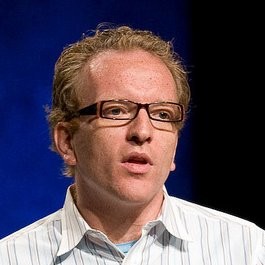
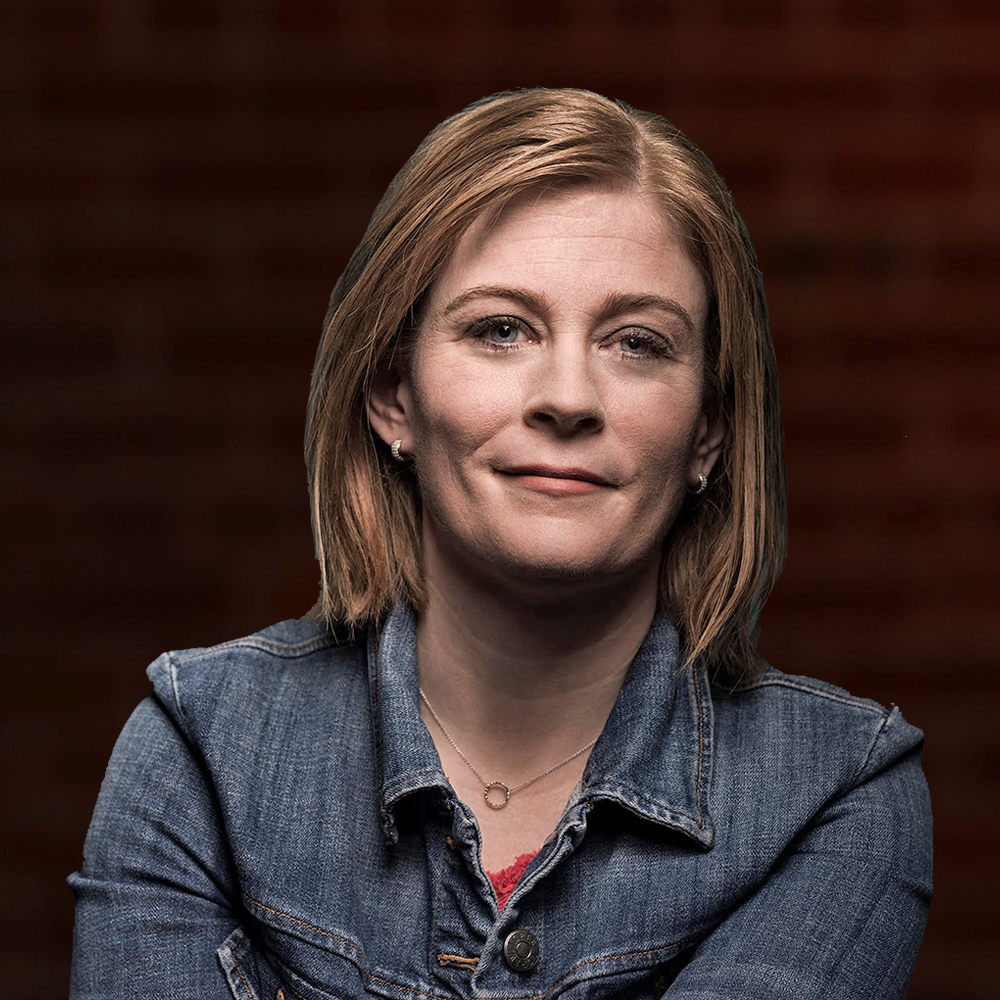
John Furrier & Lauren Cooney sit down with Dirk Hohndel, VP & Chief Open Source Officer, VMware | @_dirkhh at KubeCon + CloudNativeCon 2018 in Copenhagen, Denmark
#KubeCon #CloudNativeCon #theCUBE
https://siliconangle.com/2018/05/08/open-source-makes-software-engineering-a-social-phenomenon-kubecon/
Open source makes software engineering a social phenomenon
Open source has upended the secluded lives of the classic software engineer, with introverts now required to interact even more with the community as part of the job becomes increasingly people orientated.
“People think of [open source] as a software development methodology, and it is. But fundamentally it’s a social phenomenon. … [The] social aspect of this for an introvert like myself is at the same time a little scary, but also it’s super exciting because it is people who are driving this industry,” stated Dirk Hohndel (pictured), vice president and chief open source officer at VMware Inc.
Hohndel spoke with John Furrier (@furrier), host of theCUBE, SiliconANGLE Media’s mobile livestreaming studio, and guest host Lauren Cooney (@lcooney), founder and chief executive officer of Spark Labs Consulting LLC, during the KubeCon CloudNativeCon EU event in Copenhagen, Denmark. They discussed the social aspect of open source and the benefits of being a contributing member of an open-source community. (* Disclosure below.)
VMware is committed to open source
There are more than 7,000 software engineers employed by VMware, all of whom have an understanding of open source and its importance to the company, majority-owned by Dell Technologies Inc. Several hundred of those engineers engage with open source on a daily basis, and VMware has open-source components in every product it creates, according to Hohndel. In addition to evangelizing open source within the company, Hohndel has simplified the process for outside engineers to contribute to VMware projects.
“One of my big goals joining VMware was to remove friction out of this process and to encourage people to engage with the projects that are out there, but also for us to bring software into the open that we’ve developed, for example internal tools, and make them useful for other people,” he stated.
One of these tools allows external developers to request to contribute to an existing project, but Hohndel explained that while giving back is essential for a balanced open-source community, it does not mean being completely altruistic. “[Contributing] makes total business sense because if you have your private branches, your private patches, the next time the upstream project goes through a new release, you need to port these changes, [and] that costs money. So it’s actually cheaper to simply contribute them back and have them maintained by the project,” Hohndel said.
The key is joining open-source communities with the intention of learning something from the other members. “Then you can contribute the areas where you are strong, where you have your core knowledge. [If] you wrap this into a product that provides value for your customers, everyone wins,” Hohndel concluded.
Watch the complete video interview below, and be sure to check out more of SiliconANGLE’s and theCUBE’s coverage of KubeCon CloudNativeCon EU. (* Disclosure: Some segments are sponsored by the Cloud Native Computing Foundation to support editorial coverage. Neither the CNCF nor other sponsors have editorial control over content on theCUBE or SiliconANGLE.)
Forgot Password
Almost there!
We just sent you a verification email. Please verify your account to gain access to
KubeCon CloudNativeCon 2018 | Copenhagen. If you don’t think you received an email check your
spam folder.
Sign in to KubeCon CloudNativeCon 2018 | Copenhagen.
In order to sign in, enter the email address you used to registered for the event. Once completed, you will receive an email with a verification link. Open this link to automatically sign into the site.
Register For KubeCon CloudNativeCon 2018 | Copenhagen
Please fill out the information below. You will recieve an email with a verification link confirming your registration. Click the link to automatically sign into the site.
You’re almost there!
We just sent you a verification email. Please click the verification button in the email. Once your email address is verified, you will have full access to all event content for KubeCon CloudNativeCon 2018 | Copenhagen.
I want my badge and interests to be visible to all attendees.
Checking this box will display your presense on the attendees list, view your profile and allow other attendees to contact you via 1-1 chat. Read the Privacy Policy. At any time, you can choose to disable this preference.
Select your Interests!
add
Upload your photo
Uploading..
OR
Connect via Twitter
Connect via Linkedin
EDIT PASSWORD
Share
Forgot Password
Almost there!
We just sent you a verification email. Please verify your account to gain access to
KubeCon CloudNativeCon 2018 | Copenhagen. If you don’t think you received an email check your
spam folder.
Sign in to KubeCon CloudNativeCon 2018 | Copenhagen.
In order to sign in, enter the email address you used to registered for the event. Once completed, you will receive an email with a verification link. Open this link to automatically sign into the site.
Sign in to gain access to KubeCon CloudNativeCon 2018 | Copenhagen
Please sign in with LinkedIn to continue to KubeCon CloudNativeCon 2018 | Copenhagen. Signing in with LinkedIn ensures a professional environment.
Are you sure you want to remove access rights for this user?
Details
Manage Access
email address
Community Invitation
Dirk Hohndel, VMware | KubeCon + CloudNativeCon EU 2018
John Furrier & Lauren Cooney sit down with Dirk Hohndel, VP & Chief Open Source Officer, VMware | @_dirkhh at KubeCon + CloudNativeCon 2018 in Copenhagen, Denmark
#KubeCon #CloudNativeCon #theCUBE
https://siliconangle.com/2018/05/08/open-source-makes-software-engineering-a-social-phenomenon-kubecon/
Open source makes software engineering a social phenomenon
Open source has upended the secluded lives of the classic software engineer, with introverts now required to interact even more with the community as part of the job becomes increasingly people orientated.
“People think of [open source] as a software development methodology, and it is. But fundamentally it’s a social phenomenon. … [The] social aspect of this for an introvert like myself is at the same time a little scary, but also it’s super exciting because it is people who are driving this industry,” stated Dirk Hohndel (pictured), vice president and chief open source officer at VMware Inc.
Hohndel spoke with John Furrier (@furrier), host of theCUBE, SiliconANGLE Media’s mobile livestreaming studio, and guest host Lauren Cooney (@lcooney), founder and chief executive officer of Spark Labs Consulting LLC, during the KubeCon CloudNativeCon EU event in Copenhagen, Denmark. They discussed the social aspect of open source and the benefits of being a contributing member of an open-source community. (* Disclosure below.)
VMware is committed to open source
There are more than 7,000 software engineers employed by VMware, all of whom have an understanding of open source and its importance to the company, majority-owned by Dell Technologies Inc. Several hundred of those engineers engage with open source on a daily basis, and VMware has open-source components in every product it creates, according to Hohndel. In addition to evangelizing open source within the company, Hohndel has simplified the process for outside engineers to contribute to VMware projects.
“One of my big goals joining VMware was to remove friction out of this process and to encourage people to engage with the projects that are out there, but also for us to bring software into the open that we’ve developed, for example internal tools, and make them useful for other people,” he stated.
One of these tools allows external developers to request to contribute to an existing project, but Hohndel explained that while giving back is essential for a balanced open-source community, it does not mean being completely altruistic. “[Contributing] makes total business sense because if you have your private branches, your private patches, the next time the upstream project goes through a new release, you need to port these changes, [and] that costs money. So it’s actually cheaper to simply contribute them back and have them maintained by the project,” Hohndel said.
The key is joining open-source communities with the intention of learning something from the other members. “Then you can contribute the areas where you are strong, where you have your core knowledge. [If] you wrap this into a product that provides value for your customers, everyone wins,” Hohndel concluded.
Watch the complete video interview below, and be sure to check out more of SiliconANGLE’s and theCUBE’s coverage of KubeCon CloudNativeCon EU. (* Disclosure: Some segments are sponsored by the Cloud Native Computing Foundation to support editorial coverage. Neither the CNCF nor other sponsors have editorial control over content on theCUBE or SiliconANGLE.)