01. Jerry Held, Informatica and MemSQL, visits #theCUBE!. (00:18)
02. Real-Time Impact and the Abstraction Layer. (00:40)
03. InMemory, Engaging Systems Now, Ingestion and Analysis. (03:53)
04. The Tech that Has Most Impacted Real-Time Data. (08:11)
05. The Value of Data and the Role of CDO. (12:31)
06. The Innovation Layer and Focusing on Outcomes. (15:05)
07. The Relationship Between Business Solutions and Data Maturing. (16:48)
08. Data Philanthrophy Creating For Profit Companies for Social Good. (19:47)
Track List created with http://www.vinjavideo.com.
--- ---
Real-time streaming opens new Big Data possibilities | #infa16
by Nelson Williams | May 24, 2016
The business landscape has been reshaped by technology. One of the most striking examples of this trend is Big Data and Big Data analytics. Collecting, processing and using data isn’t just a thing business does, it’s the new core of business success.
Unfortunately, traditional systems for working with data have been cumbersome affairs that demanded a great deal of attention and focus. This is changing, with real-time streaming becoming the term for new Big Data success.
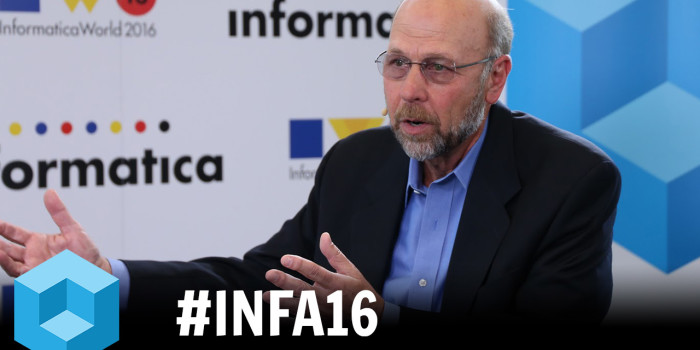
To gain some insight into this new world of real-time data, John Furrier (@furrier) and Peter Burris (@plburris), cohosts of theCUBE, from the SiliconANGLE Media team, visited the Informatica World 2016 conference in San Francisco. They spoke to Jerry Held, board member of Informatica Corp. and executive chairman of MemSQL, Inc.
Acting on real-time data
The conversation opened with a look at why real-time streaming was coming into its own right now. Held explained that before, people were focused on getting their operational systems up and running. Today, he said, we have all the operational systems nailed.
“The big change is the ability to act on data in the moment, and that’s hard,” he said.
Part of the impact is in what’s technically feasible, Held pointed
out. What’s possible now is that a company can ingest and analyze at the same time. This allows business people to think about entirely new things. Looking at every business, there will be major changes, he added.
Standard tools and the value of data
There’s been real time for a long time, Held said. The exciting thing now, he added, is there are standard tools coming along. The next thing to do, he explained, is a company needs to transform that data. “That’s where Informatica shines,” he said. “Instead of analyzing and storing, why not stream it in? If a business can analyze and ingest at the same time, why do things twice?”
Lots of people are talking about data as the most important asset of a business, according to Held. But the big issue is: How do you treat data as possibly the most important asset? “There’s so much data in the organization, they need an intelligent data platform that lets them know where the data is, allows the people who need it to get at it, and controls access to sensitive information,” he said.
A company wants to look at the business first, Held said, figure out what problems they want to solve, and then look for the data to support that. A company should drive their data opportunities by their business needs, he concluded.
Forgot Password
Almost there!
We just sent you a verification email. Please verify your account to gain access to
Informatica World 2016 | San Francisco. If you don’t think you received an email check your
spam folder.
Sign in to Informatica World 2016 | San Francisco.
In order to sign in, enter the email address you used to registered for the event. Once completed, you will receive an email with a verification link. Open this link to automatically sign into the site.
Register For Informatica World 2016 | San Francisco
Please fill out the information below. You will recieve an email with a verification link confirming your registration. Click the link to automatically sign into the site.
You’re almost there!
We just sent you a verification email. Please click the verification button in the email. Once your email address is verified, you will have full access to all event content for Informatica World 2016 | San Francisco.
I want my badge and interests to be visible to all attendees.
Checking this box will display your presense on the attendees list, view your profile and allow other attendees to contact you via 1-1 chat. Read the Privacy Policy. At any time, you can choose to disable this preference.
Select your Interests!
add
Upload your photo
Uploading..
OR
Connect via Twitter
Connect via Linkedin
EDIT PASSWORD
Share
Forgot Password
Almost there!
We just sent you a verification email. Please verify your account to gain access to
Informatica World 2016 | San Francisco. If you don’t think you received an email check your
spam folder.
Sign in to Informatica World 2016 | San Francisco.
In order to sign in, enter the email address you used to registered for the event. Once completed, you will receive an email with a verification link. Open this link to automatically sign into the site.
Sign in to gain access to Informatica World 2016 | San Francisco
Please sign in with LinkedIn to continue to Informatica World 2016 | San Francisco. Signing in with LinkedIn ensures a professional environment.
Are you sure you want to remove access rights for this user?
Details
Manage Access
email address
Community Invitation
Jerry Held, Informatica - #infa16 - #theCUBE
01. Jerry Held, Informatica and MemSQL, visits #theCUBE!. (00:18)
02. Real-Time Impact and the Abstraction Layer. (00:40)
03. InMemory, Engaging Systems Now, Ingestion and Analysis. (03:53)
04. The Tech that Has Most Impacted Real-Time Data. (08:11)
05. The Value of Data and the Role of CDO. (12:31)
06. The Innovation Layer and Focusing on Outcomes. (15:05)
07. The Relationship Between Business Solutions and Data Maturing. (16:48)
08. Data Philanthrophy Creating For Profit Companies for Social Good. (19:47)
Track List created with http://www.vinjavideo.com.
--- ---
Real-time streaming opens new Big Data possibilities | #infa16
by Nelson Williams | May 24, 2016
The business landscape has been reshaped by technology. One of the most striking examples of this trend is Big Data and Big Data analytics. Collecting, processing and using data isn’t just a thing business does, it’s the new core of business success.
Unfortunately, traditional systems for working with data have been cumbersome affairs that demanded a great deal of attention and focus. This is changing, with real-time streaming becoming the term for new Big Data success.
To gain some insight into this new world of real-time data, John Furrier (@furrier) and Peter Burris (@plburris), cohosts of theCUBE, from the SiliconANGLE Media team, visited the Informatica World 2016 conference in San Francisco. They spoke to Jerry Held, board member of Informatica Corp. and executive chairman of MemSQL, Inc.
Acting on real-time data
The conversation opened with a look at why real-time streaming was coming into its own right now. Held explained that before, people were focused on getting their operational systems up and running. Today, he said, we have all the operational systems nailed.
“The big change is the ability to act on data in the moment, and that’s hard,” he said.
Part of the impact is in what’s technically feasible, Held pointed
out. What’s possible now is that a company can ingest and analyze at the same time. This allows business people to think about entirely new things. Looking at every business, there will be major changes, he added.
Standard tools and the value of data
There’s been real time for a long time, Held said. The exciting thing now, he added, is there are standard tools coming along. The next thing to do, he explained, is a company needs to transform that data. “That’s where Informatica shines,” he said. “Instead of analyzing and storing, why not stream it in? If a business can analyze and ingest at the same time, why do things twice?”
Lots of people are talking about data as the most important asset of a business, according to Held. But the big issue is: How do you treat data as possibly the most important asset? “There’s so much data in the organization, they need an intelligent data platform that lets them know where the data is, allows the people who need it to get at it, and controls access to sensitive information,” he said.
A company wants to look at the business first, Held said, figure out what problems they want to solve, and then look for the data to support that. A company should drive their data opportunities by their business needs, he concluded.