01. Faisal Masud, Staples, Visits #theCUBE!. (00:19)
02. What Kind Of Statistics Do You Do In Terms Of Volume. (00:33)
03. Where Are You Guys In The Transformation To The Public Cloud. (01:24)
04. Talk About The Challenges Of Moving To The Public Cloud. (02:42)
05. Talk About Your Role At Staples And Generally. (03:07)
06. Is The Mobile Platform Predominately Consumer Base. (05:06)
07. How Did You Optomize The User Experience. (06:15)
08. Talk About The Role Of Graphic Artists. (07:49)
09. One And Done Won't Work In The Product Development. (09:01)
10. Tell Us The Easy Button And What Is The Role Of IBM. (09:46)
11. When Is This Complete Transformation Of How We Interact With The Easy Button. (11:52)
12. How Are You Training Watson. (13:23)
13. How Do People Digitize Their Business. (15:31)
14. How Does Microservices Translate To Short Wins. (17:11)
Track List created with http://www.vinjavideo.com.
--- ---
Cloud culture clash: The small steps to evolve big business | #ibmwow
by Brittany Greaner | Oct 25, 2016
Staples is one of the largest eCommerce businesses in the world, and it’s unique in that half of its customers are small-to-medium-sized businesses. While Staples is moving from the framework of the past to the cloud, it is also working to meet those customers where they are.
“Anything you want can be done in store or on our apps,” said Faisal Masud, chief digital officer at Staples Inc. “Although we have a large population that are businesses using the desktop to access our services, it’s flipped on mobile with more individuals,” he added.
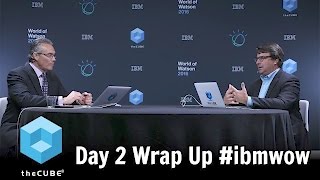
Masud was interviewed by Dave Vellante (@dvellante) and John Furrier (@furrier), hosts of theCUBE*, from the SiliconANGLE Media team, during IBM World of Watson 2016 in Las Vegas, NV.
Product management
Another effort of Masud’s has been shifting how project management is viewed. In the past, it has meant that after a project has been released, the team breaks up and responsibility for the maintenance turns to the IT department. Projects become very fractured, and an issue down the line can be very difficult to fix. The members of the team may have left the company without passing down key information about the project, or they could have been away from the project too long to simply drop back in and make adjustments.
To combat this, Staples now promotes product managers that stay on a project. There is a separate person monitoring the search engine, the checkout page and so on. Not only does this save time and money, but it also strengthens Staples’ offerings and keeps services stable.
How to create inertia
Changes like this don’t come overnight, however. “Changing culture is very hard because it’s institutionalized,” said Masud. He recommended that those entering the field develop very thick skin and not give up no matter how many times they are told no.
“When I first arrived, the whole homepage was static. We started adding automation, and there was immediately more engagement. Things like changing 14 clicks to check out to two to check out, halving the login times,” said Masud. Ultimately launching these microservices and listening to talent within the company created a lot of inertia that can be leveraged back into the business, he stated.
Forgot Password
Almost there!
We just sent you a verification email. Please verify your account to gain access to
IBM World of Watson 2016 | Las Vegas. If you don’t think you received an email check your
spam folder.
In order to sign in, enter the email address you used to registered for the event. Once completed, you will receive an email with a verification link. Open this link to automatically sign into the site.
Register For IBM World of Watson 2016 | Las Vegas
Please fill out the information below. You will recieve an email with a verification link confirming your registration. Click the link to automatically sign into the site.
You’re almost there!
We just sent you a verification email. Please click the verification button in the email. Once your email address is verified, you will have full access to all event content for IBM World of Watson 2016 | Las Vegas.
I want my badge and interests to be visible to all attendees.
Checking this box will display your presense on the attendees list, view your profile and allow other attendees to contact you via 1-1 chat. Read the Privacy Policy. At any time, you can choose to disable this preference.
Select your Interests!
add
Upload your photo
Uploading..
OR
Connect via Twitter
Connect via Linkedin
EDIT PASSWORD
Share
Forgot Password
Almost there!
We just sent you a verification email. Please verify your account to gain access to
IBM World of Watson 2016 | Las Vegas. If you don’t think you received an email check your
spam folder.
In order to sign in, enter the email address you used to registered for the event. Once completed, you will receive an email with a verification link. Open this link to automatically sign into the site.
Sign in to gain access to IBM World of Watson 2016 | Las Vegas
Please sign in with LinkedIn to continue to IBM World of Watson 2016 | Las Vegas. Signing in with LinkedIn ensures a professional environment.
Are you sure you want to remove access rights for this user?
Details
Manage Access
email address
Community Invitation
Faisal Masud, Staples - World of Watson 2016 #ibmwow #theCUBE
01. Faisal Masud, Staples, Visits #theCUBE!. (00:19)
02. What Kind Of Statistics Do You Do In Terms Of Volume. (00:33)
03. Where Are You Guys In The Transformation To The Public Cloud. (01:24)
04. Talk About The Challenges Of Moving To The Public Cloud. (02:42)
05. Talk About Your Role At Staples And Generally. (03:07)
06. Is The Mobile Platform Predominately Consumer Base. (05:06)
07. How Did You Optomize The User Experience. (06:15)
08. Talk About The Role Of Graphic Artists. (07:49)
09. One And Done Won't Work In The Product Development. (09:01)
10. Tell Us The Easy Button And What Is The Role Of IBM. (09:46)
11. When Is This Complete Transformation Of How We Interact With The Easy Button. (11:52)
12. How Are You Training Watson. (13:23)
13. How Do People Digitize Their Business. (15:31)
14. How Does Microservices Translate To Short Wins. (17:11)
Track List created with http://www.vinjavideo.com.
--- ---
Cloud culture clash: The small steps to evolve big business | #ibmwow
by Brittany Greaner | Oct 25, 2016
Staples is one of the largest eCommerce businesses in the world, and it’s unique in that half of its customers are small-to-medium-sized businesses. While Staples is moving from the framework of the past to the cloud, it is also working to meet those customers where they are.
“Anything you want can be done in store or on our apps,” said Faisal Masud, chief digital officer at Staples Inc. “Although we have a large population that are businesses using the desktop to access our services, it’s flipped on mobile with more individuals,” he added.
Masud was interviewed by Dave Vellante (@dvellante) and John Furrier (@furrier), hosts of theCUBE*, from the SiliconANGLE Media team, during IBM World of Watson 2016 in Las Vegas, NV.
Product management
Another effort of Masud’s has been shifting how project management is viewed. In the past, it has meant that after a project has been released, the team breaks up and responsibility for the maintenance turns to the IT department. Projects become very fractured, and an issue down the line can be very difficult to fix. The members of the team may have left the company without passing down key information about the project, or they could have been away from the project too long to simply drop back in and make adjustments.
To combat this, Staples now promotes product managers that stay on a project. There is a separate person monitoring the search engine, the checkout page and so on. Not only does this save time and money, but it also strengthens Staples’ offerings and keeps services stable.
How to create inertia
Changes like this don’t come overnight, however. “Changing culture is very hard because it’s institutionalized,” said Masud. He recommended that those entering the field develop very thick skin and not give up no matter how many times they are told no.
“When I first arrived, the whole homepage was static. We started adding automation, and there was immediately more engagement. Things like changing 14 clicks to check out to two to check out, halving the login times,” said Masud. Ultimately launching these microservices and listening to talent within the company created a lot of inertia that can be leveraged back into the business, he stated.