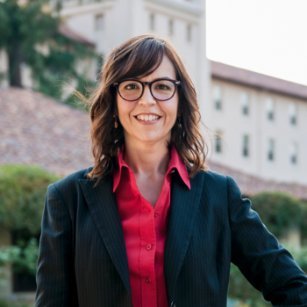
01. Shannon Vallor, Santa Clara University, visits #theCUBE!. (00:18)
02. AI and Social Justice: A New Dimension of Tech. (01:00)
03. What Does "Readiness" Mean?. (03:05)
04. Human Contexts and Connections. (05:06)
05. Catching Up with Technology. (08:30)
06. Next Generation Readiness. (11:30)
07. The Impact of Employment. (14:04)
08. Education and Public Policy. (16:36)
09. What Watson Is and Isn't. (19:40)
Track List created with http://www.vinjavideo.com.
--- ---
The ethics of AI and the need for technical education reform | #ibmwow
by Brittany Greaner | Oct 27, 2016
Most everyone agrees that advancements in the Internet of Things, artificial intelligence and the like will change the world. What people may not agree on is to what degree it should be regulated and what constitutes ethical practices. But these are necessary conversations in order to prepare for such an unknown future, said Shannon Vallor, associate professor of Philosophy at Santa Clara University.
“Readiness means starting now to think about the possibilities and putting systems in place that can respond to surprises,” she said. Vallor was interviewed by Dave Vellante (@dvellante) and John Furrier (@furrier), hosts of theCUBE*, from the SiliconANGLE Media team, during the IBM World of Watson event in Las Vegas, NV.
The future of employment
Besides impacting every profession, these advancements will change the field of employment entirely, according to Vallor. As many are struggling in the economy today, people are worried what will happen when machines start replacing even white-collar workers.
While the list of things humans can do that computers can’t is indeed growing smaller, artificial general intelligence is still a ways off, and there are certain areas that will be in demand in the future. “Creativity, inter-disciplinarity, social intelligence and moral wisdom will be the most important skills going forward,” said Vallor.
Education reform
But our education system is out of alignment with that future, Vallor pointed out.
“It requires a technical education that we don’t have the capacity provide. … The middle sector is the most impacted, and these new jobs involve a level of skill that we‘re not prepared to meet yet,” said Vallor.
However, only five years ago you’d have a tough time holding a conversation about ethics in Silicon Valley. That’s changed now, with companies realizing they have to build trust, she added. Education could make these shifts too, but it needs to soon.
As for Watson, Vallor said, “What I appreciate about Watson is that it is a technology that emphasizes how it amplifies us rather than replaces us. It helps us think better, do better, think more, do more.”
Forgot Password
Almost there!
We just sent you a verification email. Please verify your account to gain access to
IBM World of Watson 2016 | Las Vegas. If you don’t think you received an email check your
spam folder.
In order to sign in, enter the email address you used to registered for the event. Once completed, you will receive an email with a verification link. Open this link to automatically sign into the site.
Register For IBM World of Watson 2016 | Las Vegas
Please fill out the information below. You will recieve an email with a verification link confirming your registration. Click the link to automatically sign into the site.
You’re almost there!
We just sent you a verification email. Please click the verification button in the email. Once your email address is verified, you will have full access to all event content for IBM World of Watson 2016 | Las Vegas.
I want my badge and interests to be visible to all attendees.
Checking this box will display your presense on the attendees list, view your profile and allow other attendees to contact you via 1-1 chat. Read the Privacy Policy. At any time, you can choose to disable this preference.
Select your Interests!
add
Upload your photo
Uploading..
OR
Connect via Twitter
Connect via Linkedin
EDIT PASSWORD
Share
Forgot Password
Almost there!
We just sent you a verification email. Please verify your account to gain access to
IBM World of Watson 2016 | Las Vegas. If you don’t think you received an email check your
spam folder.
In order to sign in, enter the email address you used to registered for the event. Once completed, you will receive an email with a verification link. Open this link to automatically sign into the site.
Sign in to gain access to IBM World of Watson 2016 | Las Vegas
Please sign in with LinkedIn to continue to IBM World of Watson 2016 | Las Vegas. Signing in with LinkedIn ensures a professional environment.
Are you sure you want to remove access rights for this user?
Details
Manage Access
email address
Community Invitation
Shannon Vallor, Santa Clara University - World of Watson - #ibmwow - #theCUBE
01. Shannon Vallor, Santa Clara University, visits #theCUBE!. (00:18)
02. AI and Social Justice: A New Dimension of Tech. (01:00)
03. What Does "Readiness" Mean?. (03:05)
04. Human Contexts and Connections. (05:06)
05. Catching Up with Technology. (08:30)
06. Next Generation Readiness. (11:30)
07. The Impact of Employment. (14:04)
08. Education and Public Policy. (16:36)
09. What Watson Is and Isn't. (19:40)
Track List created with http://www.vinjavideo.com.
--- ---
The ethics of AI and the need for technical education reform | #ibmwow
by Brittany Greaner | Oct 27, 2016
Most everyone agrees that advancements in the Internet of Things, artificial intelligence and the like will change the world. What people may not agree on is to what degree it should be regulated and what constitutes ethical practices. But these are necessary conversations in order to prepare for such an unknown future, said Shannon Vallor, associate professor of Philosophy at Santa Clara University.
“Readiness means starting now to think about the possibilities and putting systems in place that can respond to surprises,” she said. Vallor was interviewed by Dave Vellante (@dvellante) and John Furrier (@furrier), hosts of theCUBE*, from the SiliconANGLE Media team, during the IBM World of Watson event in Las Vegas, NV.
The future of employment
Besides impacting every profession, these advancements will change the field of employment entirely, according to Vallor. As many are struggling in the economy today, people are worried what will happen when machines start replacing even white-collar workers.
While the list of things humans can do that computers can’t is indeed growing smaller, artificial general intelligence is still a ways off, and there are certain areas that will be in demand in the future. “Creativity, inter-disciplinarity, social intelligence and moral wisdom will be the most important skills going forward,” said Vallor.
Education reform
But our education system is out of alignment with that future, Vallor pointed out.
“It requires a technical education that we don’t have the capacity provide. … The middle sector is the most impacted, and these new jobs involve a level of skill that we‘re not prepared to meet yet,” said Vallor.
However, only five years ago you’d have a tough time holding a conversation about ethics in Silicon Valley. That’s changed now, with companies realizing they have to build trust, she added. Education could make these shifts too, but it needs to soon.
As for Watson, Vallor said, “What I appreciate about Watson is that it is a technology that emphasizes how it amplifies us rather than replaces us. It helps us think better, do better, think more, do more.”