Enhanced video at http://vinja.tv/M0HBmzsJ
01. Ryan Boyles, IBM, Visits #theCUBE. (00:30)
02. Social Media at IBM InterConnect. (00:46)
03. What Methods Did You Use to Create Such Popularity on Twitter?. (01:19)
04. The Value of Social Media For Business. (02:06)
05. What Are Some Social Media Trends You're Seeing in 2015?. (02:51)
06. What's Next for IBM's Social Media Campaign?. (04:23)
07. What Does "Join The Conversation" Mean To You?. (05:27)
Track List created with http://www.vinjavideo.com.
--- ---
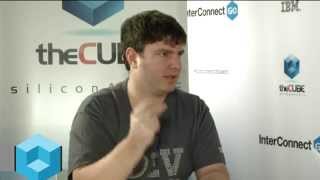
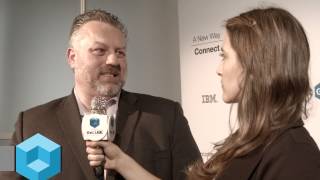
Ryan Boyles, Worldwide Digital Strategist & Content Marketing Lead, at IBM InterConnect 2015, inside the Social Lounge with Ariana Gradow.
@theCUBE
#IBMInterConnect
Docker Inc. is finally making its long-anticipated management technology available for download after three months of open-air incubation on GitHub. The launch marks another major step forward in the evolution of containers towards enterprise-readiness.
One of the biggest benefits that the lightweight virtualization model offers over the conventional hypervisors dominating the enterprise today is the ability to easily shuffle code and data across different types of infrastructure in standardized packages. But that interoperability only exists in theory for organizations with mission-critical applications.
In practice, the average business process takes a great deal of scaffolding to support that can’t simply migrate with the workload to another destination as part of the container. That logistical constraint also poses a lesser but no less significant challenge for developers in moving an application through the different stages of the project lifecycle.
The orchestration toolkit promises to close the loop on that manageability gap. It provides a unified way to handle a container from the time it’s created on a developer’s laptop to the final production rollout and every pit stop in between. The launch version offers several improvements over the original release from December that significantly broadens the range of supported use cases.
Docker Machine, the command line utility that handles bulk deployment and updating of containers across hosts, can now run on a dozen different platforms. The list includes OpenStack and the major public clouds as well as more surprising items like VMware’s OS X desktop hypervisor, which is a response to increasingly vocal demand for more operating system options than just Linux.
The same pressure had previously led the Docker to team up with Microsoft to bring its namesake technology to Windows, an effort that has already produced a native command line client. But although the journey of a container may start on the developer’s laptop, the startup’s ambition hardly end there.
That is evident in the update to the Docker Swarm, the clustering component, which has been extended to support three other schedulers besides Mesos including the hugely popular Kubernetes from Google and Amazon’s homegrown alternative. The enhancement provides that much more flexibility when it comes to scaling container clusters in the cloud.
Joining the new options is compatibility with the ZooKeeper coordination service for Hadoop. The data crunching platform was quietly updated to run on containers in November, a major opening that the update is meant to seize. It also targets other distributed applications with the addition of support for Consul, a similar technology that offers the same kind of capabilities for other distributed applications.
Another reason that the latter addition stands out is the fact that the framework is part of a another recently introduced orchestration suite that directly competes with Docker on many areas, which reinforces the startup’s much-touted policy of openness. But as important as it is, freedom of choice alone won’t bring containers into the enterprise. Much more progress is needed on the orchestration front to turn the paradigm into a viable alternative for traditional virtualization.
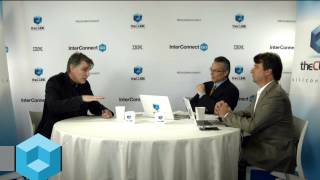
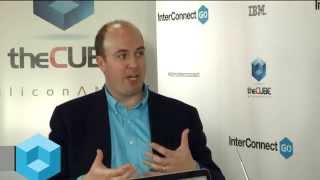
John Furrier and Dave Vellante spoke with Docker SVP of Product Scott Johnson at the recent industry event #IBMInterconnect speaking about the impact of Docker and it’s future
Forgot Password
Almost there!
We just sent you a verification email. Please verify your account to gain access to
IBM InterConnect 2015 | Las Vegas. If you don’t think you received an email check your
spam folder.
In order to sign in, enter the email address you used to registered for the event. Once completed, you will receive an email with a verification link. Open this link to automatically sign into the site.
Register For IBM InterConnect 2015 | Las Vegas
Please fill out the information below. You will recieve an email with a verification link confirming your registration. Click the link to automatically sign into the site.
You’re almost there!
We just sent you a verification email. Please click the verification button in the email. Once your email address is verified, you will have full access to all event content for IBM InterConnect 2015 | Las Vegas.
I want my badge and interests to be visible to all attendees.
Checking this box will display your presense on the attendees list, view your profile and allow other attendees to contact you via 1-1 chat. Read the Privacy Policy. At any time, you can choose to disable this preference.
Select your Interests!
add
Upload your photo
Uploading..
OR
Connect via Twitter
Connect via Linkedin
EDIT PASSWORD
Share
Forgot Password
Almost there!
We just sent you a verification email. Please verify your account to gain access to
IBM InterConnect 2015 | Las Vegas. If you don’t think you received an email check your
spam folder.
In order to sign in, enter the email address you used to registered for the event. Once completed, you will receive an email with a verification link. Open this link to automatically sign into the site.
Sign in to gain access to IBM InterConnect 2015 | Las Vegas
Please sign in with LinkedIn to continue to IBM InterConnect 2015 | Las Vegas. Signing in with LinkedIn ensures a professional environment.
Are you sure you want to remove access rights for this user?
Details
Manage Access
email address
Community Invitation
Ryan Boyles - IBM InterConnect 2015 - theCUBE
Enhanced video at http://vinja.tv/M0HBmzsJ
01. Ryan Boyles, IBM, Visits #theCUBE. (00:30)
02. Social Media at IBM InterConnect. (00:46)
03. What Methods Did You Use to Create Such Popularity on Twitter?. (01:19)
04. The Value of Social Media For Business. (02:06)
05. What Are Some Social Media Trends You're Seeing in 2015?. (02:51)
06. What's Next for IBM's Social Media Campaign?. (04:23)
07. What Does "Join The Conversation" Mean To You?. (05:27)
Track List created with http://www.vinjavideo.com.
--- ---
Ryan Boyles, Worldwide Digital Strategist & Content Marketing Lead, at IBM InterConnect 2015, inside the Social Lounge with Ariana Gradow.
@theCUBE
#IBMInterConnect
Docker Inc. is finally making its long-anticipated management technology available for download after three months of open-air incubation on GitHub. The launch marks another major step forward in the evolution of containers towards enterprise-readiness.
One of the biggest benefits that the lightweight virtualization model offers over the conventional hypervisors dominating the enterprise today is the ability to easily shuffle code and data across different types of infrastructure in standardized packages. But that interoperability only exists in theory for organizations with mission-critical applications.
In practice, the average business process takes a great deal of scaffolding to support that can’t simply migrate with the workload to another destination as part of the container. That logistical constraint also poses a lesser but no less significant challenge for developers in moving an application through the different stages of the project lifecycle.
The orchestration toolkit promises to close the loop on that manageability gap. It provides a unified way to handle a container from the time it’s created on a developer’s laptop to the final production rollout and every pit stop in between. The launch version offers several improvements over the original release from December that significantly broadens the range of supported use cases.
Docker Machine, the command line utility that handles bulk deployment and updating of containers across hosts, can now run on a dozen different platforms. The list includes OpenStack and the major public clouds as well as more surprising items like VMware’s OS X desktop hypervisor, which is a response to increasingly vocal demand for more operating system options than just Linux.
The same pressure had previously led the Docker to team up with Microsoft to bring its namesake technology to Windows, an effort that has already produced a native command line client. But although the journey of a container may start on the developer’s laptop, the startup’s ambition hardly end there.
That is evident in the update to the Docker Swarm, the clustering component, which has been extended to support three other schedulers besides Mesos including the hugely popular Kubernetes from Google and Amazon’s homegrown alternative. The enhancement provides that much more flexibility when it comes to scaling container clusters in the cloud.
Joining the new options is compatibility with the ZooKeeper coordination service for Hadoop. The data crunching platform was quietly updated to run on containers in November, a major opening that the update is meant to seize. It also targets other distributed applications with the addition of support for Consul, a similar technology that offers the same kind of capabilities for other distributed applications.
Another reason that the latter addition stands out is the fact that the framework is part of a another recently introduced orchestration suite that directly competes with Docker on many areas, which reinforces the startup’s much-touted policy of openness. But as important as it is, freedom of choice alone won’t bring containers into the enterprise. Much more progress is needed on the orchestration front to turn the paradigm into a viable alternative for traditional virtualization.
John Furrier and Dave Vellante spoke with Docker SVP of Product Scott Johnson at the recent industry event #IBMInterconnect speaking about the impact of Docker and it’s future