Abe Asfaw, Global Lead, Quantum Education and Open Science, IBM sit down with Dave Vellante for IBM Think 2020.
#Think2020 #theCUBE
https://siliconangle.com/2020/05/06/quantum-computing-future-just-years-away-ibm-says-yes-think2020/
Quantum computing still a few years away, but learn it now, says IBM
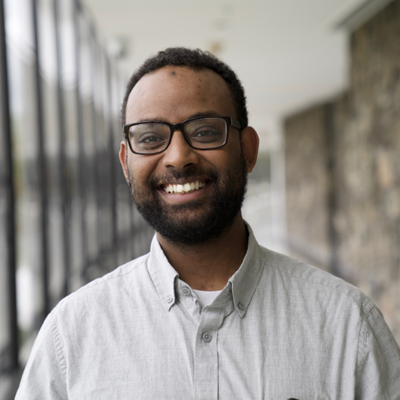
IBM predicts the tech industry will have to wait a few more years for mainstream application of quantum computers. But any organization wanting to learn about it now has many opportunities to do so, according to Abe Asfaw (pictured), global lead of quantum education at IBM Quantum, which aims to advance foundational quantum-computing research.
So how is this technology developing into a market, and how can organizations learn and prepare for a quantum computing future?
“This is one of the things that I am very passionate about,” Asfaw said. “It’s also my job to make sure that anyone can learn about quantum computing today. Hopefully, it is my life’s mission to enable enough people to learn quantum such that it happens within my lifetime.”
Asfaw spoke with Dave Vellante, host of theCUBE, SiliconANGLE Media’s mobile livestreaming studio, during the IBM Think Digital Event Experience. They discussed the development of quantum computing and how organizations can continue to delve into this fascinating technological advancement. (* Disclosure below.)
Learning and exploring quantum computing now, for the future
While it is very important to keep in mind that quantum computers are a fairly young technology, there have been dramatic improvements in the technology over the years, according to Asfaw. Just a few years ago, Asfaw attended graduate school and earned a Ph.D. to learn quantum computing because he needed access to a lab. But in 2016, IBM put a quantum computer on the cloud with its IBM Quantum Experience, and this dramatically changed the field, allowing anyone in the world with an internet connection to access and learn to program a quantum computer.
Recently, Asfaw has been teaching organizations quantum computing through Qiskit, which helps leverage today’s quantum processors in research, education and business.
“You need to be familiar with any programming language,” Asfaw said. “[And then] simply having the ability to learn something new, simply being excited about this field. Once you have those two together, you can learn quantum computing very quickly within a few months.”
Most of the work in quantum today is focused on understanding how to take problems and mapping them onto a quantum computer so that they can get solved, Asfaw pointed out. Various industries, including education, are currently exploring problem solving using quantum computer. In chemistry labs, for instance, scientists are learning how to simulate molecules using quantum computers.
“As someone with a physics background, for me the exciting thing to see here is also how people are using these quantum computers, which fundamentally are taking advantage of quantum mechanics to simulate other quantum systems — so to understand nature better by using nature itself,” Asfaw said. “So this is another exciting progress that we’re seeing in the field … both from industry and from educational and science purposes.”
Even though there’s a ways to go with quantum computers, the progress of the technology shouldn’t be underestimated, according to Asfaw. “Improvements in the software, along with improvements in the quantum technology itself, will be how we get to success,” he said.
Here’s the complete video interview, part of SiliconANGLE’s and theCUBE’s coverage of the IBM Think Digital Event Experience. (* Disclosure: TheCUBE is a paid media partner for the IBM Think Digital Event Experience. Neither IBM, the sponsor for theCUBE’s event coverage, nor other sponsors have editorial control over content on theCUBE or SiliconANGLE.)
Forgot Password
Almost there!
We just sent you a verification email. Please verify your account to gain access to
IBM Think 2020 | Digital. If you don’t think you received an email check your
spam folder.
In order to sign in, enter the email address you used to registered for the event. Once completed, you will receive an email with a verification link. Open this link to automatically sign into the site.
Register For IBM Think 2020 | Digital
Please fill out the information below. You will recieve an email with a verification link confirming your registration. Click the link to automatically sign into the site.
You’re almost there!
We just sent you a verification email. Please click the verification button in the email. Once your email address is verified, you will have full access to all event content for IBM Think 2020 | Digital.
I want my badge and interests to be visible to all attendees.
Checking this box will display your presense on the attendees list, view your profile and allow other attendees to contact you via 1-1 chat. Read the Privacy Policy. At any time, you can choose to disable this preference.
Select your Interests!
add
Upload your photo
Uploading..
OR
Connect via Twitter
Connect via Linkedin
EDIT PASSWORD
Share
Forgot Password
Almost there!
We just sent you a verification email. Please verify your account to gain access to
IBM Think 2020 | Digital. If you don’t think you received an email check your
spam folder.
In order to sign in, enter the email address you used to registered for the event. Once completed, you will receive an email with a verification link. Open this link to automatically sign into the site.
Sign in to gain access to IBM Think 2020 | Digital
Please sign in with LinkedIn to continue to IBM Think 2020 | Digital. Signing in with LinkedIn ensures a professional environment.
Are you sure you want to remove access rights for this user?
Details
Manage Access
email address
Community Invitation
Abe Asfaw, IBM | IBM Think 2020
Abe Asfaw, Global Lead, Quantum Education and Open Science, IBM sit down with Dave Vellante for IBM Think 2020.
#Think2020 #theCUBE
https://siliconangle.com/2020/05/06/quantum-computing-future-just-years-away-ibm-says-yes-think2020/
Quantum computing still a few years away, but learn it now, says IBM
IBM predicts the tech industry will have to wait a few more years for mainstream application of quantum computers. But any organization wanting to learn about it now has many opportunities to do so, according to Abe Asfaw (pictured), global lead of quantum education at IBM Quantum, which aims to advance foundational quantum-computing research.
So how is this technology developing into a market, and how can organizations learn and prepare for a quantum computing future?
“This is one of the things that I am very passionate about,” Asfaw said. “It’s also my job to make sure that anyone can learn about quantum computing today. Hopefully, it is my life’s mission to enable enough people to learn quantum such that it happens within my lifetime.”
Asfaw spoke with Dave Vellante, host of theCUBE, SiliconANGLE Media’s mobile livestreaming studio, during the IBM Think Digital Event Experience. They discussed the development of quantum computing and how organizations can continue to delve into this fascinating technological advancement. (* Disclosure below.)
Learning and exploring quantum computing now, for the future
While it is very important to keep in mind that quantum computers are a fairly young technology, there have been dramatic improvements in the technology over the years, according to Asfaw. Just a few years ago, Asfaw attended graduate school and earned a Ph.D. to learn quantum computing because he needed access to a lab. But in 2016, IBM put a quantum computer on the cloud with its IBM Quantum Experience, and this dramatically changed the field, allowing anyone in the world with an internet connection to access and learn to program a quantum computer.
Recently, Asfaw has been teaching organizations quantum computing through Qiskit, which helps leverage today’s quantum processors in research, education and business.
“You need to be familiar with any programming language,” Asfaw said. “[And then] simply having the ability to learn something new, simply being excited about this field. Once you have those two together, you can learn quantum computing very quickly within a few months.”
Most of the work in quantum today is focused on understanding how to take problems and mapping them onto a quantum computer so that they can get solved, Asfaw pointed out. Various industries, including education, are currently exploring problem solving using quantum computer. In chemistry labs, for instance, scientists are learning how to simulate molecules using quantum computers.
“As someone with a physics background, for me the exciting thing to see here is also how people are using these quantum computers, which fundamentally are taking advantage of quantum mechanics to simulate other quantum systems — so to understand nature better by using nature itself,” Asfaw said. “So this is another exciting progress that we’re seeing in the field … both from industry and from educational and science purposes.”
Even though there’s a ways to go with quantum computers, the progress of the technology shouldn’t be underestimated, according to Asfaw. “Improvements in the software, along with improvements in the quantum technology itself, will be how we get to success,” he said.
Here’s the complete video interview, part of SiliconANGLE’s and theCUBE’s coverage of the IBM Think Digital Event Experience. (* Disclosure: TheCUBE is a paid media partner for the IBM Think Digital Event Experience. Neither IBM, the sponsor for theCUBE’s event coverage, nor other sponsors have editorial control over content on theCUBE or SiliconANGLE.)