01. Bill Mannel, HPE, visits #theCUBE!. (00:18)
02. Dr. Eng Lim Goh, SGI, visits #theCUBE!. (00:44)
03. The Logic Behind the HPE Acquisition of SGI. (01:00)
04. The Background and Architecture of SGI. (01:27)
05. The Apollo Overlap with SGI. (03:19)
06. Industries Targeted by HPE. (04:25)
07. HPC Market Growth and the HPE/SGI Business Strategy. (05:13)
08. HPE Enabling SGI to Bid for Larger Contracts. (07:14)
09. Reasons for the Return of HPC. (09:24)
10. HPE's New Machine: A Breakthrough Technology. (12:06)
11. GPUs as an Architectural Component of Super Computers. (14:47)
12. The Role of Public Sector/Defense in the Market. (16:00)
13. The Integration Timeline for HPE and SGI. (16:50)
Track List created with http://www.vinjavideo.com.
--- ---
Meshing the high-performance compute power of SGI with HPE’s strong portfolio | #HPEDiscover
by BEV TERRELL
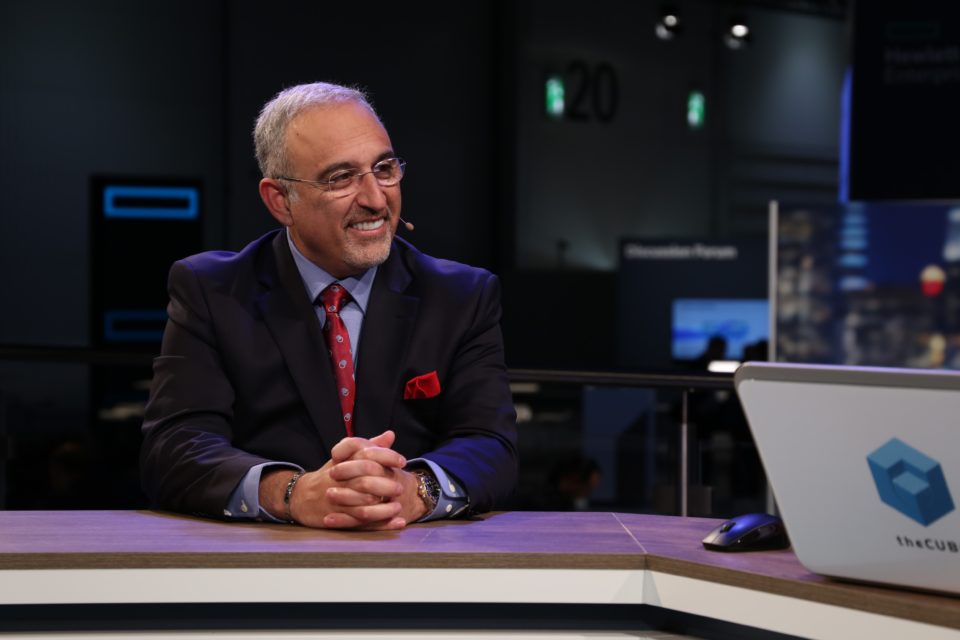
The recent acquisition of SGI gives HPE a view into high-end, specialized supercomputing markets. While it has been in the High-Performance Compute space before, with Apollo, SGI gives HPE a big boost into the arena, according to Bill Mannel, VP and GM, high-performance computing and big data, at Hewlett Packard Enterprise Co.
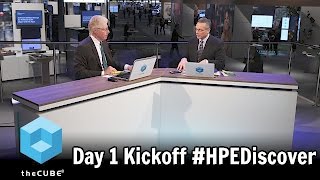
Mannel and Eng Lim Goh, PhD, senior VP and CTO of Silicon Graphics International Corp. (SGI), joined Dave Vellante (@dvellante) and Paul Gillin (@pgillin), co-hosts of theCUBE*, from the SiliconANGLE Media team, during HPE Discover EU, held in London. (*Disclosure below) They discussed what the merger means to both companies, as well as how it gives access to some of the top HPC bids.
The merger and what it means for HPC
Mannel and Goh explained how the match between SGI and HPE is a good one, as much of the technologies between the two companies are complementary. “We felt it was a good fit for HPE to advance in both high-performance computing and mission-critical areas,” said Mannel. He also explained that HPE’s existing HPC system, Apollo, is focused more on the commercial space, whereas SGI is focused on the public sector, such as research and life sciences. In many ways, the portfolios of both companies mesh well.
Goh said that SGI’s two main products — ICE (fifth-generation supercomputing) and UV (a first-generation mission-critical memory system) — will be carried over into the HPE product line, integrating SGI into the overall continuum of HPE’s product offerings. In particular, “UV’s scale-up architecture will be incorporated for SAP HANA,” said Goh.
Time to bid for the ‘big boys’ of HPC
Gillin asked if there were markets SGI couldn’t approach as an independent company, for lack of resources, but now they can as part of HPE?
“Our biggest machine today is NASA’s, at number 13 on the list [of the top 500 HPCs]. … We’ve been given opportunities to bid for the top 10, and there are times, [because of] the financial [resources] of our small company, we decided not to bid,” Goh said.
He went on to explain while that wasn’t usually the only reason, it was certainly one of the reasons. With this acquisition, as part of a bigger organization, with stronger financial resources, the top 10 is now within reach, he added.
Forgot Password
Almost there!
We just sent you a verification email. Please verify your account to gain access to
HPE Discover 2016 | London. If you don’t think you received an email check your
spam folder.
In order to sign in, enter the email address you used to registered for the event. Once completed, you will receive an email with a verification link. Open this link to automatically sign into the site.
Register For HPE Discover 2016 | London
Please fill out the information below. You will recieve an email with a verification link confirming your registration. Click the link to automatically sign into the site.
You’re almost there!
We just sent you a verification email. Please click the verification button in the email. Once your email address is verified, you will have full access to all event content for HPE Discover 2016 | London.
I want my badge and interests to be visible to all attendees.
Checking this box will display your presense on the attendees list, view your profile and allow other attendees to contact you via 1-1 chat. Read the Privacy Policy. At any time, you can choose to disable this preference.
Select your Interests!
add
Upload your photo
Uploading..
OR
Connect via Twitter
Connect via Linkedin
EDIT PASSWORD
Share
Forgot Password
Almost there!
We just sent you a verification email. Please verify your account to gain access to
HPE Discover 2016 | London. If you don’t think you received an email check your
spam folder.
In order to sign in, enter the email address you used to registered for the event. Once completed, you will receive an email with a verification link. Open this link to automatically sign into the site.
Sign in to gain access to HPE Discover 2016 | London
Please sign in with LinkedIn to continue to HPE Discover 2016 | London. Signing in with LinkedIn ensures a professional environment.
Are you sure you want to remove access rights for this user?
Details
Manage Access
email address
Community Invitation
Bill Mannel, HPE & Dr. Eng Lim GoH, SGI - #HPEdiscover - #theCUBE
01. Bill Mannel, HPE, visits #theCUBE!. (00:18)
02. Dr. Eng Lim Goh, SGI, visits #theCUBE!. (00:44)
03. The Logic Behind the HPE Acquisition of SGI. (01:00)
04. The Background and Architecture of SGI. (01:27)
05. The Apollo Overlap with SGI. (03:19)
06. Industries Targeted by HPE. (04:25)
07. HPC Market Growth and the HPE/SGI Business Strategy. (05:13)
08. HPE Enabling SGI to Bid for Larger Contracts. (07:14)
09. Reasons for the Return of HPC. (09:24)
10. HPE's New Machine: A Breakthrough Technology. (12:06)
11. GPUs as an Architectural Component of Super Computers. (14:47)
12. The Role of Public Sector/Defense in the Market. (16:00)
13. The Integration Timeline for HPE and SGI. (16:50)
Track List created with http://www.vinjavideo.com.
--- ---
Meshing the high-performance compute power of SGI with HPE’s strong portfolio | #HPEDiscover
by BEV TERRELL
The recent acquisition of SGI gives HPE a view into high-end, specialized supercomputing markets. While it has been in the High-Performance Compute space before, with Apollo, SGI gives HPE a big boost into the arena, according to Bill Mannel, VP and GM, high-performance computing and big data, at Hewlett Packard Enterprise Co.
Mannel and Eng Lim Goh, PhD, senior VP and CTO of Silicon Graphics International Corp. (SGI), joined Dave Vellante (@dvellante) and Paul Gillin (@pgillin), co-hosts of theCUBE*, from the SiliconANGLE Media team, during HPE Discover EU, held in London. (*Disclosure below) They discussed what the merger means to both companies, as well as how it gives access to some of the top HPC bids.
The merger and what it means for HPC
Mannel and Goh explained how the match between SGI and HPE is a good one, as much of the technologies between the two companies are complementary. “We felt it was a good fit for HPE to advance in both high-performance computing and mission-critical areas,” said Mannel. He also explained that HPE’s existing HPC system, Apollo, is focused more on the commercial space, whereas SGI is focused on the public sector, such as research and life sciences. In many ways, the portfolios of both companies mesh well.
Goh said that SGI’s two main products — ICE (fifth-generation supercomputing) and UV (a first-generation mission-critical memory system) — will be carried over into the HPE product line, integrating SGI into the overall continuum of HPE’s product offerings. In particular, “UV’s scale-up architecture will be incorporated for SAP HANA,” said Goh.
Time to bid for the ‘big boys’ of HPC
Gillin asked if there were markets SGI couldn’t approach as an independent company, for lack of resources, but now they can as part of HPE?
“Our biggest machine today is NASA’s, at number 13 on the list [of the top 500 HPCs]. … We’ve been given opportunities to bid for the top 10, and there are times, [because of] the financial [resources] of our small company, we decided not to bid,” Goh said.
He went on to explain while that wasn’t usually the only reason, it was certainly one of the reasons. With this acquisition, as part of a bigger organization, with stronger financial resources, the top 10 is now within reach, he added.