01. Bart Huengens, BITCON, visits #theCUBE!. (00:18)
02. Phill Sellers, Techazine.com, visits #theCUBE!. (00:34)
03. The State of IT Today: Doing More with Less. (01:12)
04. The Cloud is Not Always the Answer to Your Problem. (01:56)
05. Digital Transformation vs. Modernization. (03:40)
06. Composable Infrastructure Appeal in Various Market Segments. (05:58)
07. Unpacking "Simple" IT. (08:57)
08. Infrastructure as Code: More Hype than Reality. (11:17)
09. The HPE/SUSE Partnership. (13:24)
10. HPE Heading in the Right Direction?. (14:38)
Track List created with http://www.vinjavideo.com.
--- ---
Doing more with less: supporting realism in the new IT age | #HPEDiscover
by GABRIEL PESEK
The enthusiasm of a vendor for its product is an essential part of success, and there are few places that becomes as apparent as at company-specific conventions and conferences. But consumer reactions are at least as important, making the presence of outsider analysts at such gatherings a healthy piece of presentational balance.
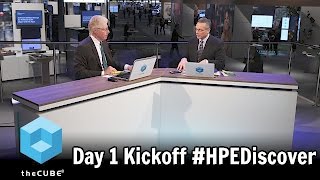
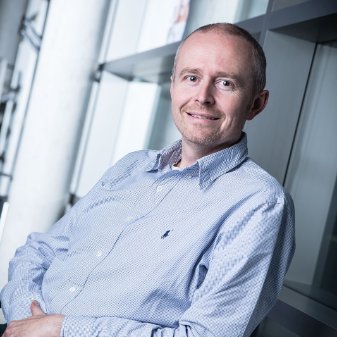
At the HPE Discover EU event in London, Bart Heungens, solution architect and owner of BITCON, and Phil Sellers, system engineer and blogger for Techazine.com, sat down with Dave Vellante (@dvellante) and Paul Gillin (@pgillin), co-hosts of theCUBE*, from the SiliconANGLE Media team, to discuss their perspectives on a number of modern IT aspects. (*Disclosure below)
Realism in IT
The initial point of consideration was the IT world at large, and how it’s “really been about doing more with less” for the past few years, Sellers said, with automation freeing people up “to do better, more valuable sorts of activities,” including innovation and significant reworking of their IT operations.
Heungens emphasized the need for realism for IT these days, noting, “If you follow marketing, everything is possible, and if you have an IT problem, put it in the cloud and your problems are solved.” While that does sometimes happen, he said, it’s clearly not applicable to everything, and companies may hurt themselves by jumping into the cloud before they’re even familiar with virtualization. And the same risks and misperceptions are emerging in the “hybrid IT” concept, he added.
Moving on to the idea of digital transformation, that same need for realism was reiterated by both guests. “I think that there’s a nugget of truth [to it],” Sellers said. “It’s a good marketing buzzword, but really what it comes down to is modernization of applications. It’s adapting to a new way of doing things at scale, writing applications that are easily deployed and automated,” he continued, noting the appeal to companies in ideas of “disruption and disruptive technologies.”
Infrastructural confidence
Examining composable architecture/infrastructure, both Heungens and Sellers saw it as a reality, but also as something more for the larger companies. According to Sellers, it “has a lot less resonance in the mid-market,” and Heungens noted that no matter how simple the user interface for cloud or other data management is made, “You still need some kind of expert people to support the infrastructure.”
Heungens also discussed companies wanting to go to composable just to be cutting-edge, without considering how it fits into their existing needs or how those could be met with alternatives such as hyper-converged, comparing their eagerness to an attempt at running a marathon before learning how to run.
And on the idea of infrastructure as code, there was some tempered enthusiasm. “It is a little bit of hype,” Sellers said. “But there’s also a ramp needed for infrastructure as code, and HPE’s done a lot of really good things around that with their OneView product and being able to call into it using an API and stuff like that.” In his assessment, one of the biggest current problems for it is that “each vendor having their own flavor makes it more difficult to support.”
As the interview came to a close, assessment of HPE itself was put on the table. While the company has undergone a number of big changes in the past year, both Heungens and Sellers felt it was still in strong shape, having retained the important holdings. “The assets that are left inside [HPE] are good assets, from a data center infrastructure standpoint,” Sellers concluded.
Forgot Password
Almost there!
We just sent you a verification email. Please verify your account to gain access to
HPE Discover 2016 | London. If you don’t think you received an email check your
spam folder.
In order to sign in, enter the email address you used to registered for the event. Once completed, you will receive an email with a verification link. Open this link to automatically sign into the site.
Register For HPE Discover 2016 | London
Please fill out the information below. You will recieve an email with a verification link confirming your registration. Click the link to automatically sign into the site.
You’re almost there!
We just sent you a verification email. Please click the verification button in the email. Once your email address is verified, you will have full access to all event content for HPE Discover 2016 | London.
I want my badge and interests to be visible to all attendees.
Checking this box will display your presense on the attendees list, view your profile and allow other attendees to contact you via 1-1 chat. Read the Privacy Policy. At any time, you can choose to disable this preference.
Select your Interests!
add
Upload your photo
Uploading..
OR
Connect via Twitter
Connect via Linkedin
EDIT PASSWORD
Share
Forgot Password
Almost there!
We just sent you a verification email. Please verify your account to gain access to
HPE Discover 2016 | London. If you don’t think you received an email check your
spam folder.
In order to sign in, enter the email address you used to registered for the event. Once completed, you will receive an email with a verification link. Open this link to automatically sign into the site.
Sign in to gain access to HPE Discover 2016 | London
Please sign in with LinkedIn to continue to HPE Discover 2016 | London. Signing in with LinkedIn ensures a professional environment.
01. Bart Huengens, BITCON, visits #theCUBE!. (00:18)
02. Phill Sellers, Techazine.com, visits #theCUBE!. (00:34)
03. The State of IT Today: Doing More with Less. (01:12)
04. The Cloud is Not Always the Answer to Your Problem. (01:56)
05. Digital Transformation vs. Modernization. (03:40)
06. Composable Infrastructure Appeal in Various Market Segments. (05:58)
07. Unpacking "Simple" IT. (08:57)
08. Infrastructure as Code: More Hype than Reality. (11:17)
09. The HPE/SUSE Partnership. (13:24)
10. HPE Heading in the Right Direction?. (14:38)
Track List created with http://www.vinjavideo.com.
--- ---
Doing more with less: supporting realism in the new IT age | #HPEDiscover
by GABRIEL PESEK
The enthusiasm of a vendor for its product is an essential part of success, and there are few places that becomes as apparent as at company-specific conventions and conferences. But consumer reactions are at least as important, making the presence of outsider analysts at such gatherings a healthy piece of presentational balance.
At the HPE Discover EU event in London, Bart Heungens, solution architect and owner of BITCON, and Phil Sellers, system engineer and blogger for Techazine.com, sat down with Dave Vellante (@dvellante) and Paul Gillin (@pgillin), co-hosts of theCUBE*, from the SiliconANGLE Media team, to discuss their perspectives on a number of modern IT aspects. (*Disclosure below)
Realism in IT
The initial point of consideration was the IT world at large, and how it’s “really been about doing more with less” for the past few years, Sellers said, with automation freeing people up “to do better, more valuable sorts of activities,” including innovation and significant reworking of their IT operations.
Heungens emphasized the need for realism for IT these days, noting, “If you follow marketing, everything is possible, and if you have an IT problem, put it in the cloud and your problems are solved.” While that does sometimes happen, he said, it’s clearly not applicable to everything, and companies may hurt themselves by jumping into the cloud before they’re even familiar with virtualization. And the same risks and misperceptions are emerging in the “hybrid IT” concept, he added.
Moving on to the idea of digital transformation, that same need for realism was reiterated by both guests. “I think that there’s a nugget of truth [to it],” Sellers said. “It’s a good marketing buzzword, but really what it comes down to is modernization of applications. It’s adapting to a new way of doing things at scale, writing applications that are easily deployed and automated,” he continued, noting the appeal to companies in ideas of “disruption and disruptive technologies.”
Infrastructural confidence
Examining composable architecture/infrastructure, both Heungens and Sellers saw it as a reality, but also as something more for the larger companies. According to Sellers, it “has a lot less resonance in the mid-market,” and Heungens noted that no matter how simple the user interface for cloud or other data management is made, “You still need some kind of expert people to support the infrastructure.”
Heungens also discussed companies wanting to go to composable just to be cutting-edge, without considering how it fits into their existing needs or how those could be met with alternatives such as hyper-converged, comparing their eagerness to an attempt at running a marathon before learning how to run.
And on the idea of infrastructure as code, there was some tempered enthusiasm. “It is a little bit of hype,” Sellers said. “But there’s also a ramp needed for infrastructure as code, and HPE’s done a lot of really good things around that with their OneView product and being able to call into it using an API and stuff like that.” In his assessment, one of the biggest current problems for it is that “each vendor having their own flavor makes it more difficult to support.”
As the interview came to a close, assessment of HPE itself was put on the table. While the company has undergone a number of big changes in the past year, both Heungens and Sellers felt it was still in strong shape, having retained the important holdings. “The assets that are left inside [HPE] are good assets, from a data center infrastructure standpoint,” Sellers concluded.