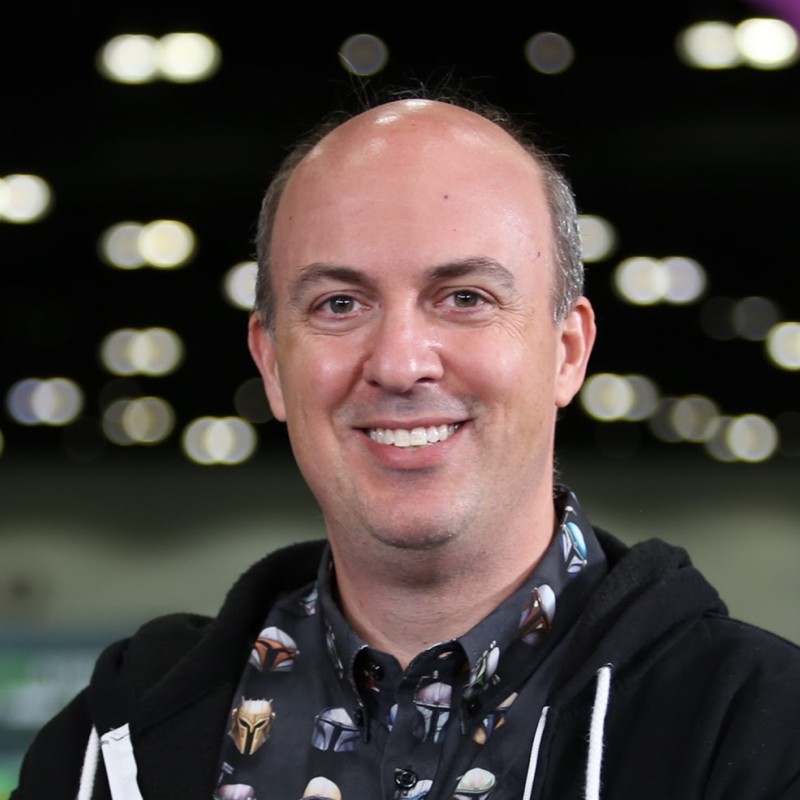
Wrap-Up - HP Moonshot 2013, with John Furrier hosts the analysis of Dave Vellante, and Stu Miniman of Wikibon.
SiliconAngle founding CEO John Furrier and Wikibon's Dave Vellante and Stu Miniman provided their breaking analysis on the debut of Hewlett-Packard's first Moonshot product, an ultra-efficient box poised to disrupt today's propriety server paradigm. In the first part of the discussion, Furrier and Vellante go over this morning's announcement and explain what the launch means for HP in particular and the industry as a whole.
Vellante starts by saying that Moonshot is meant to kill two birds with one stone: the vendor is banking on the project to both help it gain share in the traditional IT market, and pave the way for its entry into the rapidly growing hyperscale space. Furrier throws in his take on the story by pointing out that Moonshot has the potential to only help HP reach this goal, but also change the way IT professionals do their jobs.
Vellante brings up the fact that the first iteration of Moonshot is based on Intel Atom processors, which is surprising to say the least. He says that this allows the server to fit into the x86 ecosystem, but adds that the real news is the built-in support for alternate architectures.
"HP is announcing that it will have future versions of its platform that will accommodate things like Calxeda, ARM-based processors and Texas Instruments [processors] as a part of the announcement. They're using a page out of the Facebook Open Compute platform, using this notion of cartridges where you can have a multi-personality server and slot in different personalities, different processor types within that Moonshot platform," Vellante tells Furrier. He highlights that "this will enable customers to customize the platform to their specific workload and their specific environment. It's a whole new take on how you deploy servers, how you manufacturer servers, [and] how you go to market.
Furrier says that the there is a trend towards custom, programmable solutions such as what HP is offering. He and Vellante proceed to take an in-depth look at the market and the growing role of hyperscale.
In the next part of the discussion, Stu Miniman joins the panel and the trio shares their predictions about Moonshot. Vellante says that HP "got an excellent opportunity to be a proxy for hyperscale", and Miniman notes that the company is indeed are well-positioned to exploit this opening: the hyperscale segment is a low-profit market, which gives HP -- a leader in both the data center and the PC industry -- an edge over competitors that are dependant on higher margins.
Forgot Password
Almost there!
We just sent you a verification email. Please verify your account to gain access to
HP Moonshot 2013 | New York. If you don’t think you received an email check your
spam folder.
In order to sign in, enter the email address you used to registered for the event. Once completed, you will receive an email with a verification link. Open this link to automatically sign into the site.
Register For HP Moonshot 2013 | New York
Please fill out the information below. You will recieve an email with a verification link confirming your registration. Click the link to automatically sign into the site.
You’re almost there!
We just sent you a verification email. Please click the verification button in the email. Once your email address is verified, you will have full access to all event content for HP Moonshot 2013 | New York.
I want my badge and interests to be visible to all attendees.
Checking this box will display your presense on the attendees list, view your profile and allow other attendees to contact you via 1-1 chat. Read the Privacy Policy. At any time, you can choose to disable this preference.
Select your Interests!
add
Upload your photo
Uploading..
OR
Connect via Twitter
Connect via Linkedin
EDIT PASSWORD
Share
Forgot Password
Almost there!
We just sent you a verification email. Please verify your account to gain access to
HP Moonshot 2013 | New York. If you don’t think you received an email check your
spam folder.
In order to sign in, enter the email address you used to registered for the event. Once completed, you will receive an email with a verification link. Open this link to automatically sign into the site.
Sign in to gain access to HP Moonshot 2013 | New York
Please sign in with LinkedIn to continue to HP Moonshot 2013 | New York. Signing in with LinkedIn ensures a professional environment.
Are you sure you want to remove access rights for this user?
Details
Manage Access
email address
Community Invitation
Wrap-Up - HP Moonshot 2013 - theCUBE
Wrap-Up - HP Moonshot 2013, with John Furrier hosts the analysis of Dave Vellante, and Stu Miniman of Wikibon.
SiliconAngle founding CEO John Furrier and Wikibon's Dave Vellante and Stu Miniman provided their breaking analysis on the debut of Hewlett-Packard's first Moonshot product, an ultra-efficient box poised to disrupt today's propriety server paradigm. In the first part of the discussion, Furrier and Vellante go over this morning's announcement and explain what the launch means for HP in particular and the industry as a whole.
Vellante starts by saying that Moonshot is meant to kill two birds with one stone: the vendor is banking on the project to both help it gain share in the traditional IT market, and pave the way for its entry into the rapidly growing hyperscale space. Furrier throws in his take on the story by pointing out that Moonshot has the potential to only help HP reach this goal, but also change the way IT professionals do their jobs.
Vellante brings up the fact that the first iteration of Moonshot is based on Intel Atom processors, which is surprising to say the least. He says that this allows the server to fit into the x86 ecosystem, but adds that the real news is the built-in support for alternate architectures.
"HP is announcing that it will have future versions of its platform that will accommodate things like Calxeda, ARM-based processors and Texas Instruments [processors] as a part of the announcement. They're using a page out of the Facebook Open Compute platform, using this notion of cartridges where you can have a multi-personality server and slot in different personalities, different processor types within that Moonshot platform," Vellante tells Furrier. He highlights that "this will enable customers to customize the platform to their specific workload and their specific environment. It's a whole new take on how you deploy servers, how you manufacturer servers, [and] how you go to market.
Furrier says that the there is a trend towards custom, programmable solutions such as what HP is offering. He and Vellante proceed to take an in-depth look at the market and the growing role of hyperscale.
In the next part of the discussion, Stu Miniman joins the panel and the trio shares their predictions about Moonshot. Vellante says that HP "got an excellent opportunity to be a proxy for hyperscale", and Miniman notes that the company is indeed are well-positioned to exploit this opening: the hyperscale segment is a low-profit market, which gives HP -- a leader in both the data center and the PC industry -- an edge over competitors that are dependant on higher margins.