Lakshmi Mandyam, Director of Server Systems and Ecosystems, discussed the ARM architecture and its role in HP's Moonshot, as well as the impact of a battery-powered philosophy would have on technology trend at the Cube's coverage of HP's New York City hyperscale server launch.
Mandyam discussed ARMs evolution since the end of 2011 with hosts Dave Vellante and John Furrier, debating whether or not Moonshot brings an end to the era of 'one size fits all' in the world of servers. 'It's a big step in that direction,' she agreed.
Exploring the benefits of ARM architecture, Lakshmi Mandyam said that while it comes with standardization, it also allows for specialization. Partners take advantage of the standard ARM platform and then take it a step further, developing its own solutions, building on the current app convergence trend.
"The new normal is going to be more integration," she added, pointing out that ARM is well positioned in that respect, due to its processor technology and multiple partners strategy.
The company's server activity started about 4 years ago. It debuted with an OEM partner seeking their help for their issues -- running out of power and space. The company wanted to employ ARM technology, as it was batter powered. This battery-operated philosophy "leads to reducing power usage." The ecosystem is now driven by mobile and tablets, therefore there is quite a lot of interest in ARM architecture and a lot of companies are investing in the technology. The company shipped 1.6 billion chips last year alone.
Open source and the changing server market
.
Speaking of software around the ARM architecture, Mandyam mentioned there was a lot of traction around open source. There is long term support for commercial Ubuntu, she added. She also mentions ARM's own investment in open source software -- its involvement in Linaro, which focuses on Linux innovation. Through this project, ARM and its partners are collaborating and sharing information, HP being part of this effort. HP's new Pathfinder ecosystem will allow them to get things done a lot faster, being able to further drive innovation.
Speaking of its involvement in the server market, apart from HP's Moonshot, Mandyam said there are a number of servers soon to be announced that are based on ARM architecture, and even more partners will be basing their server releases on this architecture.
Commenting on the importance of power consumption, Mandyam said that the total cost of ownership is more important than just energy. This includes saving on acquisition costs, increased reliability, and other such factors.
Discussing the concept of software-defined technolgy, she stated that "the beauty of software-defined is that the end user is going to drive what software-defined really is." The hyperscale space is definitelly software defined, Dave Vellante pointed out, the general aim being to exclude the human component.
.Hyperscale and ARM's competitive advantage
.
As far as the hyperscale world and the traditional enterprise environment coming together are concerned, the success of this convergence depends on circumstances."I actually think that, long-term, people can't ignore this trend. Most workloads in the future will be cloud-based." Therefore, enterprises will have to look at how they can deploy in the cloud, they will have to redefine how they do business.
The current trend is to replicate the mobile experience everywhere and that experience today is on ARM, Lakshmi Mandyam added, and people want to duplicate that type of experience to reflect the fundamental shift of being always on, always connected.
Regarding which trending metrics drive the industry, Mandyam said performance per watt, or per dollar options are gaining ground, and ARM can deliver for any of these new metrics.
Asked to highlight ARM's competitive edge, Mandyam explained that the comapny's whole business model "is really about partnerships. When you think about ARM, it's really ARM and partners," the networks including about 1000 partners. The way the IP is developed, "we have a really long-term view." ARM discusses plans for 2016, and views success as its partners' success. "We scale from micro-controllers to processors that are going into servers. The ability to pick your optimization point, that is the difference we bring to the table." Generally, the reason companies turn to ARM is "because they see it as being a long-term strategic partner."
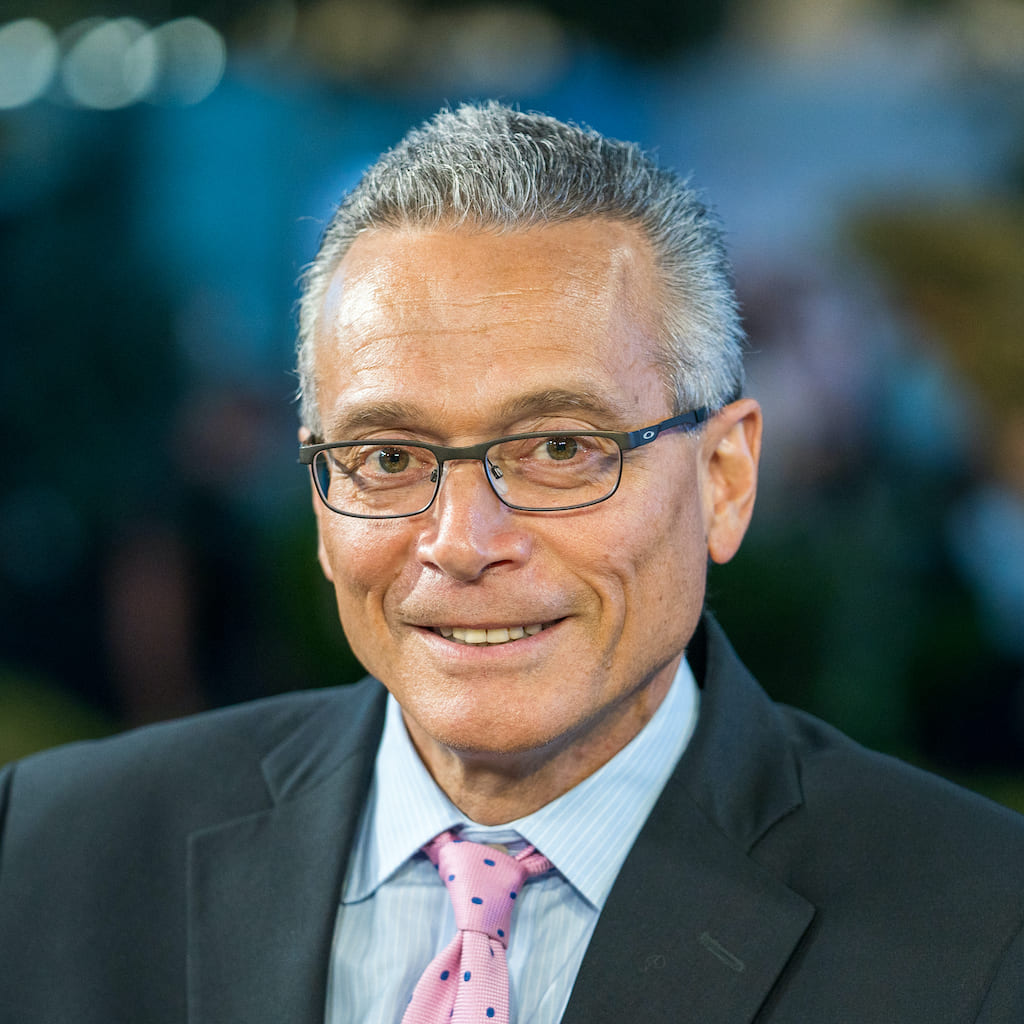
Lakshmi Mandyam, ARM, at HP Moonshot 2013, with John Furrier and Dave Vellante
Forgot Password
Almost there!
We just sent you a verification email. Please verify your account to gain access to
HP Moonshot 2013 | New York. If you don’t think you received an email check your
spam folder.
In order to sign in, enter the email address you used to registered for the event. Once completed, you will receive an email with a verification link. Open this link to automatically sign into the site.
Register For HP Moonshot 2013 | New York
Please fill out the information below. You will recieve an email with a verification link confirming your registration. Click the link to automatically sign into the site.
You’re almost there!
We just sent you a verification email. Please click the verification button in the email. Once your email address is verified, you will have full access to all event content for HP Moonshot 2013 | New York.
I want my badge and interests to be visible to all attendees.
Checking this box will display your presense on the attendees list, view your profile and allow other attendees to contact you via 1-1 chat. Read the Privacy Policy. At any time, you can choose to disable this preference.
Select your Interests!
add
Upload your photo
Uploading..
OR
Connect via Twitter
Connect via Linkedin
EDIT PASSWORD
Share
Forgot Password
Almost there!
We just sent you a verification email. Please verify your account to gain access to
HP Moonshot 2013 | New York. If you don’t think you received an email check your
spam folder.
In order to sign in, enter the email address you used to registered for the event. Once completed, you will receive an email with a verification link. Open this link to automatically sign into the site.
Sign in to gain access to HP Moonshot 2013 | New York
Please sign in with LinkedIn to continue to HP Moonshot 2013 | New York. Signing in with LinkedIn ensures a professional environment.
Are you sure you want to remove access rights for this user?
Details
Manage Access
email address
Community Invitation
Lakshmi Mandyam - HP Moonshot 2013 - theCUBE
Lakshmi Mandyam, Director of Server Systems and Ecosystems, discussed the ARM architecture and its role in HP's Moonshot, as well as the impact of a battery-powered philosophy would have on technology trend at the Cube's coverage of HP's New York City hyperscale server launch.
Mandyam discussed ARMs evolution since the end of 2011 with hosts Dave Vellante and John Furrier, debating whether or not Moonshot brings an end to the era of 'one size fits all' in the world of servers. 'It's a big step in that direction,' she agreed.
Exploring the benefits of ARM architecture, Lakshmi Mandyam said that while it comes with standardization, it also allows for specialization. Partners take advantage of the standard ARM platform and then take it a step further, developing its own solutions, building on the current app convergence trend.
"The new normal is going to be more integration," she added, pointing out that ARM is well positioned in that respect, due to its processor technology and multiple partners strategy.
The company's server activity started about 4 years ago. It debuted with an OEM partner seeking their help for their issues -- running out of power and space. The company wanted to employ ARM technology, as it was batter powered. This battery-operated philosophy "leads to reducing power usage." The ecosystem is now driven by mobile and tablets, therefore there is quite a lot of interest in ARM architecture and a lot of companies are investing in the technology. The company shipped 1.6 billion chips last year alone.
Open source and the changing server market
.
Speaking of software around the ARM architecture, Mandyam mentioned there was a lot of traction around open source. There is long term support for commercial Ubuntu, she added. She also mentions ARM's own investment in open source software -- its involvement in Linaro, which focuses on Linux innovation. Through this project, ARM and its partners are collaborating and sharing information, HP being part of this effort. HP's new Pathfinder ecosystem will allow them to get things done a lot faster, being able to further drive innovation.
Speaking of its involvement in the server market, apart from HP's Moonshot, Mandyam said there are a number of servers soon to be announced that are based on ARM architecture, and even more partners will be basing their server releases on this architecture.
Commenting on the importance of power consumption, Mandyam said that the total cost of ownership is more important than just energy. This includes saving on acquisition costs, increased reliability, and other such factors.
Discussing the concept of software-defined technolgy, she stated that "the beauty of software-defined is that the end user is going to drive what software-defined really is." The hyperscale space is definitelly software defined, Dave Vellante pointed out, the general aim being to exclude the human component.
.Hyperscale and ARM's competitive advantage
.
As far as the hyperscale world and the traditional enterprise environment coming together are concerned, the success of this convergence depends on circumstances."I actually think that, long-term, people can't ignore this trend. Most workloads in the future will be cloud-based." Therefore, enterprises will have to look at how they can deploy in the cloud, they will have to redefine how they do business.
The current trend is to replicate the mobile experience everywhere and that experience today is on ARM, Lakshmi Mandyam added, and people want to duplicate that type of experience to reflect the fundamental shift of being always on, always connected.
Regarding which trending metrics drive the industry, Mandyam said performance per watt, or per dollar options are gaining ground, and ARM can deliver for any of these new metrics.
Asked to highlight ARM's competitive edge, Mandyam explained that the comapny's whole business model "is really about partnerships. When you think about ARM, it's really ARM and partners," the networks including about 1000 partners. The way the IP is developed, "we have a really long-term view." ARM discusses plans for 2016, and views success as its partners' success. "We scale from micro-controllers to processors that are going into servers. The ability to pick your optimization point, that is the difference we bring to the table." Generally, the reason companies turn to ARM is "because they see it as being a long-term strategic partner."
Lakshmi Mandyam, ARM, at HP Moonshot 2013, with John Furrier and Dave Vellante