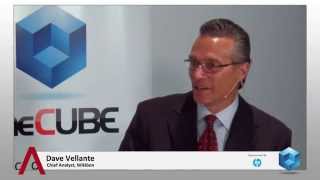
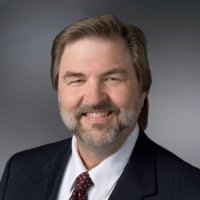
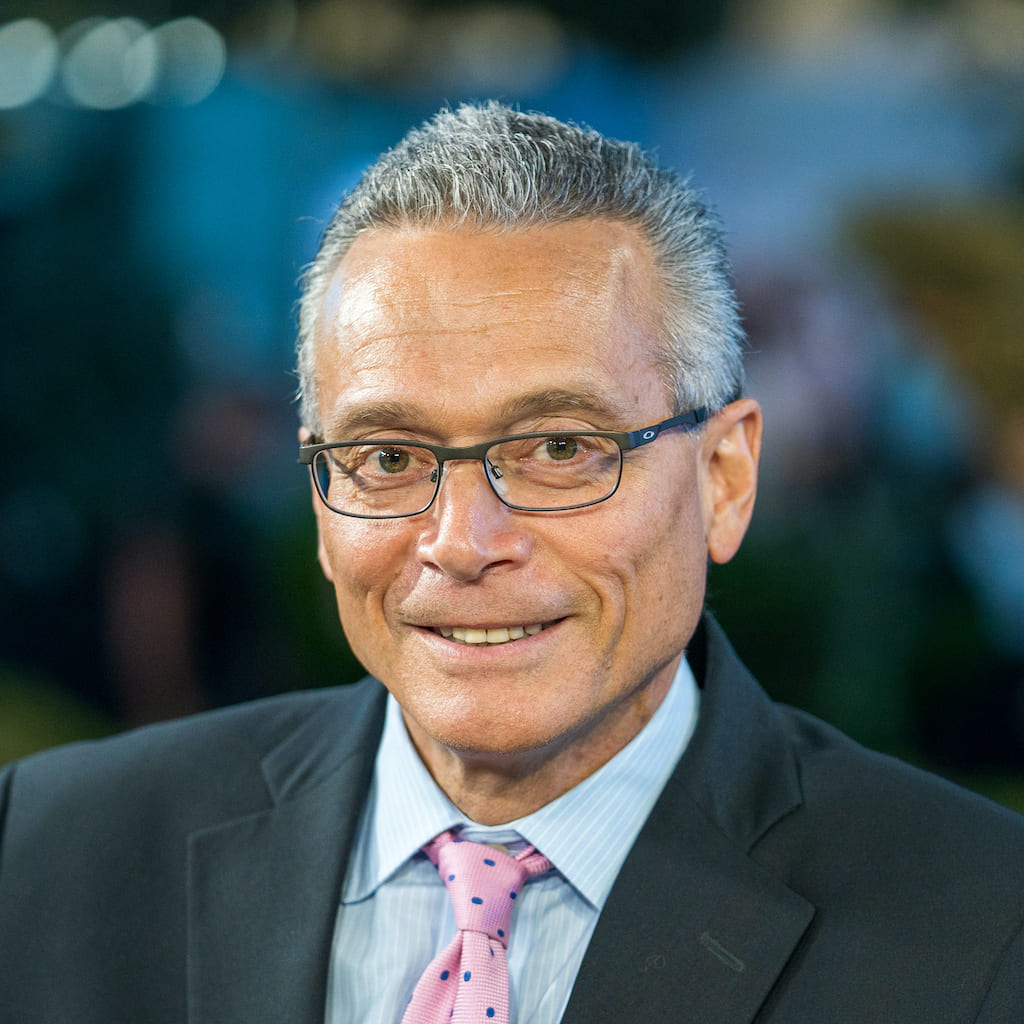
Greg Scherer, QLogic, with John Furrier and Dave Vellante at HP Discover Las Vegas 2014
@thecube
#hpdiscover
QLogic, manufacturer of high-performance networking hardware, recently announced the release of the first 20-gigabit Ethernet capability in conjunction with Hewlett Packard’s Virtual Connect FlexFabric adapters.
Greg Scherer, VP of Strategy at QLogic, sat down with Dave Vellante and John Furrier of theCUBE at HP Discover Las Vegas 2014 to talk about the Flex-20, as some are calling it; the death of QLogic’s former CEO H.K. Desai; and the need for simpler networks.
Flex-20
The Flex-20 technology basically takes two 10-gigabit flexible fabric interconnecting lanes and gives those using the blade servers 20 gigabytes of performance for each blade. This increases the bandwidth available, allowing users to double up on the number of virtual machines per blade.
Furthermore, this allows for the saving of a tremendous amount of CPU usage over those two ports as opposed to just one.
Learn more about Flex-20’s pipeline in Scherer’s complete segment (embed below).
The legacy of H.K. Desai
Scherer also talked about the recent passing of former QLogic CEO H.K. Desai and what he meant to the company. Desai set the tone for QLogic by helping to create a gracious relationship amidst an otherwise competitive landscape.
“I think from all of us inside QLogic, our point of view is that the best way to honor H.K.’s memory is to drive the company forward and be successful,” Scherer said. “It’s a way to honor who he was and who he is to those of us who knew him.”
Commoditization of the network
When asked about the commoditization of the network and attempts to make it simpler, Scherer responded, “We certainly need much simpler networks, simpler IO planes. That’s really the goal of a lot of the software defined.
“You know software-defined networking is to take away the complexity and put that into nice, manageable environments where you have a single pane of glass that can manage more than just your external switch, but also map your VM into that switching environment so that you can follow that VM as if it looked like a physical server all the way throughout your network to its endpoint and destination.”
Forgot Password
Almost there!
We just sent you a verification email. Please verify your account to gain access to
HP Discover 2014 | Las Vegas. If you don’t think you received an email check your
spam folder.
In order to sign in, enter the email address you used to registered for the event. Once completed, you will receive an email with a verification link. Open this link to automatically sign into the site.
Register For HP Discover 2014 | Las Vegas
Please fill out the information below. You will recieve an email with a verification link confirming your registration. Click the link to automatically sign into the site.
You’re almost there!
We just sent you a verification email. Please click the verification button in the email. Once your email address is verified, you will have full access to all event content for HP Discover 2014 | Las Vegas.
I want my badge and interests to be visible to all attendees.
Checking this box will display your presense on the attendees list, view your profile and allow other attendees to contact you via 1-1 chat. Read the Privacy Policy. At any time, you can choose to disable this preference.
Select your Interests!
add
Upload your photo
Uploading..
OR
Connect via Twitter
Connect via Linkedin
EDIT PASSWORD
Share
Forgot Password
Almost there!
We just sent you a verification email. Please verify your account to gain access to
HP Discover 2014 | Las Vegas. If you don’t think you received an email check your
spam folder.
In order to sign in, enter the email address you used to registered for the event. Once completed, you will receive an email with a verification link. Open this link to automatically sign into the site.
Sign in to gain access to HP Discover 2014 | Las Vegas
Please sign in with LinkedIn to continue to HP Discover 2014 | Las Vegas. Signing in with LinkedIn ensures a professional environment.
Are you sure you want to remove access rights for this user?
Details
Manage Access
email address
Community Invitation
Greg Scherer - HP Discover Las Vegas 2014 - theCUBE - #HPDiscover
Greg Scherer, QLogic, with John Furrier and Dave Vellante at HP Discover Las Vegas 2014
@thecube
#hpdiscover
QLogic, manufacturer of high-performance networking hardware, recently announced the release of the first 20-gigabit Ethernet capability in conjunction with Hewlett Packard’s Virtual Connect FlexFabric adapters.
Greg Scherer, VP of Strategy at QLogic, sat down with Dave Vellante and John Furrier of theCUBE at HP Discover Las Vegas 2014 to talk about the Flex-20, as some are calling it; the death of QLogic’s former CEO H.K. Desai; and the need for simpler networks.
Flex-20
The Flex-20 technology basically takes two 10-gigabit flexible fabric interconnecting lanes and gives those using the blade servers 20 gigabytes of performance for each blade. This increases the bandwidth available, allowing users to double up on the number of virtual machines per blade.
Furthermore, this allows for the saving of a tremendous amount of CPU usage over those two ports as opposed to just one.
Learn more about Flex-20’s pipeline in Scherer’s complete segment (embed below).
The legacy of H.K. Desai
Scherer also talked about the recent passing of former QLogic CEO H.K. Desai and what he meant to the company. Desai set the tone for QLogic by helping to create a gracious relationship amidst an otherwise competitive landscape.
“I think from all of us inside QLogic, our point of view is that the best way to honor H.K.’s memory is to drive the company forward and be successful,” Scherer said. “It’s a way to honor who he was and who he is to those of us who knew him.”
Commoditization of the network
When asked about the commoditization of the network and attempts to make it simpler, Scherer responded, “We certainly need much simpler networks, simpler IO planes. That’s really the goal of a lot of the software defined.
“You know software-defined networking is to take away the complexity and put that into nice, manageable environments where you have a single pane of glass that can manage more than just your external switch, but also map your VM into that switching environment so that you can follow that VM as if it looked like a physical server all the way throughout your network to its endpoint and destination.”