Enhanced video at http://vinja.tv/kBsYVPd4
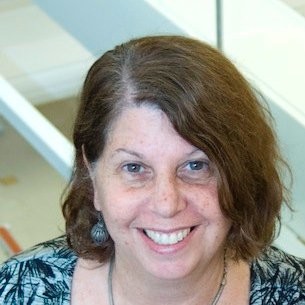
01. Toby Bloom Phd, Informatics New York Genome Center Visits #theCUBE. (00:40)
02. Science, Data And Discovery Where Is The State Of The Union. (00:47)
03. How Do You Sort Through All The Data. (01:46)
04. What Is The Big Overriding Goal. (03:21)
05. How Has Your Data Pipeline Evolved Over The Past Years. (03:52)
06. Is It A Set Of Tools From A Tool Kit Or An Integrated Process. (07:08)
07. Is All The Data Always Living There. (08:43)
08. What Advise Would You Give Young Generation Who Are Interested. (08:55)
09. The More Data We Can Bring The Better. (10:50)
10. Your Path Is The Future. (11:14)
11. Is More Data More Complexity. (12:04)
12. How Do You Get People To Embrace The Idea Of More Data For Health. (13:25)
13. Do You Have Thoughts On Public Policy For Better Income. (15:31)
14. What Is 23andme. (16:37)
15. How Do You Do A Genome. (16:57)
16. How Has The Ability To Analyse This Data Affected Medicine. (17:57)
17. The Thinking On Cancer Has Changed. (19:07)
18. Are You Excited With The Potential Progress Of Medicine. (20:32)
19. How Do People Get Involved. (21:13)
20. How Can People Change The World. (23:24)
Track List created with http://www.vinjavideo.com.
Can Big Data affect genomics and help fight disease? | #HPBigData2015
by Amber Johnson | Aug 12, 2015
Genomics certainly is Big Data,” explained Toby Bloom, Ph.D. She regularly analyzes an estimated “12 terabytes a day” and stores up to “20 to 30 terabytes a day” as the deputy scientific director, Informatics at the New York Genome Center.
Bloom remarked during an interview with SiliconANGLE’s Media production team, theCUBE, that she deals with billions of A, C, T, and Gs — the four letters that make up DNA — everyday in her quest to uncover where each one fits in a genome, as well as their variance and which are related to disease. Currently, Bloom and her team are working to improve the algorithms and analytics used to process the donated genomes. All of the information goes into an HP Vertica database.
Big Data helps disease-related research
The New York Genome Center was founded through a collaboration of 12 different medical centers and now has 17 centers contributing to them. The basic process is to take the donated DNA from tubes and cut it, then sequence those sections and pattern-match them to a reference genome. That may sound hard enough without considering that with any given genome, a technician is looking at 1 to 2 million differences from the reference genome. From there, the goal is to identify the biological process that is related to a disease and interfere with drug treatment. It is important to note that the Center does not do treatment, although its research does lead to better results.
As of now, the Center has funding for specific disease-related research, but the average donation’s sequencing is generally financed by the donor. Genomics have already led to advances in cancer and cystic fibrosis research, and Bloom believes we will see “within a decade even more progress” if funding issues can be resolved.
@theCUBE
#HPBigData2015
Forgot Password
Almost there!
We just sent you a verification email. Please verify your account to gain access to
HP Vertica Big Data Conference 2015 | Boston. If you don’t think you received an email check your
spam folder.
Sign in to HP Vertica Big Data Conference 2015 | Boston.
In order to sign in, enter the email address you used to registered for the event. Once completed, you will receive an email with a verification link. Open this link to automatically sign into the site.
Register For HP Vertica Big Data Conference 2015 | Boston
Please fill out the information below. You will recieve an email with a verification link confirming your registration. Click the link to automatically sign into the site.
You’re almost there!
We just sent you a verification email. Please click the verification button in the email. Once your email address is verified, you will have full access to all event content for HP Vertica Big Data Conference 2015 | Boston.
I want my badge and interests to be visible to all attendees.
Checking this box will display your presense on the attendees list, view your profile and allow other attendees to contact you via 1-1 chat. Read the Privacy Policy. At any time, you can choose to disable this preference.
Select your Interests!
add
Upload your photo
Uploading..
OR
Connect via Twitter
Connect via Linkedin
EDIT PASSWORD
Share
Forgot Password
Almost there!
We just sent you a verification email. Please verify your account to gain access to
HP Vertica Big Data Conference 2015 | Boston. If you don’t think you received an email check your
spam folder.
Sign in to HP Vertica Big Data Conference 2015 | Boston.
In order to sign in, enter the email address you used to registered for the event. Once completed, you will receive an email with a verification link. Open this link to automatically sign into the site.
Sign in to gain access to HP Vertica Big Data Conference 2015 | Boston
Please sign in with LinkedIn to continue to HP Vertica Big Data Conference 2015 | Boston. Signing in with LinkedIn ensures a professional environment.
Are you sure you want to remove access rights for this user?
Details
Manage Access
email address
Community Invitation
Toby Bloom - HP Big Data 2015 - theCUBE
Enhanced video at http://vinja.tv/kBsYVPd4
01. Toby Bloom Phd, Informatics New York Genome Center Visits #theCUBE. (00:40)
02. Science, Data And Discovery Where Is The State Of The Union. (00:47)
03. How Do You Sort Through All The Data. (01:46)
04. What Is The Big Overriding Goal. (03:21)
05. How Has Your Data Pipeline Evolved Over The Past Years. (03:52)
06. Is It A Set Of Tools From A Tool Kit Or An Integrated Process. (07:08)
07. Is All The Data Always Living There. (08:43)
08. What Advise Would You Give Young Generation Who Are Interested. (08:55)
09. The More Data We Can Bring The Better. (10:50)
10. Your Path Is The Future. (11:14)
11. Is More Data More Complexity. (12:04)
12. How Do You Get People To Embrace The Idea Of More Data For Health. (13:25)
13. Do You Have Thoughts On Public Policy For Better Income. (15:31)
14. What Is 23andme. (16:37)
15. How Do You Do A Genome. (16:57)
16. How Has The Ability To Analyse This Data Affected Medicine. (17:57)
17. The Thinking On Cancer Has Changed. (19:07)
18. Are You Excited With The Potential Progress Of Medicine. (20:32)
19. How Do People Get Involved. (21:13)
20. How Can People Change The World. (23:24)
Track List created with http://www.vinjavideo.com.
Can Big Data affect genomics and help fight disease? | #HPBigData2015
by Amber Johnson | Aug 12, 2015
Genomics certainly is Big Data,” explained Toby Bloom, Ph.D. She regularly analyzes an estimated “12 terabytes a day” and stores up to “20 to 30 terabytes a day” as the deputy scientific director, Informatics at the New York Genome Center.
Bloom remarked during an interview with SiliconANGLE’s Media production team, theCUBE, that she deals with billions of A, C, T, and Gs — the four letters that make up DNA — everyday in her quest to uncover where each one fits in a genome, as well as their variance and which are related to disease. Currently, Bloom and her team are working to improve the algorithms and analytics used to process the donated genomes. All of the information goes into an HP Vertica database.
Big Data helps disease-related research
The New York Genome Center was founded through a collaboration of 12 different medical centers and now has 17 centers contributing to them. The basic process is to take the donated DNA from tubes and cut it, then sequence those sections and pattern-match them to a reference genome. That may sound hard enough without considering that with any given genome, a technician is looking at 1 to 2 million differences from the reference genome. From there, the goal is to identify the biological process that is related to a disease and interfere with drug treatment. It is important to note that the Center does not do treatment, although its research does lead to better results.
As of now, the Center has funding for specific disease-related research, but the average donation’s sequencing is generally financed by the donor. Genomics have already led to advances in cancer and cystic fibrosis research, and Bloom believes we will see “within a decade even more progress” if funding issues can be resolved.
@theCUBE
#HPBigData2015