01. David Hill, Open Energi, visits #theCUBE!. (00:14)
02. Open Energi: Creating a Distributed Energy Storage System. (00:50)
03. Day to Day at Open Energi. (01:26)
04. Introducing Software that Aggregates Small Amounts of Stored Energy. (02:28)
05. UK Regulation and Availability for Energy Consumption. (04:17)
06. The Big Data Angle for Open Energi. (06:01)
07. The History of Open Energi and their Capital Efficiency. (06:40)
08. IOT and Fever and the Reality Behind Connectivity. (08:31)
09. Securing the Grid: Security is at the Heart of Open Energi. (10:44)
10. The Customer Experience with Hortonworks. (11:50)
11. Thoughts on the Hadoop Europe Show and the Industry in General. (12:59)
Track List created with http://www.vinjavideo.com.
--- ---
Harnessing the power of IoT for cleaner, more efficient and affordable energy | #HS16Dublin
by Betsy Amy-Vogt | Apr 13, 2016
The IoT has been heralded as the bringer of many wild and wonderful benefits, from cars that drive themselves in for repairs to fridges that order more ice cream when your supply is getting dangerously low. But British company Open Energi Ltd. is harnessing the benefits of connectivity to bring customers more efficient, more affordable, and, ultimately, cleaner energy.
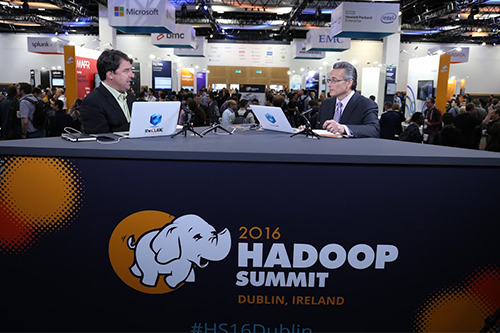
Joining John Furrier (@furrier) and Dave Vellante (@dvellante), cohosts of theCUBE, from the SiliconANGLE Media team, during Hadoop Summit in Dublin, Ireland, David Hill, business development director at Open Energi Ltd., talked about what Open Energi does, how its software works, and the benefits of being a Hortonworks’ customer.
Transferring the value back to the consumer
Millions of devices have small amounts of stored energy that is currently unused. Open Energi’s software accesses this energy and aggregates and provisions it where and when it is needed. This has the dual benefit of stopping expenses due to peaking demand and providing a revenue stream for customers, as well as smoothing the energy-use pattern across the board for efficiency.
The UK’s more liberalized energy system, where customers are able to choose their energy provider, has been instrumental in allowing energy-use experiments. However, “similar things are happening in the USA,” said Hill.
Connectivity is the key first step
The biggest energy-consuming machines are old and not smart, Hill explained. He gave a case of a large water pump that controlled the levels of water in a dock to keep boats afloat. The control system consisted of a guy who would watch levels and crank the pump up when the levels needed to be raised! A large amount of energy was latent in the pump, but could not be accessed. Although connecting the pump to the Internet is costly, the savings make it worthwhile. As smaller items, like fridges or electric kettles, become connected, the available pool of devices will grow and the opportunities for accessing and efficiently redistributing the energy will grow.
“We were an IoT company before we even knew what IoT was,” said Hill, discussing how Open Energi was founded pre-Hadoop. Becoming Hadoop customers was a “huge leap,” and Hortonworks DataFlow services are enabling much more cost-effective integration that has Hill extremely excited about the future.
@theCUBE
#HS16Dublin
Forgot Password
Almost there!
We just sent you a verification email. Please verify your account to gain access to
Hadoop Summit 2016 | Dublin. If you don’t think you received an email check your
spam folder.
In order to sign in, enter the email address you used to registered for the event. Once completed, you will receive an email with a verification link. Open this link to automatically sign into the site.
Register For Hadoop Summit 2016 | Dublin
Please fill out the information below. You will recieve an email with a verification link confirming your registration. Click the link to automatically sign into the site.
You’re almost there!
We just sent you a verification email. Please click the verification button in the email. Once your email address is verified, you will have full access to all event content for Hadoop Summit 2016 | Dublin.
I want my badge and interests to be visible to all attendees.
Checking this box will display your presense on the attendees list, view your profile and allow other attendees to contact you via 1-1 chat. Read the Privacy Policy. At any time, you can choose to disable this preference.
Select your Interests!
add
Upload your photo
Uploading..
OR
Connect via Twitter
Connect via Linkedin
EDIT PASSWORD
Share
Forgot Password
Almost there!
We just sent you a verification email. Please verify your account to gain access to
Hadoop Summit 2016 | Dublin. If you don’t think you received an email check your
spam folder.
In order to sign in, enter the email address you used to registered for the event. Once completed, you will receive an email with a verification link. Open this link to automatically sign into the site.
Sign in to gain access to Hadoop Summit 2016 | Dublin
Please sign in with LinkedIn to continue to Hadoop Summit 2016 | Dublin. Signing in with LinkedIn ensures a professional environment.
Are you sure you want to remove access rights for this user?
Details
Manage Access
email address
Community Invitation
David Hill, Open Energi | Hadoop Summit Dublin 2016
01. David Hill, Open Energi, visits #theCUBE!. (00:14)
02. Open Energi: Creating a Distributed Energy Storage System. (00:50)
03. Day to Day at Open Energi. (01:26)
04. Introducing Software that Aggregates Small Amounts of Stored Energy. (02:28)
05. UK Regulation and Availability for Energy Consumption. (04:17)
06. The Big Data Angle for Open Energi. (06:01)
07. The History of Open Energi and their Capital Efficiency. (06:40)
08. IOT and Fever and the Reality Behind Connectivity. (08:31)
09. Securing the Grid: Security is at the Heart of Open Energi. (10:44)
10. The Customer Experience with Hortonworks. (11:50)
11. Thoughts on the Hadoop Europe Show and the Industry in General. (12:59)
Track List created with http://www.vinjavideo.com.
--- ---
Harnessing the power of IoT for cleaner, more efficient and affordable energy | #HS16Dublin
by Betsy Amy-Vogt | Apr 13, 2016
The IoT has been heralded as the bringer of many wild and wonderful benefits, from cars that drive themselves in for repairs to fridges that order more ice cream when your supply is getting dangerously low. But British company Open Energi Ltd. is harnessing the benefits of connectivity to bring customers more efficient, more affordable, and, ultimately, cleaner energy.
Joining John Furrier (@furrier) and Dave Vellante (@dvellante), cohosts of theCUBE, from the SiliconANGLE Media team, during Hadoop Summit in Dublin, Ireland, David Hill, business development director at Open Energi Ltd., talked about what Open Energi does, how its software works, and the benefits of being a Hortonworks’ customer.
Transferring the value back to the consumer
Millions of devices have small amounts of stored energy that is currently unused. Open Energi’s software accesses this energy and aggregates and provisions it where and when it is needed. This has the dual benefit of stopping expenses due to peaking demand and providing a revenue stream for customers, as well as smoothing the energy-use pattern across the board for efficiency.
The UK’s more liberalized energy system, where customers are able to choose their energy provider, has been instrumental in allowing energy-use experiments. However, “similar things are happening in the USA,” said Hill.
Connectivity is the key first step
The biggest energy-consuming machines are old and not smart, Hill explained. He gave a case of a large water pump that controlled the levels of water in a dock to keep boats afloat. The control system consisted of a guy who would watch levels and crank the pump up when the levels needed to be raised! A large amount of energy was latent in the pump, but could not be accessed. Although connecting the pump to the Internet is costly, the savings make it worthwhile. As smaller items, like fridges or electric kettles, become connected, the available pool of devices will grow and the opportunities for accessing and efficiently redistributing the energy will grow.
“We were an IoT company before we even knew what IoT was,” said Hill, discussing how Open Energi was founded pre-Hadoop. Becoming Hadoop customers was a “huge leap,” and Hortonworks DataFlow services are enabling much more cost-effective integration that has Hill extremely excited about the future.
@theCUBE
#HS16Dublin