01. Andrea Capodicasa, Capgemini, visits #theCUBE!. (00:14)
02. Hessel Miedema, Capgemini, visits #theCUBE!. (00:33)
03. Where Are We in the Big Data Timeline?. (01:08)
04. The Role of Big Data Architect. (01:50)
05. Moving Customers to a Modern Data Architecture. (03:30)
06. Finding Specific Business Value with Big Data. (08:10)
07. Traditional Enterprise Warehouse vs. Modern Architecture. (11:15)
08. Adoption and Operationalization of a Modern Data Architecture. (14:06)
09. Avoiding the Data Lake Becoming Valueless. (15:29)
10. What Brings Customers to Capgemini and the Engagement Model. (17:41)
11. Capgemini's Global Focus and Industries. (19:57)
Track List created with http://www.vinjavideo.com.
--- ---
Is a ‘data archipelago’ better than unified architecture? | #HS16Dublin
by Betsy Amy-Vogt | Apr 13, 2016
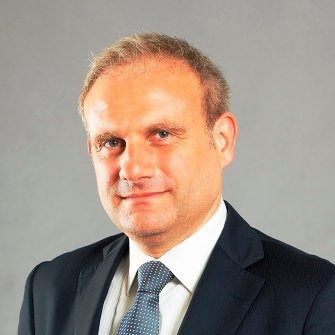
As Big Data is diverted from static data lakes and put into motion, there have been promises of all-in-one solutions — unified architecture for all aspects of Big Data management. Andrea Capodicasa, head of Big Data analytics at Capgemini, sees these promises as “ivory towers” and believes that a single view cannot be achieved by a single architecture. In his opinion, what is needed is to enable businesses to leverage all technologies to their best advantage through a powerful “data archipelago” comprised of interconnected, flexible technologies.
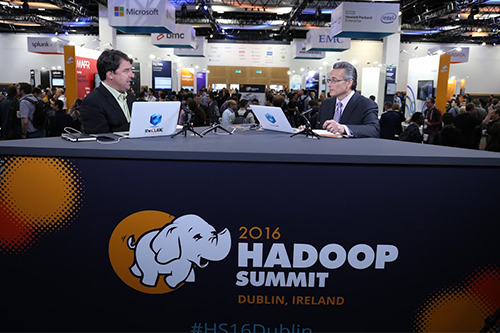
Capodicasa, and his colleague Hessel Miedema, machine learning architect at Capgemini, meet with Dave Vellante (@dvellante), cohost of theCUBE, from the SiliconANGLE Media team, during Hadoop Summit in Dublin, Ireland. The trio discussed how, as Big Data architects, Capidocasa and Miedema are using the combination of “big brains and client contact” to aid Capgemini clients to take the best advantage of the shift in Big Data from static to dynamic.
What is Big Data architecture?
Miedema responded to Vellante’s question by describing the evolution of the Big Data architect’s role from purely technical just a few years ago to their current focus on establishing business transformation and enabling clients to leverage information. Capodicasa agreed, saying that their role is now 60–80 percent advisory, with a focus on strategy rather than technical implementation.
What is more important: ROI or security?
Vellante asked if Capgemini customers are modernizing their Big Data systems because of the huge ROI or if they are choosing to modernize because of organizational pressure. Miedema answered that it “depends who you talk to.” The business analysts are just interested in accessing and using the data, but from the IT department’s POV, security, compliance and regulations are of primary importance.
The goal is to align everyone’s interests, he said, describing how Capgemini’s biggest success stories come when they gave data scientists, business analysts and data users all working and collaborating together in a physically close environment to fulfill both ROI and security needs.
Real-life example of ROI are in fraud analytics, said Miedema, describing how it is “now easy with the technology available to find the patterns.” Another example is Predictive Hazard Management where the obvious benefit to the bottom line is the ability to maintain extremely expensive equipment before it breaks.
Big Data is a global problem
Winding up the interview, Miedema and Capodicasa talked about the benefits of working with a global organization with a focus on Big Data and analytics, such as Capgemini. “Big Data is a global problem, so you have to have that global mindset,” said Miedema.
@theCUBE
#HS16Dublin
Forgot Password
Almost there!
We just sent you a verification email. Please verify your account to gain access to
Hadoop Summit 2016 | Dublin. If you don’t think you received an email check your
spam folder.
In order to sign in, enter the email address you used to registered for the event. Once completed, you will receive an email with a verification link. Open this link to automatically sign into the site.
Register For Hadoop Summit 2016 | Dublin
Please fill out the information below. You will recieve an email with a verification link confirming your registration. Click the link to automatically sign into the site.
You’re almost there!
We just sent you a verification email. Please click the verification button in the email. Once your email address is verified, you will have full access to all event content for Hadoop Summit 2016 | Dublin.
I want my badge and interests to be visible to all attendees.
Checking this box will display your presense on the attendees list, view your profile and allow other attendees to contact you via 1-1 chat. Read the Privacy Policy. At any time, you can choose to disable this preference.
Select your Interests!
add
Upload your photo
Uploading..
OR
Connect via Twitter
Connect via Linkedin
EDIT PASSWORD
Share
Forgot Password
Almost there!
We just sent you a verification email. Please verify your account to gain access to
Hadoop Summit 2016 | Dublin. If you don’t think you received an email check your
spam folder.
In order to sign in, enter the email address you used to registered for the event. Once completed, you will receive an email with a verification link. Open this link to automatically sign into the site.
Sign in to gain access to Hadoop Summit 2016 | Dublin
Please sign in with LinkedIn to continue to Hadoop Summit 2016 | Dublin. Signing in with LinkedIn ensures a professional environment.
01. Andrea Capodicasa, Capgemini, visits #theCUBE!. (00:14)
02. Hessel Miedema, Capgemini, visits #theCUBE!. (00:33)
03. Where Are We in the Big Data Timeline?. (01:08)
04. The Role of Big Data Architect. (01:50)
05. Moving Customers to a Modern Data Architecture. (03:30)
06. Finding Specific Business Value with Big Data. (08:10)
07. Traditional Enterprise Warehouse vs. Modern Architecture. (11:15)
08. Adoption and Operationalization of a Modern Data Architecture. (14:06)
09. Avoiding the Data Lake Becoming Valueless. (15:29)
10. What Brings Customers to Capgemini and the Engagement Model. (17:41)
11. Capgemini's Global Focus and Industries. (19:57)
Track List created with http://www.vinjavideo.com.
--- ---
Is a ‘data archipelago’ better than unified architecture? | #HS16Dublin
by Betsy Amy-Vogt | Apr 13, 2016
As Big Data is diverted from static data lakes and put into motion, there have been promises of all-in-one solutions — unified architecture for all aspects of Big Data management. Andrea Capodicasa, head of Big Data analytics at Capgemini, sees these promises as “ivory towers” and believes that a single view cannot be achieved by a single architecture. In his opinion, what is needed is to enable businesses to leverage all technologies to their best advantage through a powerful “data archipelago” comprised of interconnected, flexible technologies.
Capodicasa, and his colleague Hessel Miedema, machine learning architect at Capgemini, meet with Dave Vellante (@dvellante), cohost of theCUBE, from the SiliconANGLE Media team, during Hadoop Summit in Dublin, Ireland. The trio discussed how, as Big Data architects, Capidocasa and Miedema are using the combination of “big brains and client contact” to aid Capgemini clients to take the best advantage of the shift in Big Data from static to dynamic.
What is Big Data architecture?
Miedema responded to Vellante’s question by describing the evolution of the Big Data architect’s role from purely technical just a few years ago to their current focus on establishing business transformation and enabling clients to leverage information. Capodicasa agreed, saying that their role is now 60–80 percent advisory, with a focus on strategy rather than technical implementation.
What is more important: ROI or security?
Vellante asked if Capgemini customers are modernizing their Big Data systems because of the huge ROI or if they are choosing to modernize because of organizational pressure. Miedema answered that it “depends who you talk to.” The business analysts are just interested in accessing and using the data, but from the IT department’s POV, security, compliance and regulations are of primary importance.
The goal is to align everyone’s interests, he said, describing how Capgemini’s biggest success stories come when they gave data scientists, business analysts and data users all working and collaborating together in a physically close environment to fulfill both ROI and security needs.
Real-life example of ROI are in fraud analytics, said Miedema, describing how it is “now easy with the technology available to find the patterns.” Another example is Predictive Hazard Management where the obvious benefit to the bottom line is the ability to maintain extremely expensive equipment before it breaks.
Big Data is a global problem
Winding up the interview, Miedema and Capodicasa talked about the benefits of working with a global organization with a focus on Big Data and analytics, such as Capgemini. “Big Data is a global problem, so you have to have that global mindset,” said Miedema.
@theCUBE
#HS16Dublin