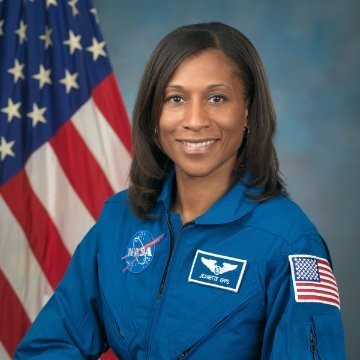
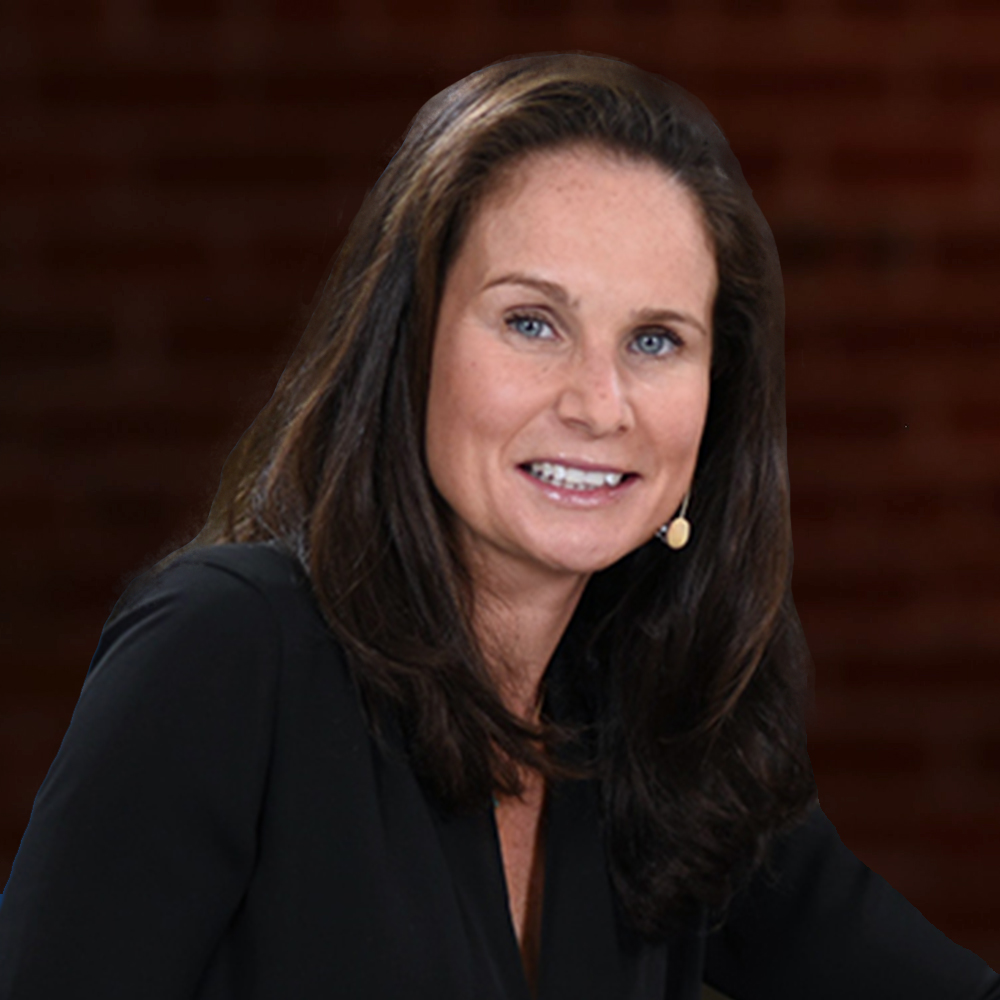
01. Jeanette Epps, NASA, visits #theCUBE!. (00:15)
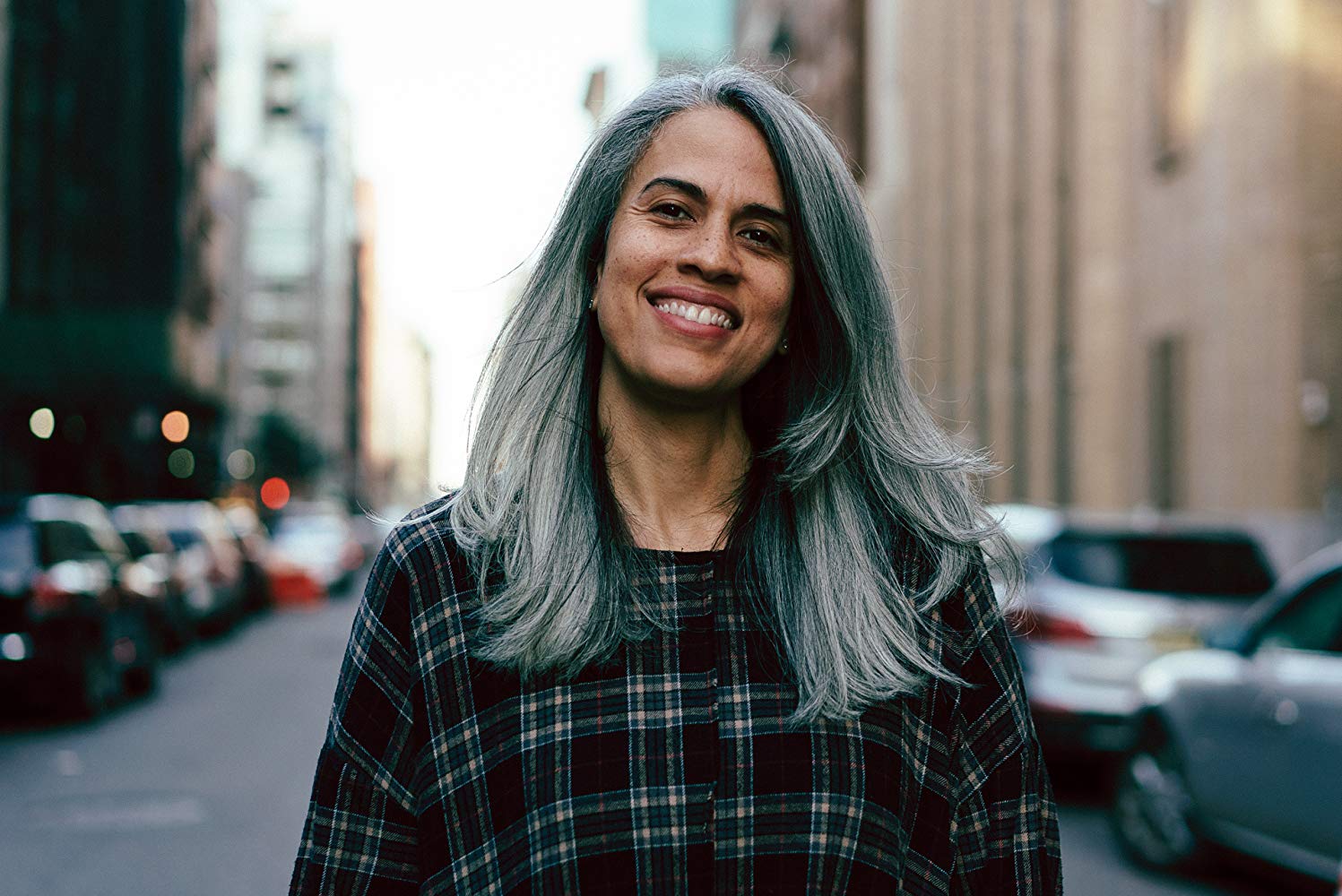
02. Mimi Valdes, Executive Producer, visits #theCUBE!. (00:31)
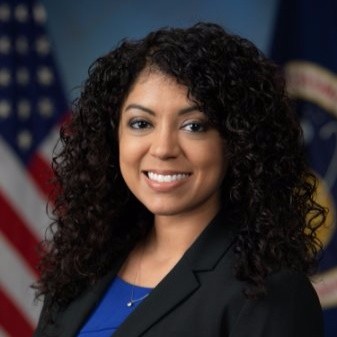
03. Christina Deoja, NASA, visits #theCUBE!. (00:36)
04. Getting to Mars. (00:50)
05. Getting More Children in STEM. (02:18)
06. Telling the Whole Story: Hidden Figures. (03:17)
07. A Career Goal: From STEM to NASA. (06:09)
08. NASA Recruitment. (08:23)
09. Getting Female Students Interested. (09:40)
10. Identifying as a "Black Woman Astronaut". (11:53)
11. Under the Microscope: Failing as a Minority. (13:40)
Track List created with http://www.vinjavideo.com.
--- ---
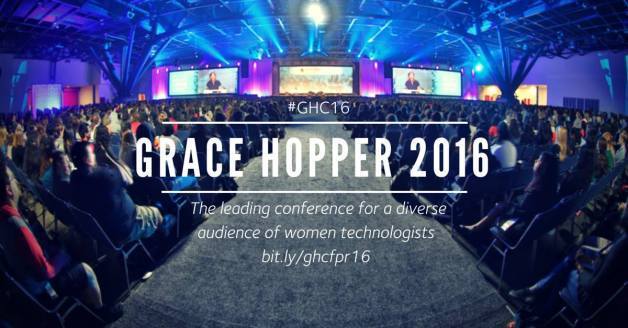
We have liftoff: How NASA promotes diversity in STEM | #GHC16
by Timothy Walden | Oct 21, 2016
Many companies have begin to address the issue of women in technology, but what about women in space? Is there diversity at NASA, and how is it recruiting talent?
Mimi Valdes (@MimiValdes), executive producer at Hidden Figures; Dr. Jeanette Epps, astronaut at NASA’s Johnson Space Center; and Christina Deoja, electrical engineer at NASA, addressed these and other important issues regarding diversity in STEM. Valdes, Epps and Deoja talked with Rebecca Knight (@knightrm), host of theCUBE, from the SiliconANGLE Media team, during the Grace Hopper Celebration of Women in Computing about women in NASA and diversity in STEM.
Women at NASA
All three of these women are encouraging girls across the globe to look into STEM (Science Technology Engineering and Mathematics) careers. As NASA makes leaps and bounds in space travel, Epps hopes that the national push to put humans on Mars will “inspire a new generation to do great things.”
Valdes is working on the movie Hidden Figures, which tells the story of three women who were vital to putting man on the moon. She hopes the film will encourage more girls to look for careers in STEM and even work for NASA.
Being an inspiration
As an electrical engineer for NASA, Deoja directly works on the power systems for rockets in various space programs. She’s been with NASA for over nine years and hopes to be an inspiration to girls everywhere. All three women agree that working for NASA, whether directly or indirectly, is important for visibility.
To be successful in any career, “it’s important to see positive images and role models,” said Epps. The more STEM careers that are made visible “the more beneficial for humanity,” said Valdes. These women are hoping to be positive role models and examples for girls to follow and hopefully emulate.
Striving for progress
Although the number of women in STEM is low in comparison to men, it is on rise, according to Epps. NASA and other organizations in STEM are actively seeking more women and recruiting the brightest minds, she added.
One important bit of advice the trio gave was to always move forward and never be afraid to fail. Failure doesn’t mean stop trying and can in fact be “an opportunity to learn,” said Valdes. With every failure comes a learning opportunity, both for the individual and the organization they’re a part of.
Forgot Password
Almost there!
We just sent you a verification email. Please verify your account to gain access to
Grace Hopper Celebration of Women in Computing 2016 | Houston. If you don’t think you received an email check your
spam folder.
Sign in to Grace Hopper Celebration of Women in Computing 2016 | Houston.
In order to sign in, enter the email address you used to registered for the event. Once completed, you will receive an email with a verification link. Open this link to automatically sign into the site.
Register For Grace Hopper Celebration of Women in Computing 2016 | Houston
Please fill out the information below. You will recieve an email with a verification link confirming your registration. Click the link to automatically sign into the site.
You’re almost there!
We just sent you a verification email. Please click the verification button in the email. Once your email address is verified, you will have full access to all event content for Grace Hopper Celebration of Women in Computing 2016 | Houston.
I want my badge and interests to be visible to all attendees.
Checking this box will display your presense on the attendees list, view your profile and allow other attendees to contact you via 1-1 chat. Read the Privacy Policy. At any time, you can choose to disable this preference.
Select your Interests!
add
Upload your photo
Uploading..
OR
Connect via Twitter
Connect via Linkedin
EDIT PASSWORD
Share
Forgot Password
Almost there!
We just sent you a verification email. Please verify your account to gain access to
Grace Hopper Celebration of Women in Computing 2016 | Houston. If you don’t think you received an email check your
spam folder.
Sign in to Grace Hopper Celebration of Women in Computing 2016 | Houston.
In order to sign in, enter the email address you used to registered for the event. Once completed, you will receive an email with a verification link. Open this link to automatically sign into the site.
Sign in to gain access to Grace Hopper Celebration of Women in Computing 2016 | Houston
Please sign in with LinkedIn to continue to Grace Hopper Celebration of Women in Computing 2016 | Houston. Signing in with LinkedIn ensures a professional environment.
Are you sure you want to remove access rights for this user?
Details
Manage Access
email address
Community Invitation
Mimi Valdes, Dr. Jeanette Epps, & Christina Deoja, NASA - Grace Hopper Celebration #GHC16 #theCUBE
01. Jeanette Epps, NASA, visits #theCUBE!. (00:15)
02. Mimi Valdes, Executive Producer, visits #theCUBE!. (00:31)
03. Christina Deoja, NASA, visits #theCUBE!. (00:36)
04. Getting to Mars. (00:50)
05. Getting More Children in STEM. (02:18)
06. Telling the Whole Story: Hidden Figures. (03:17)
07. A Career Goal: From STEM to NASA. (06:09)
08. NASA Recruitment. (08:23)
09. Getting Female Students Interested. (09:40)
10. Identifying as a "Black Woman Astronaut". (11:53)
11. Under the Microscope: Failing as a Minority. (13:40)
Track List created with http://www.vinjavideo.com.
--- ---
We have liftoff: How NASA promotes diversity in STEM | #GHC16
by Timothy Walden | Oct 21, 2016
Many companies have begin to address the issue of women in technology, but what about women in space? Is there diversity at NASA, and how is it recruiting talent?
Mimi Valdes (@MimiValdes), executive producer at Hidden Figures; Dr. Jeanette Epps, astronaut at NASA’s Johnson Space Center; and Christina Deoja, electrical engineer at NASA, addressed these and other important issues regarding diversity in STEM. Valdes, Epps and Deoja talked with Rebecca Knight (@knightrm), host of theCUBE, from the SiliconANGLE Media team, during the Grace Hopper Celebration of Women in Computing about women in NASA and diversity in STEM.
Women at NASA
All three of these women are encouraging girls across the globe to look into STEM (Science Technology Engineering and Mathematics) careers. As NASA makes leaps and bounds in space travel, Epps hopes that the national push to put humans on Mars will “inspire a new generation to do great things.”
Valdes is working on the movie Hidden Figures, which tells the story of three women who were vital to putting man on the moon. She hopes the film will encourage more girls to look for careers in STEM and even work for NASA.
Being an inspiration
As an electrical engineer for NASA, Deoja directly works on the power systems for rockets in various space programs. She’s been with NASA for over nine years and hopes to be an inspiration to girls everywhere. All three women agree that working for NASA, whether directly or indirectly, is important for visibility.
To be successful in any career, “it’s important to see positive images and role models,” said Epps. The more STEM careers that are made visible “the more beneficial for humanity,” said Valdes. These women are hoping to be positive role models and examples for girls to follow and hopefully emulate.
Striving for progress
Although the number of women in STEM is low in comparison to men, it is on rise, according to Epps. NASA and other organizations in STEM are actively seeking more women and recruiting the brightest minds, she added.
One important bit of advice the trio gave was to always move forward and never be afraid to fail. Failure doesn’t mean stop trying and can in fact be “an opportunity to learn,” said Valdes. With every failure comes a learning opportunity, both for the individual and the organization they’re a part of.