01. Amanda Gicharu-Kemoli, Tech Republic Africa, Visits #theCUBE!. (00:20)
02. Talk To Me About Your Career. (00:43)
03. What Do You See At Google That Made You Want To Go There. (01:53)
04. What Is The Problem You're Trying To Solve At Tech Republic Africa. (03:00)
05. How Muc Outreach To Parents Do You Have To Do. (04:47)
06. What Are Some Of The Challenges Do You See For Women. (05:50)
07. Is There A Sense Of Things Changing From A Patriarchal Society. (07:06)
08. Are You Moving Toward The Social Enterprise Model. (08:20)
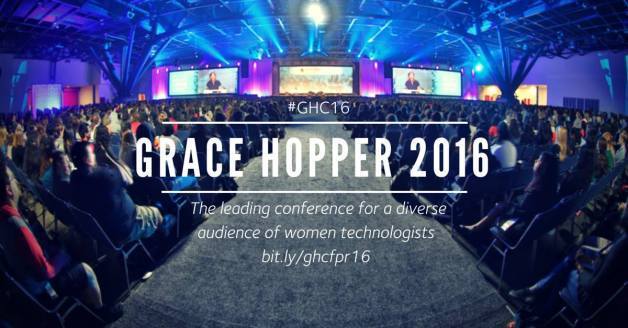
09. What Are Your Impressions Of The Grace Hopper Conference. (09:08)
10. How Do You See The Election Here In The US. (10:14)
11. How Do You Feel About The First African American President Exit Office. (12:17)
Track List created with http://www.vinjavideo.com.
--- ---
Can mobile spread First World education to developing nations? | #GHC16
by R. Danes | Oct 20, 2016
The internet has put almost limitless stores of information literally at people’s fingertips. Online encyclopedias, free college-level courses, massive open online courses and the like are making it possible to gain usable knowledge and skills without leaving home. With this said, why do such poor levels of education persist in some developing nations? Some say that the internet is not being adequately exploited to universalize education and that this needs to change.
Amanda Gicharu-Kemoli, cofounder and leadership program director of Tech Republic Africa, said that affordability of devices in not the problem. She realized this through her previous work with Google in Kenya.
The mighty mobile
“They were trying to demonstrate to the local population how the internet could make an impact in their everyday life in a more positive way,” she told Rebecca Knight (@knightrm), co-host of theCUBE, from the SiliconANGLE Media team.
Mobile phone ownership is at 88 percent in Kenya, according to Kemoli. “But there’s a lot of ignorance around what you can do with that phone beyond messaging and calls,” she added.
Clearing a path to tech ed for women and girls
Kemoli said the solution to the problem lay in raising digital literacy levels. “I realized it’s really deeply rooted in our education system where people are learning Industrial Age type skills whereas right now we are in the Artificial Intelligence Age,” she explained.
Hardest hit by the deficiencies are girls and women. “They do have challenges accessing even basic education, so accessing STEM education is completely out of the question,” according to Kemoli.
Tech Republic Africa aims to show Kenyans what tech and tech education can do in terms of accessing information, improving society and creating jobs. They have found that peer-to-peer marketing in these traditional societies has helped to get people interested in the programs they offer.
#GHC16
#theCUBE
Forgot Password
Almost there!
We just sent you a verification email. Please verify your account to gain access to
Grace Hopper Celebration of Women in Computing 2016 | Houston. If you don’t think you received an email check your
spam folder.
Sign in to Grace Hopper Celebration of Women in Computing 2016 | Houston.
In order to sign in, enter the email address you used to registered for the event. Once completed, you will receive an email with a verification link. Open this link to automatically sign into the site.
Register For Grace Hopper Celebration of Women in Computing 2016 | Houston
Please fill out the information below. You will recieve an email with a verification link confirming your registration. Click the link to automatically sign into the site.
You’re almost there!
We just sent you a verification email. Please click the verification button in the email. Once your email address is verified, you will have full access to all event content for Grace Hopper Celebration of Women in Computing 2016 | Houston.
I want my badge and interests to be visible to all attendees.
Checking this box will display your presense on the attendees list, view your profile and allow other attendees to contact you via 1-1 chat. Read the Privacy Policy. At any time, you can choose to disable this preference.
Select your Interests!
add
Upload your photo
Uploading..
OR
Connect via Twitter
Connect via Linkedin
EDIT PASSWORD
Share
Forgot Password
Almost there!
We just sent you a verification email. Please verify your account to gain access to
Grace Hopper Celebration of Women in Computing 2016 | Houston. If you don’t think you received an email check your
spam folder.
Sign in to Grace Hopper Celebration of Women in Computing 2016 | Houston.
In order to sign in, enter the email address you used to registered for the event. Once completed, you will receive an email with a verification link. Open this link to automatically sign into the site.
Sign in to gain access to Grace Hopper Celebration of Women in Computing 2016 | Houston
Please sign in with LinkedIn to continue to Grace Hopper Celebration of Women in Computing 2016 | Houston. Signing in with LinkedIn ensures a professional environment.
01. Amanda Gicharu-Kemoli, Tech Republic Africa, Visits #theCUBE!. (00:20)
02. Talk To Me About Your Career. (00:43)
03. What Do You See At Google That Made You Want To Go There. (01:53)
04. What Is The Problem You're Trying To Solve At Tech Republic Africa. (03:00)
05. How Muc Outreach To Parents Do You Have To Do. (04:47)
06. What Are Some Of The Challenges Do You See For Women. (05:50)
07. Is There A Sense Of Things Changing From A Patriarchal Society. (07:06)
08. Are You Moving Toward The Social Enterprise Model. (08:20)
09. What Are Your Impressions Of The Grace Hopper Conference. (09:08)
10. How Do You See The Election Here In The US. (10:14)
11. How Do You Feel About The First African American President Exit Office. (12:17)
Track List created with http://www.vinjavideo.com.
--- ---
Can mobile spread First World education to developing nations? | #GHC16
by R. Danes | Oct 20, 2016
The internet has put almost limitless stores of information literally at people’s fingertips. Online encyclopedias, free college-level courses, massive open online courses and the like are making it possible to gain usable knowledge and skills without leaving home. With this said, why do such poor levels of education persist in some developing nations? Some say that the internet is not being adequately exploited to universalize education and that this needs to change.
Amanda Gicharu-Kemoli, cofounder and leadership program director of Tech Republic Africa, said that affordability of devices in not the problem. She realized this through her previous work with Google in Kenya.
The mighty mobile
“They were trying to demonstrate to the local population how the internet could make an impact in their everyday life in a more positive way,” she told Rebecca Knight (@knightrm), co-host of theCUBE, from the SiliconANGLE Media team.
Mobile phone ownership is at 88 percent in Kenya, according to Kemoli. “But there’s a lot of ignorance around what you can do with that phone beyond messaging and calls,” she added.
Clearing a path to tech ed for women and girls
Kemoli said the solution to the problem lay in raising digital literacy levels. “I realized it’s really deeply rooted in our education system where people are learning Industrial Age type skills whereas right now we are in the Artificial Intelligence Age,” she explained.
Hardest hit by the deficiencies are girls and women. “They do have challenges accessing even basic education, so accessing STEM education is completely out of the question,” according to Kemoli.
Tech Republic Africa aims to show Kenyans what tech and tech education can do in terms of accessing information, improving society and creating jobs. They have found that peer-to-peer marketing in these traditional societies has helped to get people interested in the programs they offer.
#GHC16
#theCUBE