01. Judy Logan, Stanford, visits #theCUBE!. (00:16)
02. Karen Matthys, Stanford, visits #theCUBE!. (00:22)
03. Origins of the Women in Data Science Conference. (00:50)
04. The Walmart Partnership. (02:15)
05. The Computer Science "and" Trend. (03:30)
06. International Women in Data Science. (05:55)
07. The Impact of Inspiring Women to Data Science. (07:49)
08. Implicit Bias and Past Discrimination. (08:51)
Track List created with http://www.vinjavideo.com.
--- ---
How Stanford is empowering women in the data science field | #GHC16
by Tim Hawkins | Oct 21, 2016
Data science is a field that women have not traditionally gravitated toward, and as a result the field is unintentionally dominated by men. In response, Stanford University began the “Women in Data Science” program, which aims to foster interest and professional participation by women in not only data science, but also in engineering and computer science as a whole.
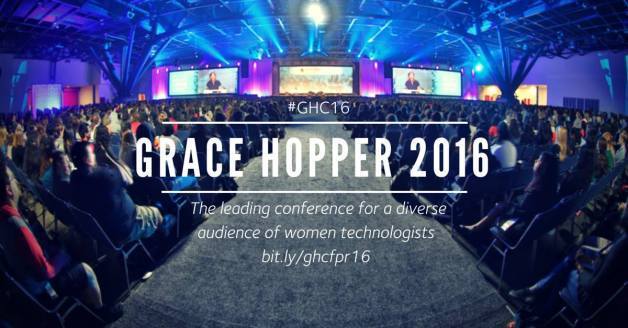
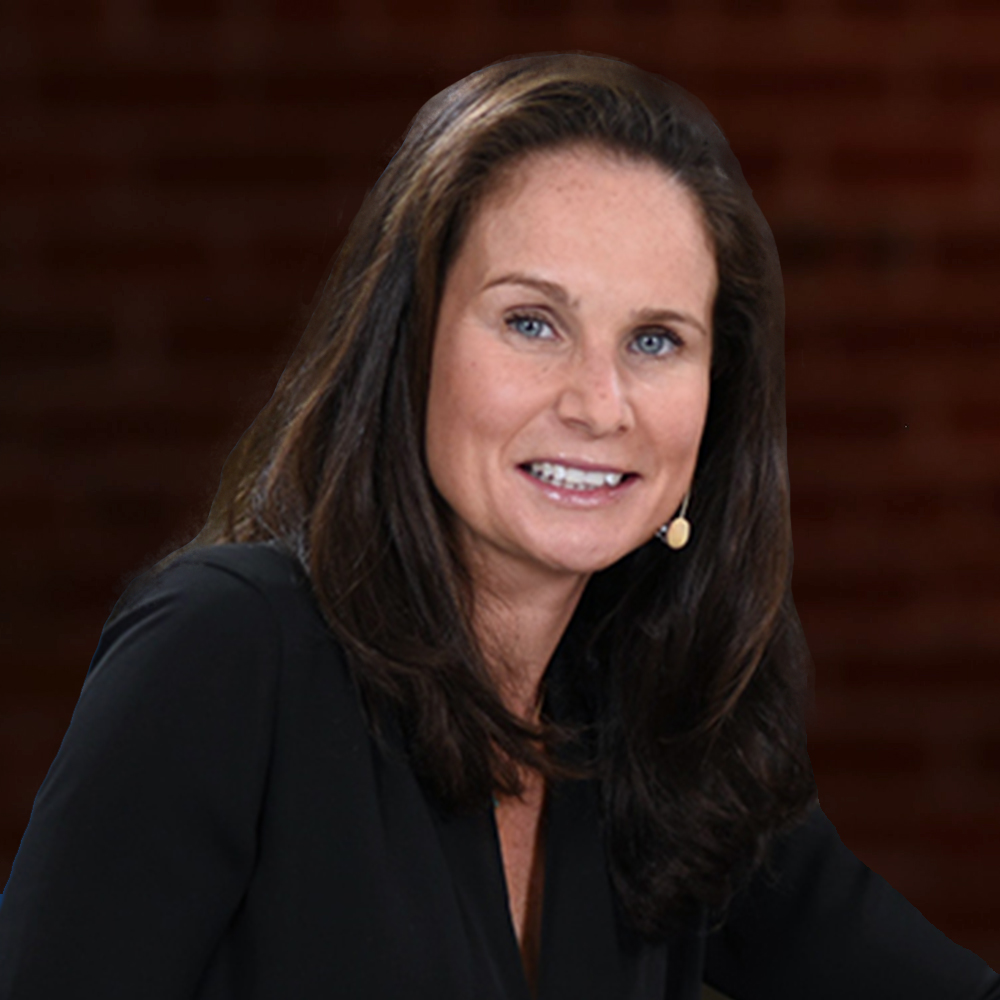
Judy Logan, marketing lead, Women in Data Science (WiDS) Conference, at Stanford University and principal at Indigo Partners, and Karen Matthys, executive director, External Partners, at Stanford Institute for Computational and Mathematical Engineering, sat down with Rebecca Knight (@knightrm), host of theCUBE, from the SiliconANGLE Media team, live from the Grace Hopper Celebration of Women in Computing event in Houston, TX. The pair talk about the need for more gender diversity within the data science field and the role Stanford is playing in the effort to bring that about.
Combating gender disparity in the data science field
Mathematics-based technical fields in general have historically been dominated by men, but according to Matthys, the fields of engineering, computer science and data science have been particularly so. In response, Matthys and Logan created the “Women in Data Science” organization at Stanford, with the intention of getting more women interested in data science and related fields, as well as in support the women already
“The conference came about as we were exploring ways to improve the percentage of women in areas of computing, data science and engineering,” said Matthys. “The numbers are, as you know, very low; they’ve even gone down since the 1990s when I was back in school.”
‘Women in Data Science’
In an effort to bring more gender diversity to the data science and related fields, Stanford created the “Women in Data Science” organization through the efforts of Matthys and Logan. The goal of the project is to attract more women to the data science field by stimulating interest and awareness on data science related topics, celebrating the “rock star” women in the field who have made amazing contributions to it, and educate everyone on data science and the technology around it.
“We cast a broad net around data science and that’s everything including machine learning, AI, cyber security, data visualization, all sorts of different areas,” said Matthys. “We wanted to support women getting into the field for first time, but also to support those in the field because attrition is quite a big challenge.”
Forgot Password
Almost there!
We just sent you a verification email. Please verify your account to gain access to
Grace Hopper Celebration of Women in Computing 2016 | Houston. If you don’t think you received an email check your
spam folder.
Sign in to Grace Hopper Celebration of Women in Computing 2016 | Houston.
In order to sign in, enter the email address you used to registered for the event. Once completed, you will receive an email with a verification link. Open this link to automatically sign into the site.
Register For Grace Hopper Celebration of Women in Computing 2016 | Houston
Please fill out the information below. You will recieve an email with a verification link confirming your registration. Click the link to automatically sign into the site.
You’re almost there!
We just sent you a verification email. Please click the verification button in the email. Once your email address is verified, you will have full access to all event content for Grace Hopper Celebration of Women in Computing 2016 | Houston.
I want my badge and interests to be visible to all attendees.
Checking this box will display your presense on the attendees list, view your profile and allow other attendees to contact you via 1-1 chat. Read the Privacy Policy. At any time, you can choose to disable this preference.
Select your Interests!
add
Upload your photo
Uploading..
OR
Connect via Twitter
Connect via Linkedin
EDIT PASSWORD
Share
Forgot Password
Almost there!
We just sent you a verification email. Please verify your account to gain access to
Grace Hopper Celebration of Women in Computing 2016 | Houston. If you don’t think you received an email check your
spam folder.
Sign in to Grace Hopper Celebration of Women in Computing 2016 | Houston.
In order to sign in, enter the email address you used to registered for the event. Once completed, you will receive an email with a verification link. Open this link to automatically sign into the site.
Sign in to gain access to Grace Hopper Celebration of Women in Computing 2016 | Houston
Please sign in with LinkedIn to continue to Grace Hopper Celebration of Women in Computing 2016 | Houston. Signing in with LinkedIn ensures a professional environment.
01. Judy Logan, Stanford, visits #theCUBE!. (00:16)
02. Karen Matthys, Stanford, visits #theCUBE!. (00:22)
03. Origins of the Women in Data Science Conference. (00:50)
04. The Walmart Partnership. (02:15)
05. The Computer Science "and" Trend. (03:30)
06. International Women in Data Science. (05:55)
07. The Impact of Inspiring Women to Data Science. (07:49)
08. Implicit Bias and Past Discrimination. (08:51)
Track List created with http://www.vinjavideo.com.
--- ---
How Stanford is empowering women in the data science field | #GHC16
by Tim Hawkins | Oct 21, 2016
Data science is a field that women have not traditionally gravitated toward, and as a result the field is unintentionally dominated by men. In response, Stanford University began the “Women in Data Science” program, which aims to foster interest and professional participation by women in not only data science, but also in engineering and computer science as a whole.
Judy Logan, marketing lead, Women in Data Science (WiDS) Conference, at Stanford University and principal at Indigo Partners, and Karen Matthys, executive director, External Partners, at Stanford Institute for Computational and Mathematical Engineering, sat down with Rebecca Knight (@knightrm), host of theCUBE, from the SiliconANGLE Media team, live from the Grace Hopper Celebration of Women in Computing event in Houston, TX. The pair talk about the need for more gender diversity within the data science field and the role Stanford is playing in the effort to bring that about.
Combating gender disparity in the data science field
Mathematics-based technical fields in general have historically been dominated by men, but according to Matthys, the fields of engineering, computer science and data science have been particularly so. In response, Matthys and Logan created the “Women in Data Science” organization at Stanford, with the intention of getting more women interested in data science and related fields, as well as in support the women already
“The conference came about as we were exploring ways to improve the percentage of women in areas of computing, data science and engineering,” said Matthys. “The numbers are, as you know, very low; they’ve even gone down since the 1990s when I was back in school.”
‘Women in Data Science’
In an effort to bring more gender diversity to the data science and related fields, Stanford created the “Women in Data Science” organization through the efforts of Matthys and Logan. The goal of the project is to attract more women to the data science field by stimulating interest and awareness on data science related topics, celebrating the “rock star” women in the field who have made amazing contributions to it, and educate everyone on data science and the technology around it.
“We cast a broad net around data science and that’s everything including machine learning, AI, cyber security, data visualization, all sorts of different areas,” said Matthys. “We wanted to support women getting into the field for first time, but also to support those in the field because attrition is quite a big challenge.”