01. Brian Nosek, Open Science & U of Virginia, Visits theCUBE. (00:17)
02. Opening Data Across the Sciences. (00:54)
03. Openness Is about Access and Inclusivity. (02:48)
04. The New Generation of Data Scientists and Open Source. (04:12)
05. Acknowledging and Overcoming Bias. (07:45)
06. Improving on the Challenges of Reproducible Published Literature. (14:14)
07. How Developers Can Get Involved. (17:10)
#theCUBE #GHC15 #UVA #AnitaBorg #GHC
--- ---
Frictionless data-sharing goal for non-profit
by Amber Johnson | Oct 14, 2015
The Center for Open Science (COS) is simultaneously a mission-based non-profit and a tech start-up with the goal of providing free data.
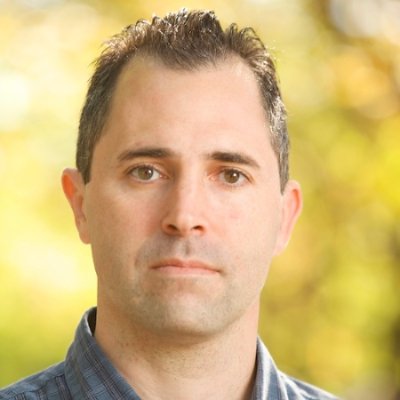
Open data is so important because tons of money is used to get it, but some research will not have the same viewpoints. Therefore, a fresh perspective can provide new conclusions from the same set of data. The Center “provides a framework for users to share data,” said Brian Nosek, executive director of The Center for Open Science and professor at University of Virginia.
“The values of science have always been about transparency,” Nosek remarked during an interview with John Furrier and Jeff Frick, co-hosts of theCUBE, from the SiliconANGLE Media team.
Diversity = empowerment
At the Grace Hopper Celebration of Women in Computing, Nosek noted that a scientist has to show “how did you get there?” by detailing the steps in their experiments. To that end, COS has built its operation on a policy of openness, not just in “transparent access to data,” but also by seeking talent “across the range.” Currently, COS employs a staff of 68, of which approximately 42 percent are women.
Nosek’s personal research since 1997 has been about implicit bias, which he described as a “very ordinary outcome” as “reality comes through the brain” and thereby multiple filters of various assumptions. Having a diverse staff helps reduce the power those biases have in the workplace, as new perspectives bring to light some assumptions that a more homogeneous staff might miss.
COS is learning-based, Nosek explained. Therefore, it offers a paid internship program that seeks both to further the its mission while also helping newcomers develop technology, not for technology’s sake, but to make a difference. The internship program can also give college credit. The CSO is currently “trying to hire like crazy,” commented Nosek.
@theCUBE
#GHC15
Forgot Password
Almost there!
We just sent you a verification email. Please verify your account to gain access to
Grace Hopper Celebration of Women in Computing 2015 | Houston. If you don’t think you received an email check your
spam folder.
Sign in to Grace Hopper Celebration of Women in Computing 2015 | Houston.
In order to sign in, enter the email address you used to registered for the event. Once completed, you will receive an email with a verification link. Open this link to automatically sign into the site.
Register For Grace Hopper Celebration of Women in Computing 2015 | Houston
Please fill out the information below. You will recieve an email with a verification link confirming your registration. Click the link to automatically sign into the site.
You’re almost there!
We just sent you a verification email. Please click the verification button in the email. Once your email address is verified, you will have full access to all event content for Grace Hopper Celebration of Women in Computing 2015 | Houston.
I want my badge and interests to be visible to all attendees.
Checking this box will display your presense on the attendees list, view your profile and allow other attendees to contact you via 1-1 chat. Read the Privacy Policy. At any time, you can choose to disable this preference.
Select your Interests!
add
Upload your photo
Uploading..
OR
Connect via Twitter
Connect via Linkedin
EDIT PASSWORD
Share
Forgot Password
Almost there!
We just sent you a verification email. Please verify your account to gain access to
Grace Hopper Celebration of Women in Computing 2015 | Houston. If you don’t think you received an email check your
spam folder.
Sign in to Grace Hopper Celebration of Women in Computing 2015 | Houston.
In order to sign in, enter the email address you used to registered for the event. Once completed, you will receive an email with a verification link. Open this link to automatically sign into the site.
Sign in to gain access to Grace Hopper Celebration of Women in Computing 2015 | Houston
Please sign in with LinkedIn to continue to Grace Hopper Celebration of Women in Computing 2015 | Houston. Signing in with LinkedIn ensures a professional environment.
Are you sure you want to remove access rights for this user?
Details
Manage Access
email address
Community Invitation
Brian Nosek, University of Virginia | Grace Hopper 2015
01. Brian Nosek, Open Science & U of Virginia, Visits theCUBE. (00:17)
02. Opening Data Across the Sciences. (00:54)
03. Openness Is about Access and Inclusivity. (02:48)
04. The New Generation of Data Scientists and Open Source. (04:12)
05. Acknowledging and Overcoming Bias. (07:45)
06. Improving on the Challenges of Reproducible Published Literature. (14:14)
07. How Developers Can Get Involved. (17:10)
#theCUBE #GHC15 #UVA #AnitaBorg #GHC
--- ---
Frictionless data-sharing goal for non-profit
by Amber Johnson | Oct 14, 2015
The Center for Open Science (COS) is simultaneously a mission-based non-profit and a tech start-up with the goal of providing free data.
Open data is so important because tons of money is used to get it, but some research will not have the same viewpoints. Therefore, a fresh perspective can provide new conclusions from the same set of data. The Center “provides a framework for users to share data,” said Brian Nosek, executive director of The Center for Open Science and professor at University of Virginia.
“The values of science have always been about transparency,” Nosek remarked during an interview with John Furrier and Jeff Frick, co-hosts of theCUBE, from the SiliconANGLE Media team.
Diversity = empowerment
At the Grace Hopper Celebration of Women in Computing, Nosek noted that a scientist has to show “how did you get there?” by detailing the steps in their experiments. To that end, COS has built its operation on a policy of openness, not just in “transparent access to data,” but also by seeking talent “across the range.” Currently, COS employs a staff of 68, of which approximately 42 percent are women.
Nosek’s personal research since 1997 has been about implicit bias, which he described as a “very ordinary outcome” as “reality comes through the brain” and thereby multiple filters of various assumptions. Having a diverse staff helps reduce the power those biases have in the workplace, as new perspectives bring to light some assumptions that a more homogeneous staff might miss.
COS is learning-based, Nosek explained. Therefore, it offers a paid internship program that seeks both to further the its mission while also helping newcomers develop technology, not for technology’s sake, but to make a difference. The internship program can also give college credit. The CSO is currently “trying to hire like crazy,” commented Nosek.
@theCUBE
#GHC15