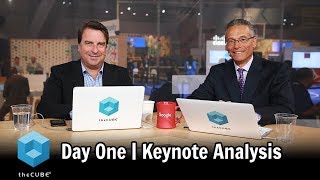
Traci Gusher, Principal, Data & Analytics, KPMG | @tgusher13, sits with John Furrier & Dave Vellante for Google Cloud Next 2018 from the Moscone Center in San Francisco, CA.
#GoogleNext18 #theCUBE
https://siliconangle.com/2018/07/30/jump-the-gap-from-ai-fantasy-to-reality-in-the-enterprise-googlenext18/
Jump the gap from AI fantasy to reality in the enterprise
What’s with all these speed bumps en route to big data monetization and artificial intelligence in the business world? Enterprises are hungry for it, and the cookware’s on the shelf, so where’s the steak? We asked a data and analytics adviser in the thick of the struggle to fill in the blanks.
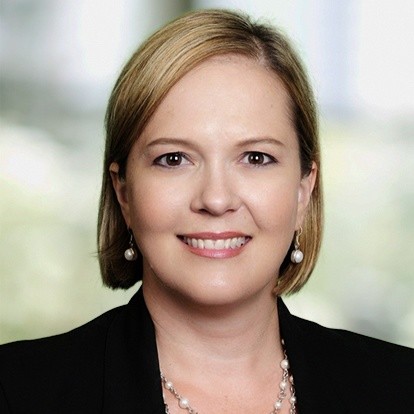
Where to start? That isn’t just rhetoric — it’s a primary question clients have regarding analytics and AI, according to Traci Gusher (pictured), principal of data, analytics and artificial intelligence at KPMG LLP. The advisory firm helps businesses identify data’s low-hanging fruit to score some immediate value.
One obstacle that comes up often is “failure to launch,” she said. “What I mean by that is there’s a lot of great modeling, a lot of great prototyping and experimentation happening in the lab as it relates to applying AI to different problems and opportunities. But they’re staying in the lab. They’re not making it into production; they’re not making it into BAU business-as-usual processes inside organizations.”
KPMG is coaching clients to mind the gaps between planning and launching, as well as other adjacent steps to analytics success.
Gusher spoke with John Furrier (@furrier) and Dave Vellante (@dvellante), co-hosts of theCUBE, SiliconANGLE Media’s mobile livestreaming studio, during the Google Cloud Next event in San Francisco. They discussed the hiccups in keeping organizations from extracting value from their data and what it takes to implement AI in the real world. (* Disclosure below.)
Getting from here to there with training, abstractions
Other ponds business must jump involve people and skills, according to Gusher. For example, there may be computer programming gaps; often, new data processing models are constructed with the Python language, while many traditional information technology organizations are Java shops.
“And they’re saying what do I do now? Do I convert? Do I learn? Do I use different talent?” Gusher said.
Businesses have to make decisions about training their workforce and transitioning them to technologies and processes that will yield insights and value, Gusher furthered.
KPMG is looking out for anything that smacks of “insights as-a-service” for organizations that don’t have a lot of data-science talent. The type of abstraction layers that Google Cloud Platform is touting are at least drifting in that direction, Furrier noted.
Watch the complete video interview below, and be sure to check out more of SiliconANGLE’s and theCUBE’s coverage of the Google Cloud Next event. (* Disclosure: KPMG LLP sponsored this segment of theCUBE. Neither KPMG nor other sponsors have editorial control over content on theCUBE or SiliconANGLE.)
Forgot Password
Almost there!
We just sent you a verification email. Please verify your account to gain access to
Google Cloud Next 2018 | San Francisco. If you don’t think you received an email check your
spam folder.
Sign in to Google Cloud Next 2018 | San Francisco.
In order to sign in, enter the email address you used to registered for the event. Once completed, you will receive an email with a verification link. Open this link to automatically sign into the site.
Register For Google Cloud Next 2018 | San Francisco
Please fill out the information below. You will recieve an email with a verification link confirming your registration. Click the link to automatically sign into the site.
You’re almost there!
We just sent you a verification email. Please click the verification button in the email. Once your email address is verified, you will have full access to all event content for Google Cloud Next 2018 | San Francisco.
I want my badge and interests to be visible to all attendees.
Checking this box will display your presense on the attendees list, view your profile and allow other attendees to contact you via 1-1 chat. Read the Privacy Policy. At any time, you can choose to disable this preference.
Select your Interests!
add
Upload your photo
Uploading..
OR
Connect via Twitter
Connect via Linkedin
EDIT PASSWORD
Share
Forgot Password
Almost there!
We just sent you a verification email. Please verify your account to gain access to
Google Cloud Next 2018 | San Francisco. If you don’t think you received an email check your
spam folder.
Sign in to Google Cloud Next 2018 | San Francisco.
In order to sign in, enter the email address you used to registered for the event. Once completed, you will receive an email with a verification link. Open this link to automatically sign into the site.
Sign in to gain access to Google Cloud Next 2018 | San Francisco
Please sign in with LinkedIn to continue to Google Cloud Next 2018 | San Francisco. Signing in with LinkedIn ensures a professional environment.
Are you sure you want to remove access rights for this user?
Details
Manage Access
email address
Community Invitation
Traci Gusher, KPMG | Google Cloud Next 2018
Traci Gusher, Principal, Data & Analytics, KPMG | @tgusher13, sits with John Furrier & Dave Vellante for Google Cloud Next 2018 from the Moscone Center in San Francisco, CA.
#GoogleNext18 #theCUBE
https://siliconangle.com/2018/07/30/jump-the-gap-from-ai-fantasy-to-reality-in-the-enterprise-googlenext18/
Jump the gap from AI fantasy to reality in the enterprise
What’s with all these speed bumps en route to big data monetization and artificial intelligence in the business world? Enterprises are hungry for it, and the cookware’s on the shelf, so where’s the steak? We asked a data and analytics adviser in the thick of the struggle to fill in the blanks.
Where to start? That isn’t just rhetoric — it’s a primary question clients have regarding analytics and AI, according to Traci Gusher (pictured), principal of data, analytics and artificial intelligence at KPMG LLP. The advisory firm helps businesses identify data’s low-hanging fruit to score some immediate value.
One obstacle that comes up often is “failure to launch,” she said. “What I mean by that is there’s a lot of great modeling, a lot of great prototyping and experimentation happening in the lab as it relates to applying AI to different problems and opportunities. But they’re staying in the lab. They’re not making it into production; they’re not making it into BAU business-as-usual processes inside organizations.”
KPMG is coaching clients to mind the gaps between planning and launching, as well as other adjacent steps to analytics success.
Gusher spoke with John Furrier (@furrier) and Dave Vellante (@dvellante), co-hosts of theCUBE, SiliconANGLE Media’s mobile livestreaming studio, during the Google Cloud Next event in San Francisco. They discussed the hiccups in keeping organizations from extracting value from their data and what it takes to implement AI in the real world. (* Disclosure below.)
Getting from here to there with training, abstractions
Other ponds business must jump involve people and skills, according to Gusher. For example, there may be computer programming gaps; often, new data processing models are constructed with the Python language, while many traditional information technology organizations are Java shops.
“And they’re saying what do I do now? Do I convert? Do I learn? Do I use different talent?” Gusher said.
Businesses have to make decisions about training their workforce and transitioning them to technologies and processes that will yield insights and value, Gusher furthered.
KPMG is looking out for anything that smacks of “insights as-a-service” for organizations that don’t have a lot of data-science talent. The type of abstraction layers that Google Cloud Platform is touting are at least drifting in that direction, Furrier noted.
Watch the complete video interview below, and be sure to check out more of SiliconANGLE’s and theCUBE’s coverage of the Google Cloud Next event. (* Disclosure: KPMG LLP sponsored this segment of theCUBE. Neither KPMG nor other sponsors have editorial control over content on theCUBE or SiliconANGLE.)