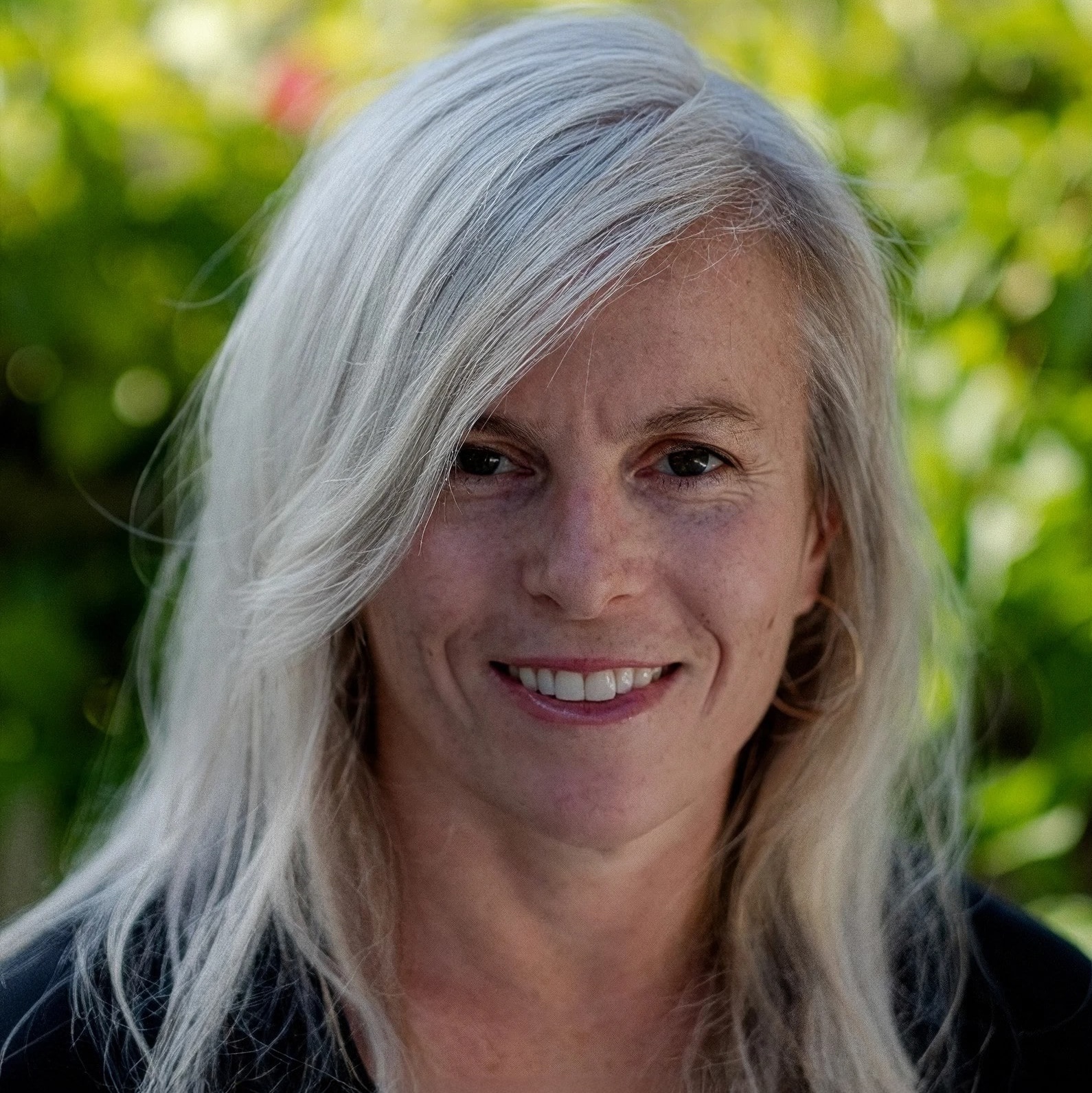
Melody Meckfessel, VP Engineering, Google Cloud | @mmeckf, sits with John Furrier & Jeff Frick for Google Cloud Next 2018 from the Moscone Center in San Francisco, CA.
Coded courage: How Google aims to provide automated tools so developers can take more risks
https://siliconangle.com/2018/07/27/google-delivers-automated-tools-allow-developers-code-focused-googlenext18/
Google LLC’s Cloud Build, introduced at the company’s Cloud Next conference this past week, helps software developers create the “always on” applications needed on the internet today.
Cloud Build essentially will give developers what they need, automating away some of the toil with which developers have had to deal, according to Melody Meckfessel (pictured), vice president of engineering at Google Cloud.
That’s because developers want to spend their time focused on writing code, design and requirements rather than taking care of the plumbing behind build, test and release.
“What makes developers happy? Well, one thing is [to] give them automation so that they can focus on code,” said Meckfessel. “The second thing is the culture to support and empower them.”
Meckfessel spoke with John Furrier and Jeff Frick, co-hosts of theCUBE, SiliconANGLE Media’s mobile livestreaming studio, during the Google Cloud Next event in San Francisco. They discussed the usefulness of canary analysis to developers and Google LLC’s embrace of the concept of blameless post-mortem. (* Disclosure below.)
Data-driven decisions empower developers
One of the features Cloud Build supports is automated canary analysis, which takes the release a developer has built and tests it, making sure it’s secure. For example, if a developer wants to start routing traffic to the release, it’s initially exposed to a small set of production instances.
Once traffic routing begins, it’s possible to monitor error rates and to get a good look at traces to see what’s going on. If everything is running smoothly, then the developer can deploy the release out to all production instances. It’s a safe way to reduce risk by pushing out code slowly, catching the errors in a safe, agile way before full code release, Meckfessel explained.
“We want these tools and the automation to have the developer and the operators’ backs because we’ve learned at Google that when we do that, they take more risks [and] they move quickly, because they know that the DevOps tools are going to catch the breakages for them,” Meckfessel said.
In addition to supporting developers with innovative tools, Google uses the “blameless post-mortem” technique. In software development and systems, it’s a given that things will eventually break and that outages will happen. Humans write the code, and humans are prone to error. When an error occurs, it’s much more useful to find out what happened and how to avoid it again, without placing blame on any one person or team. By removing the blame and focusing rather on how to fix the issue, it’s easier to get to lessons learned for everyone, Meckfessel said.
Here’s the complete video interview, part of SiliconANGLE’s and theCUBE’s extensive coverage of Google Cloud Next. (* Disclosure: Google Cloud sponsored this segment of theCUBE. Neither Google Cloud nor other sponsors have editorial control over content on theCUBE or SiliconANGLE.)
@Google @Google Cloud Platform #GCP @SiliconANGLE theCUBE #theCUBE @theCUBE #WomenInTech
For more information:
https://www.thecube.net/google-cloud-next-18
SiliconANGLE BLOG Posts:
https://siliconangle.com/
Forgot Password
Almost there!
We just sent you a verification email. Please verify your account to gain access to
Google Cloud Next 2018 | San Francisco. If you don’t think you received an email check your
spam folder.
Sign in to Google Cloud Next 2018 | San Francisco.
In order to sign in, enter the email address you used to registered for the event. Once completed, you will receive an email with a verification link. Open this link to automatically sign into the site.
Register For Google Cloud Next 2018 | San Francisco
Please fill out the information below. You will recieve an email with a verification link confirming your registration. Click the link to automatically sign into the site.
You’re almost there!
We just sent you a verification email. Please click the verification button in the email. Once your email address is verified, you will have full access to all event content for Google Cloud Next 2018 | San Francisco.
I want my badge and interests to be visible to all attendees.
Checking this box will display your presense on the attendees list, view your profile and allow other attendees to contact you via 1-1 chat. Read the Privacy Policy. At any time, you can choose to disable this preference.
Select your Interests!
add
Upload your photo
Uploading..
OR
Connect via Twitter
Connect via Linkedin
EDIT PASSWORD
Share
Forgot Password
Almost there!
We just sent you a verification email. Please verify your account to gain access to
Google Cloud Next 2018 | San Francisco. If you don’t think you received an email check your
spam folder.
Sign in to Google Cloud Next 2018 | San Francisco.
In order to sign in, enter the email address you used to registered for the event. Once completed, you will receive an email with a verification link. Open this link to automatically sign into the site.
Sign in to gain access to Google Cloud Next 2018 | San Francisco
Please sign in with LinkedIn to continue to Google Cloud Next 2018 | San Francisco. Signing in with LinkedIn ensures a professional environment.
Are you sure you want to remove access rights for this user?
Details
Manage Access
email address
Community Invitation
Melody Meckfessel, Google Cloud | Google Cloud Next 2018
Melody Meckfessel, VP Engineering, Google Cloud | @mmeckf, sits with John Furrier & Jeff Frick for Google Cloud Next 2018 from the Moscone Center in San Francisco, CA.
Coded courage: How Google aims to provide automated tools so developers can take more risks
https://siliconangle.com/2018/07/27/google-delivers-automated-tools-allow-developers-code-focused-googlenext18/
Google LLC’s Cloud Build, introduced at the company’s Cloud Next conference this past week, helps software developers create the “always on” applications needed on the internet today.
Cloud Build essentially will give developers what they need, automating away some of the toil with which developers have had to deal, according to Melody Meckfessel (pictured), vice president of engineering at Google Cloud.
That’s because developers want to spend their time focused on writing code, design and requirements rather than taking care of the plumbing behind build, test and release.
“What makes developers happy? Well, one thing is [to] give them automation so that they can focus on code,” said Meckfessel. “The second thing is the culture to support and empower them.”
Meckfessel spoke with John Furrier and Jeff Frick, co-hosts of theCUBE, SiliconANGLE Media’s mobile livestreaming studio, during the Google Cloud Next event in San Francisco. They discussed the usefulness of canary analysis to developers and Google LLC’s embrace of the concept of blameless post-mortem. (* Disclosure below.)
Data-driven decisions empower developers
One of the features Cloud Build supports is automated canary analysis, which takes the release a developer has built and tests it, making sure it’s secure. For example, if a developer wants to start routing traffic to the release, it’s initially exposed to a small set of production instances.
Once traffic routing begins, it’s possible to monitor error rates and to get a good look at traces to see what’s going on. If everything is running smoothly, then the developer can deploy the release out to all production instances. It’s a safe way to reduce risk by pushing out code slowly, catching the errors in a safe, agile way before full code release, Meckfessel explained.
“We want these tools and the automation to have the developer and the operators’ backs because we’ve learned at Google that when we do that, they take more risks [and] they move quickly, because they know that the DevOps tools are going to catch the breakages for them,” Meckfessel said.
In addition to supporting developers with innovative tools, Google uses the “blameless post-mortem” technique. In software development and systems, it’s a given that things will eventually break and that outages will happen. Humans write the code, and humans are prone to error. When an error occurs, it’s much more useful to find out what happened and how to avoid it again, without placing blame on any one person or team. By removing the blame and focusing rather on how to fix the issue, it’s easier to get to lessons learned for everyone, Meckfessel said.
Here’s the complete video interview, part of SiliconANGLE’s and theCUBE’s extensive coverage of Google Cloud Next. (* Disclosure: Google Cloud sponsored this segment of theCUBE. Neither Google Cloud nor other sponsors have editorial control over content on theCUBE or SiliconANGLE.)
@Google @Google Cloud Platform #GCP @SiliconANGLE theCUBE #theCUBE @theCUBE #WomenInTech
For more information:
https://www.thecube.net/google-cloud-next-18
SiliconANGLE BLOG Posts:
https://siliconangle.com/