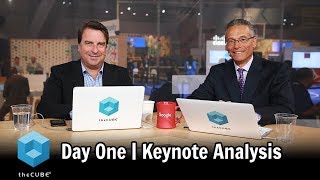
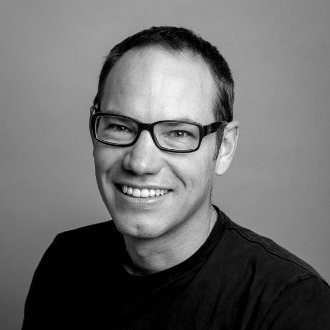
Tim Kelton, Co-Founder, Descartes Labs | @timbuktuu, sits with John Furrier & Dave Vellante for Google Cloud Next 2018 from the Moscone Center in San Francisco, CA.
#GoogleNext18 #theCUBE
https://siliconangle.com/2018/07/30/geospatial-startup-paddles-data-flood-via-scalable-network-open-source-googlenext18/
Geospatial startup paddles data flood via scalable network, open source
More and more businesses are pressed to find technologies that can hold and crunch massive data sets. A business specializing in geospatial data, including satellite imagery of the entire globe, will likely the feel the squeeze more than most. What lessons can they share with the rest of the business world on meeting unprecedented data demands?
Descartes Labs Inc. offers geospatial data services to industries from energy to agriculture. “What we’ve seen is there’s not just the magic data set that gives you the pure answer,” said the company’s co-founder Tim Kelton (pictured). “It’s fusing of a lot of these data sets together to tell you what’s happening and then building models to predict how those changes affect our customers, their businesses, their supply chain, all those types of things.”
Inspired by the potential of machine learning to recognize images and suss out patterns, Descartes Labs opened for business in 2014. The company knew it would need technology that could bite off and chew petabytes of data in brief cycles — even a petabyte a day, according to Kelton.
“One of our big questions early on was actually could the cloud actually even handle that type of scale?” he said. The company opted for the Google Cloud Platform in part due to the vast Google LLC network and reliance on open-source software.
Kelton spoke with John Furrier (@furrier) and Dave Vellante (@dvellante), co-hosts of theCUBE, SiliconANGLE Media’s mobile livestreaming studio, during the Google Cloud Next event in San Francisco. They discussed the challenge of processing geospatial data as well as various successful use cases. (* Disclosure below.)
A pound of data yields an ounce of prediction
Descartes culls data from satellites, sensors overhead and on the ground and other sources to render geospatial information. Its data might be used to predict crop yield, prevent famine and gain insight on natural disasters such as hurricanes.
“Often it’s the temporal cadence that’s almost the key indicator on seeing how things are actually changing over time. And people are coming to us and saying, ‘Can you quantify that?'” Kelton said.
In order to do so, Descartes must ingest floods of data daily through its cloud-native platform. The scalability of Google’s network helps, as do its open-source components — like the Kubernetes orchestration platform for containers (a virtualized method for running distributed software applications).
“We read the Kubernetes source code; we’ve committed changes,” Kelton said. “When you get in really hard problems, you kind of need to understand that code sometimes at that level.”
Watch the complete video interview below, and be sure to check out more of SiliconANGLE’s and theCUBE’s coverage of the Google Cloud Next event. (* Disclosure: Google Cloud sponsored this segment of theCUBE. Neither Google nor other sponsors have editorial control over content on theCUBE or SiliconANGLE.)
Forgot Password
Almost there!
We just sent you a verification email. Please verify your account to gain access to
Google Cloud Next 2018 | San Francisco. If you don’t think you received an email check your
spam folder.
Sign in to Google Cloud Next 2018 | San Francisco.
In order to sign in, enter the email address you used to registered for the event. Once completed, you will receive an email with a verification link. Open this link to automatically sign into the site.
Register For Google Cloud Next 2018 | San Francisco
Please fill out the information below. You will recieve an email with a verification link confirming your registration. Click the link to automatically sign into the site.
You’re almost there!
We just sent you a verification email. Please click the verification button in the email. Once your email address is verified, you will have full access to all event content for Google Cloud Next 2018 | San Francisco.
I want my badge and interests to be visible to all attendees.
Checking this box will display your presense on the attendees list, view your profile and allow other attendees to contact you via 1-1 chat. Read the Privacy Policy. At any time, you can choose to disable this preference.
Select your Interests!
add
Upload your photo
Uploading..
OR
Connect via Twitter
Connect via Linkedin
EDIT PASSWORD
Share
Forgot Password
Almost there!
We just sent you a verification email. Please verify your account to gain access to
Google Cloud Next 2018 | San Francisco. If you don’t think you received an email check your
spam folder.
Sign in to Google Cloud Next 2018 | San Francisco.
In order to sign in, enter the email address you used to registered for the event. Once completed, you will receive an email with a verification link. Open this link to automatically sign into the site.
Sign in to gain access to Google Cloud Next 2018 | San Francisco
Please sign in with LinkedIn to continue to Google Cloud Next 2018 | San Francisco. Signing in with LinkedIn ensures a professional environment.
Are you sure you want to remove access rights for this user?
Details
Manage Access
email address
Community Invitation
Tim Kelton, Descartes Labs | Google Cloud Next 2018
Tim Kelton, Co-Founder, Descartes Labs | @timbuktuu, sits with John Furrier & Dave Vellante for Google Cloud Next 2018 from the Moscone Center in San Francisco, CA.
#GoogleNext18 #theCUBE
https://siliconangle.com/2018/07/30/geospatial-startup-paddles-data-flood-via-scalable-network-open-source-googlenext18/
Geospatial startup paddles data flood via scalable network, open source
More and more businesses are pressed to find technologies that can hold and crunch massive data sets. A business specializing in geospatial data, including satellite imagery of the entire globe, will likely the feel the squeeze more than most. What lessons can they share with the rest of the business world on meeting unprecedented data demands?
Descartes Labs Inc. offers geospatial data services to industries from energy to agriculture. “What we’ve seen is there’s not just the magic data set that gives you the pure answer,” said the company’s co-founder Tim Kelton (pictured). “It’s fusing of a lot of these data sets together to tell you what’s happening and then building models to predict how those changes affect our customers, their businesses, their supply chain, all those types of things.”
Inspired by the potential of machine learning to recognize images and suss out patterns, Descartes Labs opened for business in 2014. The company knew it would need technology that could bite off and chew petabytes of data in brief cycles — even a petabyte a day, according to Kelton.
“One of our big questions early on was actually could the cloud actually even handle that type of scale?” he said. The company opted for the Google Cloud Platform in part due to the vast Google LLC network and reliance on open-source software.
Kelton spoke with John Furrier (@furrier) and Dave Vellante (@dvellante), co-hosts of theCUBE, SiliconANGLE Media’s mobile livestreaming studio, during the Google Cloud Next event in San Francisco. They discussed the challenge of processing geospatial data as well as various successful use cases. (* Disclosure below.)
A pound of data yields an ounce of prediction
Descartes culls data from satellites, sensors overhead and on the ground and other sources to render geospatial information. Its data might be used to predict crop yield, prevent famine and gain insight on natural disasters such as hurricanes.
“Often it’s the temporal cadence that’s almost the key indicator on seeing how things are actually changing over time. And people are coming to us and saying, ‘Can you quantify that?'” Kelton said.
In order to do so, Descartes must ingest floods of data daily through its cloud-native platform. The scalability of Google’s network helps, as do its open-source components — like the Kubernetes orchestration platform for containers (a virtualized method for running distributed software applications).
“We read the Kubernetes source code; we’ve committed changes,” Kelton said. “When you get in really hard problems, you kind of need to understand that code sometimes at that level.”
Watch the complete video interview below, and be sure to check out more of SiliconANGLE’s and theCUBE’s coverage of the Google Cloud Next event. (* Disclosure: Google Cloud sponsored this segment of theCUBE. Neither Google nor other sponsors have editorial control over content on theCUBE or SiliconANGLE.)