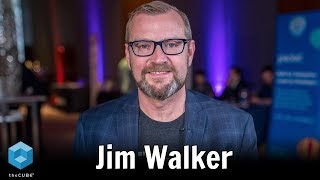
Daniel Spoonhower, CTO & Co-Founder, LightStep, sits down with John Furrier at ESCAPE/19 – the Multi-Cloud Conference in New York City
#theCUBE #Escapeconf
https://siliconangle.com/2019/11/05/qa-data-stretches-across-multiple-clouds-observability-becomes-complex-escapeconf-escapeconf/
Q&A: As data stretches across multiple clouds, observability becomes more complex
Enterprises are housing data in various places as multicloud architectures becomes routine procedure. Top-notch observability, with the ability to trace and aggregate data across clouds, is necessary for organizations looking to solve problems before their clients even notice them. And yes, it’s as complex as it sounds. But LightStep Inc. is in lockstep with the trends to make sure it is tackling anything that may create a problem.
“There’s a lot of different kinds of data, and not all data is equally valuable. So the way that you think about data that’s driving your revenue, that’s one thing, and the way that you’re thinking about debugging your application, that’s another thing,” said Daniel Spoonhower (pictured), co-founder and chief technology officer of LightStep, while sharing his personal thoughts on the multicloud industry. “I think you probably need more than one tool to handle that. It’s just not going to be cost-effective for you.”
Spoonhower spoke with John Furrier, host of theCUBE, SiliconANGLE Media’s mobile livestreaming studio, during the ESCAPE/19 event in New York City. They discussed observability, microservices, and what’s happening with multicloud in the industry (see the full interview with transcript here). (*Disclosure below.) Answers have been condensed for clarity.
Furrier: So much is going on in microservices; you can’t keep it straight these days. Take a minute to give an update on what’s going on with LightStep and why you’re here.
Spoonhower: I think what we’re really trying to see is it’s not just microservices; it’s different cloud vendors, different third-party vendors that are really adding to the complexity. That complexity really comes in the form of depth. I think people that are adopting microservices really feel it immediately. But for everyone else it’s a bit of a boiling frog situation; it comes on slowly. I think where LightStep fits in is offering a simple solution for observing those systems, for understanding what’s happening.
Furrier: How do you see the architecture of enterprises, whether small, medium, growing, either born in the cloud, or hybrid IT, hybrid dev or building their own stacks? How should they be thinking about architecting for multicloud?
Spoonhower: I think that’s one of the choices they have to make, and a lot of what I think they’re trying to do is really allow teams to work more independently. So, that might be that they can make their own choices about a cloud, about vendors. It might be that they make their own choices about languages, frameworks, things like that. As they do that, they’re building up this depth, and what that means is that there’s a heterogeneity to that system.
The problem there is that you’ve got the responsibility for the whole stack. You’ve got responsibility for everything from your service all the way down; those will all impact your performance. You’ve only got control over your service itself. Managing that tension is really where the pain comes in for a lot of developers.
Furrier: How should people think holistically about observability from a technical standpoint?
Spoonhower: You’re going to need some logging, you’re going to need metrics, but you really need those things to be put in context. You need to understand how they’re affecting individual or segmented users, and so tracing is really the backbone of that context. It allows you to understand how a particular transaction passes through that system. If you don’t have that, you’re just going to get buried in this sea of data, whether that’s logs or metrics or whatever. Tracing is really the thing that allows you to understand what’s important to filter and aggregate.
Furrier: Give a plug for LightStep. Take a quick second to explain what you guys are looking for, what you do, and give an update.
...
(* Disclosure: TheCUBE is a paid media partner for ESCAPE/19. Neither Slower.ai, the sponsor for theCUBE’s event coverage, nor other sponsors have editorial control over content on theCUBE or SiliconANGLE.)
Forgot Password
Almost there!
We just sent you a verification email. Please verify your account to gain access to
The Multi-Cloud Conference: ESCAPE/19. If you don’t think you received an email check your
spam folder.
In order to sign in, enter the email address you used to registered for the event. Once completed, you will receive an email with a verification link. Open this link to automatically sign into the site.
Register For The Multi-Cloud Conference: ESCAPE/19
Please fill out the information below. You will recieve an email with a verification link confirming your registration. Click the link to automatically sign into the site.
You’re almost there!
We just sent you a verification email. Please click the verification button in the email. Once your email address is verified, you will have full access to all event content for The Multi-Cloud Conference: ESCAPE/19.
I want my badge and interests to be visible to all attendees.
Checking this box will display your presense on the attendees list, view your profile and allow other attendees to contact you via 1-1 chat. Read the Privacy Policy. At any time, you can choose to disable this preference.
Select your Interests!
add
Upload your photo
Uploading..
OR
Connect via Twitter
Connect via Linkedin
EDIT PASSWORD
Share
Forgot Password
Almost there!
We just sent you a verification email. Please verify your account to gain access to
The Multi-Cloud Conference: ESCAPE/19. If you don’t think you received an email check your
spam folder.
In order to sign in, enter the email address you used to registered for the event. Once completed, you will receive an email with a verification link. Open this link to automatically sign into the site.
Sign in to gain access to The Multi-Cloud Conference: ESCAPE/19
Please sign in with LinkedIn to continue to The Multi-Cloud Conference: ESCAPE/19. Signing in with LinkedIn ensures a professional environment.
Are you sure you want to remove access rights for this user?
Details
Manage Access
email address
Community Invitation
Daniel Spoonhower, LightStep | ESCAPE/19
Daniel Spoonhower, CTO & Co-Founder, LightStep, sits down with John Furrier at ESCAPE/19 – the Multi-Cloud Conference in New York City
#theCUBE #Escapeconf
https://siliconangle.com/2019/11/05/qa-data-stretches-across-multiple-clouds-observability-becomes-complex-escapeconf-escapeconf/
Q&A: As data stretches across multiple clouds, observability becomes more complex
Enterprises are housing data in various places as multicloud architectures becomes routine procedure. Top-notch observability, with the ability to trace and aggregate data across clouds, is necessary for organizations looking to solve problems before their clients even notice them. And yes, it’s as complex as it sounds. But LightStep Inc. is in lockstep with the trends to make sure it is tackling anything that may create a problem.
“There’s a lot of different kinds of data, and not all data is equally valuable. So the way that you think about data that’s driving your revenue, that’s one thing, and the way that you’re thinking about debugging your application, that’s another thing,” said Daniel Spoonhower (pictured), co-founder and chief technology officer of LightStep, while sharing his personal thoughts on the multicloud industry. “I think you probably need more than one tool to handle that. It’s just not going to be cost-effective for you.”
Spoonhower spoke with John Furrier, host of theCUBE, SiliconANGLE Media’s mobile livestreaming studio, during the ESCAPE/19 event in New York City. They discussed observability, microservices, and what’s happening with multicloud in the industry (see the full interview with transcript here). (*Disclosure below.) Answers have been condensed for clarity.
Furrier: So much is going on in microservices; you can’t keep it straight these days. Take a minute to give an update on what’s going on with LightStep and why you’re here.
Spoonhower: I think what we’re really trying to see is it’s not just microservices; it’s different cloud vendors, different third-party vendors that are really adding to the complexity. That complexity really comes in the form of depth. I think people that are adopting microservices really feel it immediately. But for everyone else it’s a bit of a boiling frog situation; it comes on slowly. I think where LightStep fits in is offering a simple solution for observing those systems, for understanding what’s happening.
Furrier: How do you see the architecture of enterprises, whether small, medium, growing, either born in the cloud, or hybrid IT, hybrid dev or building their own stacks? How should they be thinking about architecting for multicloud?
Spoonhower: I think that’s one of the choices they have to make, and a lot of what I think they’re trying to do is really allow teams to work more independently. So, that might be that they can make their own choices about a cloud, about vendors. It might be that they make their own choices about languages, frameworks, things like that. As they do that, they’re building up this depth, and what that means is that there’s a heterogeneity to that system.
The problem there is that you’ve got the responsibility for the whole stack. You’ve got responsibility for everything from your service all the way down; those will all impact your performance. You’ve only got control over your service itself. Managing that tension is really where the pain comes in for a lot of developers.
Furrier: How should people think holistically about observability from a technical standpoint?
Spoonhower: You’re going to need some logging, you’re going to need metrics, but you really need those things to be put in context. You need to understand how they’re affecting individual or segmented users, and so tracing is really the backbone of that context. It allows you to understand how a particular transaction passes through that system. If you don’t have that, you’re just going to get buried in this sea of data, whether that’s logs or metrics or whatever. Tracing is really the thing that allows you to understand what’s important to filter and aggregate.
Furrier: Give a plug for LightStep. Take a quick second to explain what you guys are looking for, what you do, and give an update.
...
(* Disclosure: TheCUBE is a paid media partner for ESCAPE/19. Neither Slower.ai, the sponsor for theCUBE’s event coverage, nor other sponsors have editorial control over content on theCUBE or SiliconANGLE.)