Enhanced video at http://vinja.tv/ltqqkK4W
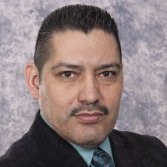
01. Paul Reyes, Energy Future Holdings, Visits #theCUBE!. (00:20)
02. Tell Us About Your Role And What Your Company Does. (00:40)
03. What Is Your Group Asked To Do On The IT Side. (01:35)
04. What Are The Demands Your Getting For The Cloud Like Services. (02:40)
05. How Do You Look At It Differently Between Virtualization And Cloud. (04:29)
06. How Has Security Been Changing. (05:14)
07. What Does Hybrid Cloud Mean To You. (05:55)
08. Chapter 1. (07:53)
09. How Would You Manage Different Cloud Environments. (07:54)
10. Why Did You Choose To Go After The Hard Applications. (08:41)
11. What Is Next For You. (10:46)
12. What Things Do You Point Out To Your Peers To Make It Easier. (11:30)
13. Is The CIO More Involved With You. (13:20)
14. Which Of The Energies Is Most Exciting These Days. (14:25)
Track List created with http://www.vinjavideo.com.
--- ---
How one energy company uses hybrid-cloud to its advantage | #emcworld
by Gabriel Pesek | May 3, 2016
For fist-time attendees to the EMC World event this year, there may be some unexpected fields of business represented in the large number of those giving interviews and presentations, but learning what each one has gained from EMC and cloud technologies can provide a better sense of how to incorporate those utilities into one’s own enterprise.
Paul Reyes, VP of infrastructure management and security services at Energy Future Holdings Corp., joined Stu Miniman (@stu) and Brian Gracely (@bgracely), cohosts of theCUBE, from the SiliconANGLE Media team, and shared his thoughts on business challenges, balancing development with availability and the appeal of automation.
Measuring and management
As Reyes handles managing the compute, network, database and end-user computing in addition to security operations, his experience gives him a strong understanding of the push and pull behind the scenes in sharing business resources.
This ability to compromise was shown in his description of the company’s two business units: “One is time to market; the retail arm is really trying to drive activities that get us to the customer faster,” he said. “Our other business unit is the complete opposite; they want it to be safe, reliable, constantly available to our customers as we constantly generate power for the state. … At the end of the day… I’m always trying to drive cost down while our services are increasing so that we can reinvest that activity.”
Hybrid edge
Underlining the importance of the cloud to his business, Reyes pointed out, “Everything that we run mission-critical is in our hybrid-cloud services.” However, the struggle to improve from that grounding is one in which the enterprise is asking itself: “How do we ensure that we stay within our controls? How do we drive those controls down into an automation factor?” Reyes asked.
“Hybrid cloud, to us, means that we would have the capability to be the broker,” Reyes stated. “If I don’t seem to change the infrastructure and security aspects of my job, in four or five years, it’s going to be obsolete, because we’ve got to change to become a broker of services. … When I think hybrid, I think, ‘How do I manage the difference between them both?’”
He also gave a rundown of what his company sees as the big issues. “The thing that we’re trying to wrap around in our heads is how do I not only provide the brokerage of just the infrastructure itself or the service itself, but also wrap in my security aspects for native applications?” Reyes asked. “How do I understand when things need to be export-compliant based, and so then I have to exclude that from there? It’s figuring out where the controls need to be so that when I provide those services I provide them in the right means.”
Forgot Password
Almost there!
We just sent you a verification email. Please verify your account to gain access to
EMC World 2016 - Las Vegas. If you don’t think you received an email check your
spam folder.
In order to sign in, enter the email address you used to registered for the event. Once completed, you will receive an email with a verification link. Open this link to automatically sign into the site.
Register For EMC World 2016 - Las Vegas
Please fill out the information below. You will recieve an email with a verification link confirming your registration. Click the link to automatically sign into the site.
You’re almost there!
We just sent you a verification email. Please click the verification button in the email. Once your email address is verified, you will have full access to all event content for EMC World 2016 - Las Vegas.
I want my badge and interests to be visible to all attendees.
Checking this box will display your presense on the attendees list, view your profile and allow other attendees to contact you via 1-1 chat. Read the Privacy Policy. At any time, you can choose to disable this preference.
Select your Interests!
add
Upload your photo
Uploading..
OR
Connect via Twitter
Connect via Linkedin
EDIT PASSWORD
Share
Forgot Password
Almost there!
We just sent you a verification email. Please verify your account to gain access to
EMC World 2016 - Las Vegas. If you don’t think you received an email check your
spam folder.
In order to sign in, enter the email address you used to registered for the event. Once completed, you will receive an email with a verification link. Open this link to automatically sign into the site.
Sign in to gain access to EMC World 2016 - Las Vegas
Please sign in with LinkedIn to continue to EMC World 2016 - Las Vegas. Signing in with LinkedIn ensures a professional environment.
Are you sure you want to remove access rights for this user?
Details
Manage Access
email address
Community Invitation
Paul Reyes, Energy Future Holdings | EMC World 2016
Enhanced video at http://vinja.tv/ltqqkK4W
01. Paul Reyes, Energy Future Holdings, Visits #theCUBE!. (00:20)
02. Tell Us About Your Role And What Your Company Does. (00:40)
03. What Is Your Group Asked To Do On The IT Side. (01:35)
04. What Are The Demands Your Getting For The Cloud Like Services. (02:40)
05. How Do You Look At It Differently Between Virtualization And Cloud. (04:29)
06. How Has Security Been Changing. (05:14)
07. What Does Hybrid Cloud Mean To You. (05:55)
08. Chapter 1. (07:53)
09. How Would You Manage Different Cloud Environments. (07:54)
10. Why Did You Choose To Go After The Hard Applications. (08:41)
11. What Is Next For You. (10:46)
12. What Things Do You Point Out To Your Peers To Make It Easier. (11:30)
13. Is The CIO More Involved With You. (13:20)
14. Which Of The Energies Is Most Exciting These Days. (14:25)
Track List created with http://www.vinjavideo.com.
--- ---
How one energy company uses hybrid-cloud to its advantage | #emcworld
by Gabriel Pesek | May 3, 2016
For fist-time attendees to the EMC World event this year, there may be some unexpected fields of business represented in the large number of those giving interviews and presentations, but learning what each one has gained from EMC and cloud technologies can provide a better sense of how to incorporate those utilities into one’s own enterprise.
Paul Reyes, VP of infrastructure management and security services at Energy Future Holdings Corp., joined Stu Miniman (@stu) and Brian Gracely (@bgracely), cohosts of theCUBE, from the SiliconANGLE Media team, and shared his thoughts on business challenges, balancing development with availability and the appeal of automation.
Measuring and management
As Reyes handles managing the compute, network, database and end-user computing in addition to security operations, his experience gives him a strong understanding of the push and pull behind the scenes in sharing business resources.
This ability to compromise was shown in his description of the company’s two business units: “One is time to market; the retail arm is really trying to drive activities that get us to the customer faster,” he said. “Our other business unit is the complete opposite; they want it to be safe, reliable, constantly available to our customers as we constantly generate power for the state. … At the end of the day… I’m always trying to drive cost down while our services are increasing so that we can reinvest that activity.”
Hybrid edge
Underlining the importance of the cloud to his business, Reyes pointed out, “Everything that we run mission-critical is in our hybrid-cloud services.” However, the struggle to improve from that grounding is one in which the enterprise is asking itself: “How do we ensure that we stay within our controls? How do we drive those controls down into an automation factor?” Reyes asked.
“Hybrid cloud, to us, means that we would have the capability to be the broker,” Reyes stated. “If I don’t seem to change the infrastructure and security aspects of my job, in four or five years, it’s going to be obsolete, because we’ve got to change to become a broker of services. … When I think hybrid, I think, ‘How do I manage the difference between them both?’”
He also gave a rundown of what his company sees as the big issues. “The thing that we’re trying to wrap around in our heads is how do I not only provide the brokerage of just the infrastructure itself or the service itself, but also wrap in my security aspects for native applications?” Reyes asked. “How do I understand when things need to be export-compliant based, and so then I have to exclude that from there? It’s figuring out where the controls need to be so that when I provide those services I provide them in the right means.”