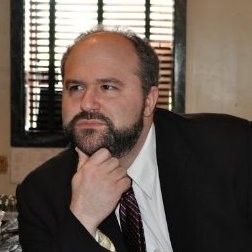
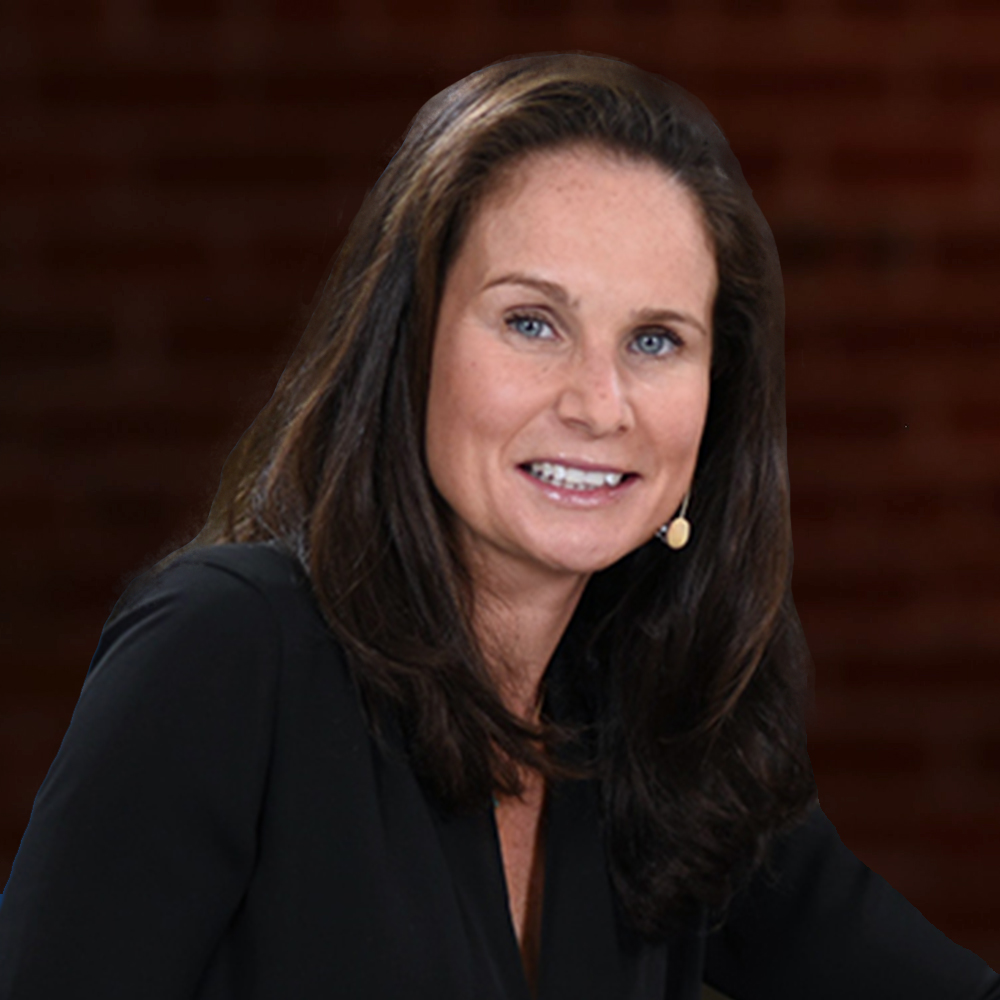
Matt Liebowitz, Dell Technologies Consulting, sits down with Rebecca Knight & Stu Miniman at Dell Tech World 2019 in Las Vegas, NV.
#DellTechWorld #theCUBE
https://siliconangle.com/2019/05/15/qa-say-no-silos-yes-multicloud-integrations-delltechworld/
Q&A: Say no to IT silos and yes to multicloud integrations
Companies often shell out a lot of money to run workloads and applications on various cloud platforms, but achieving a true multicloud infrastructure requires more than financial investments. Also needed is strategic planning based on an organization’s unique challenges and opportunities. Moving away from silos and toward integrations through application programming interfaces is a step in the right direction for companies looking to effectively manage the new data economies in a multicloud world.
“Customers don’t often know where to start, but I think they’re responding to the needs of the business,” said Matt Liebowitz, global multicloud infrastructure lead at Dell EMC, explaining how his clients learn to navigate through a multicloud platform. “I don’t think it’s anything that they’re doing that’s wrong, but it’s a little bit of the Wild West for sure.”
Liebowitz spoke with Stu Miniman (@stu) and Rebecca Knight (@knightrm), co-hosts of theCUBE, SiliconANGLE Media’s mobile livestreaming studio, during the Dell Technologies World event in Las Vegas. They discussed helping companies make sound decisions on driving business value through cloud management (see the full interview with transcript here). (* Disclosure below.)
[Editor’s note: The following answers have been condensed for clarity.]
Knight: We’re going to talk about the stresses of cloud sprawl right now. There’re so many possibilities and solutions. It’s a multicloud world. How do you make sense of it all, and how do you help customers make sense of it?
Liebowitz: The first thing that we typically do is just try to get customers to understand what they have. They’ve got workloads in private cloud. They’ve got workloads in public cloud. We try to do an analysis, figure out what’s where, what’s the best fit, what cloud is most appropriate for each application, and then build a plan to build that infrastructure and get them where they need to be.
Miniman: I want to hear what you’re seeing from customers. When we talk about multicloud, it’s ‘I have a bunch of pieces,’ and it wasn’t necessarily a key strategy. There are so many different layers of the solution to make this innovative.
Liebowitz: The most common thing we see from customers when they say, ‘I’m doing multicloud,’ is they’re actually using more than one cloud, but that’s not really multicloud. You really need to tie it together with a cloud management platform, something that can bring all the pieces together that’s API-enabled so that they can programmatically access resources.
When customers tell us they’ve got multicloud, but they’re really consuming something in Azure and something in AWS, they’ve just created more IT silos. We’re trying to get away from that. They can use all those clouds but wrap it together on that common control plane so you can understand your estate and actually manage and consume it.
Knight: So what best practices have emerged when you’re talking about the digital leader versus the digital laggards? You said they’ve made some investments. They have an idea of where they want to be. What are some of the other things that you’ve seen that really separates them from the pack?
Liebowitz: It’s all about business value and business outcome. The customers that are the most successful have a business reason for what they’re trying to do. They’re not going to public cloud because Gartner said they should. They’re doing it because they know they’re going to get an outcome. They’re going to be able to go into new markets or operate faster, deploy applications faster, things like that. Those are the ones that are further down the line.
I would say the ones that are the laggards are the ones that are just sort of peeking under the covers of what they should do. They’re just starting out. They’ve got some workloads in multiple clouds and they need to get a handle on it, but they’re just starting.
Knight: As a consultant, how are you helping companies implement these new things, because as we know, digital transformation doesn’t really have anything to do with the technology. It’s really about getting employees and customers on board and thinking differently about how they get their jobs done. So how are you helping your customers think through these things?
...
Watch the complete video interview below, and be sure to check out more of SiliconANGLE’s and theCUBE’s coverage of the Dell Technologies World 2019 event. (* Disclosure: Dell Technologies Inc. sponsored this segment of theCUBE. Neither Dell nor other sponsors have editorial control over content on theCUBE or SiliconANGLE.)
Forgot Password
Almost there!
We just sent you a verification email. Please verify your account to gain access to
Dell Technologies World 2019 | Las Vegas. If you don’t think you received an email check your
spam folder.
Sign in to Dell Technologies World 2019 | Las Vegas.
In order to sign in, enter the email address you used to registered for the event. Once completed, you will receive an email with a verification link. Open this link to automatically sign into the site.
Register For Dell Technologies World 2019 | Las Vegas
Please fill out the information below. You will recieve an email with a verification link confirming your registration. Click the link to automatically sign into the site.
You’re almost there!
We just sent you a verification email. Please click the verification button in the email. Once your email address is verified, you will have full access to all event content for Dell Technologies World 2019 | Las Vegas.
I want my badge and interests to be visible to all attendees.
Checking this box will display your presense on the attendees list, view your profile and allow other attendees to contact you via 1-1 chat. Read the Privacy Policy. At any time, you can choose to disable this preference.
Select your Interests!
add
Upload your photo
Uploading..
OR
Connect via Twitter
Connect via Linkedin
EDIT PASSWORD
Share
Forgot Password
Almost there!
We just sent you a verification email. Please verify your account to gain access to
Dell Technologies World 2019 | Las Vegas. If you don’t think you received an email check your
spam folder.
Sign in to Dell Technologies World 2019 | Las Vegas.
In order to sign in, enter the email address you used to registered for the event. Once completed, you will receive an email with a verification link. Open this link to automatically sign into the site.
Sign in to gain access to Dell Technologies World 2019 | Las Vegas
Please sign in with LinkedIn to continue to Dell Technologies World 2019 | Las Vegas. Signing in with LinkedIn ensures a professional environment.
Are you sure you want to remove access rights for this user?
Details
Manage Access
email address
Community Invitation
Matt Liebowitz, Dell Technologies Consulting | Dell Technologies World 2019
Matt Liebowitz, Dell Technologies Consulting, sits down with Rebecca Knight & Stu Miniman at Dell Tech World 2019 in Las Vegas, NV.
#DellTechWorld #theCUBE
https://siliconangle.com/2019/05/15/qa-say-no-silos-yes-multicloud-integrations-delltechworld/
Q&A: Say no to IT silos and yes to multicloud integrations
Companies often shell out a lot of money to run workloads and applications on various cloud platforms, but achieving a true multicloud infrastructure requires more than financial investments. Also needed is strategic planning based on an organization’s unique challenges and opportunities. Moving away from silos and toward integrations through application programming interfaces is a step in the right direction for companies looking to effectively manage the new data economies in a multicloud world.
“Customers don’t often know where to start, but I think they’re responding to the needs of the business,” said Matt Liebowitz, global multicloud infrastructure lead at Dell EMC, explaining how his clients learn to navigate through a multicloud platform. “I don’t think it’s anything that they’re doing that’s wrong, but it’s a little bit of the Wild West for sure.”
Liebowitz spoke with Stu Miniman (@stu) and Rebecca Knight (@knightrm), co-hosts of theCUBE, SiliconANGLE Media’s mobile livestreaming studio, during the Dell Technologies World event in Las Vegas. They discussed helping companies make sound decisions on driving business value through cloud management (see the full interview with transcript here). (* Disclosure below.)
[Editor’s note: The following answers have been condensed for clarity.]
Knight: We’re going to talk about the stresses of cloud sprawl right now. There’re so many possibilities and solutions. It’s a multicloud world. How do you make sense of it all, and how do you help customers make sense of it?
Liebowitz: The first thing that we typically do is just try to get customers to understand what they have. They’ve got workloads in private cloud. They’ve got workloads in public cloud. We try to do an analysis, figure out what’s where, what’s the best fit, what cloud is most appropriate for each application, and then build a plan to build that infrastructure and get them where they need to be.
Miniman: I want to hear what you’re seeing from customers. When we talk about multicloud, it’s ‘I have a bunch of pieces,’ and it wasn’t necessarily a key strategy. There are so many different layers of the solution to make this innovative.
Liebowitz: The most common thing we see from customers when they say, ‘I’m doing multicloud,’ is they’re actually using more than one cloud, but that’s not really multicloud. You really need to tie it together with a cloud management platform, something that can bring all the pieces together that’s API-enabled so that they can programmatically access resources.
When customers tell us they’ve got multicloud, but they’re really consuming something in Azure and something in AWS, they’ve just created more IT silos. We’re trying to get away from that. They can use all those clouds but wrap it together on that common control plane so you can understand your estate and actually manage and consume it.
Knight: So what best practices have emerged when you’re talking about the digital leader versus the digital laggards? You said they’ve made some investments. They have an idea of where they want to be. What are some of the other things that you’ve seen that really separates them from the pack?
Liebowitz: It’s all about business value and business outcome. The customers that are the most successful have a business reason for what they’re trying to do. They’re not going to public cloud because Gartner said they should. They’re doing it because they know they’re going to get an outcome. They’re going to be able to go into new markets or operate faster, deploy applications faster, things like that. Those are the ones that are further down the line.
I would say the ones that are the laggards are the ones that are just sort of peeking under the covers of what they should do. They’re just starting out. They’ve got some workloads in multiple clouds and they need to get a handle on it, but they’re just starting.
Knight: As a consultant, how are you helping companies implement these new things, because as we know, digital transformation doesn’t really have anything to do with the technology. It’s really about getting employees and customers on board and thinking differently about how they get their jobs done. So how are you helping your customers think through these things?
...
Watch the complete video interview below, and be sure to check out more of SiliconANGLE’s and theCUBE’s coverage of the Dell Technologies World 2019 event. (* Disclosure: Dell Technologies Inc. sponsored this segment of theCUBE. Neither Dell nor other sponsors have editorial control over content on theCUBE or SiliconANGLE.)