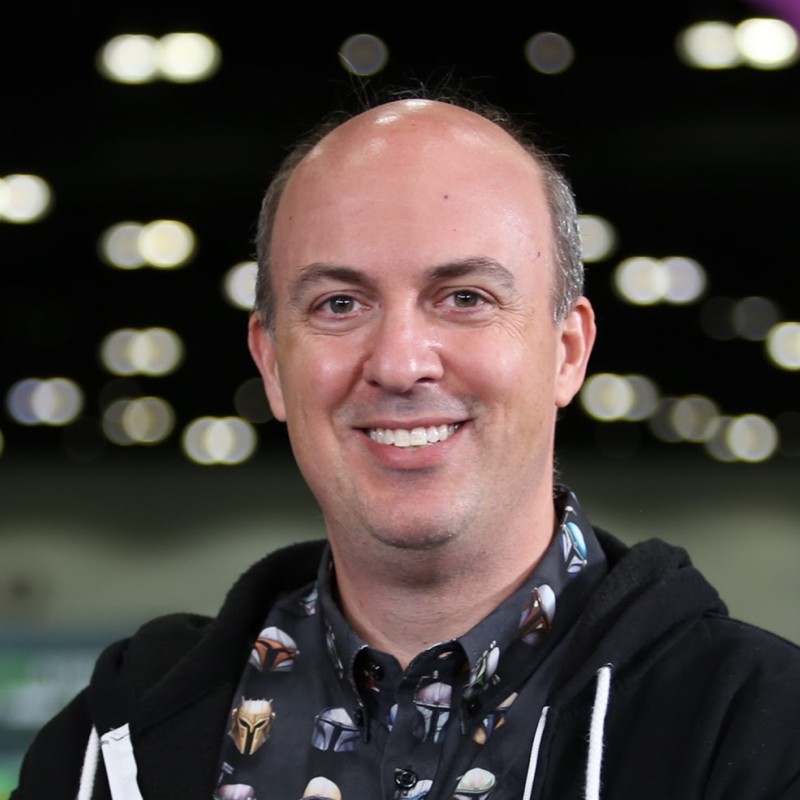
It’s barely a year since Michael Dell took his company private, but already he’s insisting the gamble is paying off. “We’ve got incredible momentum in the business and we’re growing all across the world in every single business,” said Dell in a segment on theCUBE. “It’s a lot of fun, not managing with the 90-day shot clock, being in control of our own destiny, it’s all good.”
Throughout its 29-year history, Dell Inc. has consistently upset the applecart in Silicon Valley. It was during the early 1990s that the Round Rock, Texas-based company emerged as a leading innovator in laptops, helping to make them powerful, portable workhorses of business users all over the world. Despite intense competition from the likes of IBM corp., Sony Corp., Hewlett-Packard Co. and others, Dell achieved remarkably consistent market growth througout the decade.
Things briefly went awry in the mid-2000s when Dell the man quit the CEO job, while Dell the company struggled, first with PC price wars, and later with the rise of tablets and smartphones that strangled demand for its laptops. Shareholders were left begging for Dell to return and restore the company’s fortunes. And that’s exactly what he did, reassuming his role as CEO and vowing to steer the company away from its dependence on PCs.
Since coming back, Dell has built on the company’s ties to its corporate customers and slowly transformed it into leading enterprise IT vendor that’s ready to take on and conquer giants like IBM, HP, Cisco Systems Ltd., and the rest.
“We’re in an incredible time where there’s just an amazing amount of possibilities the impact of technology can have in our world,” said Dell. “You look at what’s going on in the data economy. You look at what’s going on in bio-tech and being able to unlock a lot of the mysteries of health and science with all this computing power. There’s a ton of opportunities and we’ve got plenty on our plate and we’re growing nicely.”
Shaping the digital fabric
Michael Dell
Michael Dell chats with Dave Vellante on theCUBE at Dell World 2014
If anything, that’s an understatement – what Dell really should have said is that there’s never been more opportunities, or better opportunities, for a company like Dell to advance. Dell’s transition comes as we enter a new era of digital infrastructure that Dave Moschella at CSC has termed “a digital fabric”, wherein the traditional vertical industry stack is being replaced by a wave of horizontal services such as compute/store/connect; Identify/secure/transact; Publish/communicate; and Sense/analyze/understand.
Few companies seem to fit into this ‘digital fabric’ quite as well as Dell, which has managed to get its fingers into just about every pie one can find within the data center.
“I was struck when I got here,” said theCUBE host Dave Vellante to Dell. “Networking, flash, converged, Oracle systems, VMware, Docker, NFV, IoT, Big Data, hyperscale, services, security, system management. Beneath these you’ve got an unbelievable portfolio that you’ve amassed.”
And Dell could easily help itself to a much bigger slice of the pie, because it finds itself in the unique position of having money to burn and no-one to answer to.
“It actually costs a lot less to be a private company than a public company,” revealed Dell. “And if you’re managing with a 90-day shot clock, you don’t take a lot of risk because you want to meet that guidance. That’s all gone, we’re accepting risk and placing bets across the business. We’re handing out more money to go and take those risks and invest.”
Forgot Password
Almost there!
We just sent you a verification email. Please verify your account to gain access to
Dell World 2014 | Austin. If you don’t think you received an email check your
spam folder.
In order to sign in, enter the email address you used to registered for the event. Once completed, you will receive an email with a verification link. Open this link to automatically sign into the site.
Register For Dell World 2014 | Austin
Please fill out the information below. You will recieve an email with a verification link confirming your registration. Click the link to automatically sign into the site.
You’re almost there!
We just sent you a verification email. Please click the verification button in the email. Once your email address is verified, you will have full access to all event content for Dell World 2014 | Austin.
I want my badge and interests to be visible to all attendees.
Checking this box will display your presense on the attendees list, view your profile and allow other attendees to contact you via 1-1 chat. Read the Privacy Policy. At any time, you can choose to disable this preference.
Select your Interests!
add
Upload your photo
Uploading..
OR
Connect via Twitter
Connect via Linkedin
EDIT PASSWORD
Share
Forgot Password
Almost there!
We just sent you a verification email. Please verify your account to gain access to
Dell World 2014 | Austin. If you don’t think you received an email check your
spam folder.
In order to sign in, enter the email address you used to registered for the event. Once completed, you will receive an email with a verification link. Open this link to automatically sign into the site.
Sign in to gain access to Dell World 2014 | Austin
Please sign in with LinkedIn to continue to Dell World 2014 | Austin. Signing in with LinkedIn ensures a professional environment.
Are you sure you want to remove access rights for this user?
Details
Manage Access
email address
Community Invitation
Final Wrap - Dell World 2014 - theCUBE
It’s barely a year since Michael Dell took his company private, but already he’s insisting the gamble is paying off. “We’ve got incredible momentum in the business and we’re growing all across the world in every single business,” said Dell in a segment on theCUBE. “It’s a lot of fun, not managing with the 90-day shot clock, being in control of our own destiny, it’s all good.”
Throughout its 29-year history, Dell Inc. has consistently upset the applecart in Silicon Valley. It was during the early 1990s that the Round Rock, Texas-based company emerged as a leading innovator in laptops, helping to make them powerful, portable workhorses of business users all over the world. Despite intense competition from the likes of IBM corp., Sony Corp., Hewlett-Packard Co. and others, Dell achieved remarkably consistent market growth througout the decade.
Things briefly went awry in the mid-2000s when Dell the man quit the CEO job, while Dell the company struggled, first with PC price wars, and later with the rise of tablets and smartphones that strangled demand for its laptops. Shareholders were left begging for Dell to return and restore the company’s fortunes. And that’s exactly what he did, reassuming his role as CEO and vowing to steer the company away from its dependence on PCs.
Since coming back, Dell has built on the company’s ties to its corporate customers and slowly transformed it into leading enterprise IT vendor that’s ready to take on and conquer giants like IBM, HP, Cisco Systems Ltd., and the rest.
“We’re in an incredible time where there’s just an amazing amount of possibilities the impact of technology can have in our world,” said Dell. “You look at what’s going on in the data economy. You look at what’s going on in bio-tech and being able to unlock a lot of the mysteries of health and science with all this computing power. There’s a ton of opportunities and we’ve got plenty on our plate and we’re growing nicely.”
Shaping the digital fabric
Michael Dell
Michael Dell chats with Dave Vellante on theCUBE at Dell World 2014
If anything, that’s an understatement – what Dell really should have said is that there’s never been more opportunities, or better opportunities, for a company like Dell to advance. Dell’s transition comes as we enter a new era of digital infrastructure that Dave Moschella at CSC has termed “a digital fabric”, wherein the traditional vertical industry stack is being replaced by a wave of horizontal services such as compute/store/connect; Identify/secure/transact; Publish/communicate; and Sense/analyze/understand.
Few companies seem to fit into this ‘digital fabric’ quite as well as Dell, which has managed to get its fingers into just about every pie one can find within the data center.
“I was struck when I got here,” said theCUBE host Dave Vellante to Dell. “Networking, flash, converged, Oracle systems, VMware, Docker, NFV, IoT, Big Data, hyperscale, services, security, system management. Beneath these you’ve got an unbelievable portfolio that you’ve amassed.”
And Dell could easily help itself to a much bigger slice of the pie, because it finds itself in the unique position of having money to burn and no-one to answer to.
“It actually costs a lot less to be a private company than a public company,” revealed Dell. “And if you’re managing with a 90-day shot clock, you don’t take a lot of risk because you want to meet that guidance. That’s all gone, we’re accepting risk and placing bets across the business. We’re handing out more money to go and take those risks and invest.”