01. Tjeerd Brink, Pechanga Casino, visits #theCUBE!. (00:19)
02. Pechanga Casino. (00:42)
03. Predictive, Not Reactive. (02:21)
04. How Real-Time Does Data Need to Be?. (06:25)
05. The Big Data Journey for Pechanga. (08:49)
06. Analytics Insight Module. (10:40)
07. The Right Dynamic Between Business Units. (12:35)
08. Casinos and the "internet of Everything". (14:17)
09. The CIO and the CFO. (16:10)
10. Making Money, Saving Money, Reducing Risk. (17:38)
Track List created with http://www.vinjavideo.com.
--- ---
Data caching from games of chance | #DellEMCWorld
by Gabriel Pesek | Oct 19, 2016
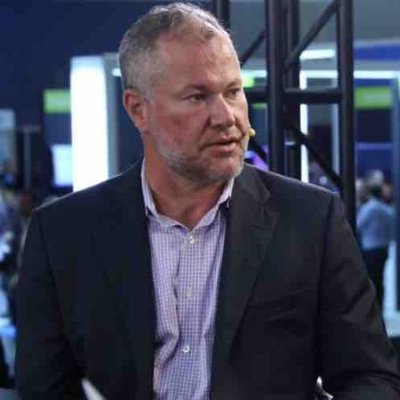
As the wide range of businesses represented by attendees to tech conferences can attest, the uncovering of new applications for established technologies can come from virtually any industry. At the 2016 Dell EMC World conference, Tjeerd Brink, CFO of Pechanga Resort & Casinos, sat down with Dave Vellante (@dvellante) and Stu Miniman (@stu), co-hosts of theCUBE, from the SiliconANGLE Media team, to talk about how his enterprise is applying the technology of data services to the casino experience.
Cache and money
As Brink explained it, Pechanga Resort approached the world of data management and analysis as a way to enhance its existing services, rather than reinvent them. “We’re very, very technology-oriented, always on the cutting edge,” he said. “We know that you have to spend money on your IT infrastructure to be successful in this space, because our business, our industry is very data-driven, and you need the technology to drive the data and to market it properly.”
And as the technology has been deployed, he’s seen definite changes emerging from the results and influencing further applications. “I think the biggest change since we’ve integrated our data lake is the transformation in trying to be predictive in our analytics, and not reactive,” he shared.
“We’ve always had a lot of data at our disposal … we accumulate a lot of data on individual customers, and we’ve marketed to those customers in groups. What we’re trying to do is be more proactive in marketing to the individual, and to predict … how they might react, and how they might behave. That’s where we see the value in our future analytics,” Brink stated.
Data developments
And beyond the engagement with customers, there’s been an improvement in efficiency on the infrastructure side of things. “Part of the benefit now is that there’s one source for our data and its consistency, so the data lake has provided a lot of consistency,” Brink noted.
RELATED: The challenge of visibility for women tech role models | #GHC16
“I think the other key to this whole process is the speed at which we can access the data, and the speed at which we can react to the data, and the speed at which we can make decisions going forward. And that’s probably … one of the biggest advantages to this whole solution,” he said. “We didn’t do this to catch up, we did this to stay ahead.”
Money and power
Being in a role which is traditionally somewhat underrepresented at tech conferences, that of the CFO, Brink was able to share additional points of interest illustrating how tech workers at an enterprise can get the money-holders more interested and supportive of the possibilities with infrastructure upgrades and data utilization.
“As a finance guy, if I have ideas, we will sit with the science team and our marketing and IT folks … and we’ll throw out ideas, and they’ll listen, and you can just see them smile,” Brink said. “And they’ll say, ‘Oh, we should look at that, we can do that! And we can go here to get that data … .’ And they start churning, and … you can see them implementing what we wanna do, and thinking about how they’re gonna get there.”
To Brink, finding ways of bringing together business improvements and competitive tech has been a stimulating journey, one with no end in sight.
Forgot Password
Almost there!
We just sent you a verification email. Please verify your account to gain access to
Dell EMC World 2016 | Austin. If you don’t think you received an email check your
spam folder.
In order to sign in, enter the email address you used to registered for the event. Once completed, you will receive an email with a verification link. Open this link to automatically sign into the site.
Register For Dell EMC World 2016 | Austin
Please fill out the information below. You will recieve an email with a verification link confirming your registration. Click the link to automatically sign into the site.
You’re almost there!
We just sent you a verification email. Please click the verification button in the email. Once your email address is verified, you will have full access to all event content for Dell EMC World 2016 | Austin.
I want my badge and interests to be visible to all attendees.
Checking this box will display your presense on the attendees list, view your profile and allow other attendees to contact you via 1-1 chat. Read the Privacy Policy. At any time, you can choose to disable this preference.
Select your Interests!
add
Upload your photo
Uploading..
OR
Connect via Twitter
Connect via Linkedin
EDIT PASSWORD
Share
Forgot Password
Almost there!
We just sent you a verification email. Please verify your account to gain access to
Dell EMC World 2016 | Austin. If you don’t think you received an email check your
spam folder.
In order to sign in, enter the email address you used to registered for the event. Once completed, you will receive an email with a verification link. Open this link to automatically sign into the site.
Sign in to gain access to Dell EMC World 2016 | Austin
Please sign in with LinkedIn to continue to Dell EMC World 2016 | Austin. Signing in with LinkedIn ensures a professional environment.
Are you sure you want to remove access rights for this user?
Details
Manage Access
email address
Community Invitation
Tjeerd Brink, Pechanga Casino | Dell EMC World 2016
01. Tjeerd Brink, Pechanga Casino, visits #theCUBE!. (00:19)
02. Pechanga Casino. (00:42)
03. Predictive, Not Reactive. (02:21)
04. How Real-Time Does Data Need to Be?. (06:25)
05. The Big Data Journey for Pechanga. (08:49)
06. Analytics Insight Module. (10:40)
07. The Right Dynamic Between Business Units. (12:35)
08. Casinos and the "internet of Everything". (14:17)
09. The CIO and the CFO. (16:10)
10. Making Money, Saving Money, Reducing Risk. (17:38)
Track List created with http://www.vinjavideo.com.
--- ---
Data caching from games of chance | #DellEMCWorld
by Gabriel Pesek | Oct 19, 2016
As the wide range of businesses represented by attendees to tech conferences can attest, the uncovering of new applications for established technologies can come from virtually any industry. At the 2016 Dell EMC World conference, Tjeerd Brink, CFO of Pechanga Resort & Casinos, sat down with Dave Vellante (@dvellante) and Stu Miniman (@stu), co-hosts of theCUBE, from the SiliconANGLE Media team, to talk about how his enterprise is applying the technology of data services to the casino experience.
Cache and money
As Brink explained it, Pechanga Resort approached the world of data management and analysis as a way to enhance its existing services, rather than reinvent them. “We’re very, very technology-oriented, always on the cutting edge,” he said. “We know that you have to spend money on your IT infrastructure to be successful in this space, because our business, our industry is very data-driven, and you need the technology to drive the data and to market it properly.”
And as the technology has been deployed, he’s seen definite changes emerging from the results and influencing further applications. “I think the biggest change since we’ve integrated our data lake is the transformation in trying to be predictive in our analytics, and not reactive,” he shared.
“We’ve always had a lot of data at our disposal … we accumulate a lot of data on individual customers, and we’ve marketed to those customers in groups. What we’re trying to do is be more proactive in marketing to the individual, and to predict … how they might react, and how they might behave. That’s where we see the value in our future analytics,” Brink stated.
Data developments
And beyond the engagement with customers, there’s been an improvement in efficiency on the infrastructure side of things. “Part of the benefit now is that there’s one source for our data and its consistency, so the data lake has provided a lot of consistency,” Brink noted.
RELATED: The challenge of visibility for women tech role models | #GHC16
“I think the other key to this whole process is the speed at which we can access the data, and the speed at which we can react to the data, and the speed at which we can make decisions going forward. And that’s probably … one of the biggest advantages to this whole solution,” he said. “We didn’t do this to catch up, we did this to stay ahead.”
Money and power
Being in a role which is traditionally somewhat underrepresented at tech conferences, that of the CFO, Brink was able to share additional points of interest illustrating how tech workers at an enterprise can get the money-holders more interested and supportive of the possibilities with infrastructure upgrades and data utilization.
“As a finance guy, if I have ideas, we will sit with the science team and our marketing and IT folks … and we’ll throw out ideas, and they’ll listen, and you can just see them smile,” Brink said. “And they’ll say, ‘Oh, we should look at that, we can do that! And we can go here to get that data … .’ And they start churning, and … you can see them implementing what we wanna do, and thinking about how they’re gonna get there.”
To Brink, finding ways of bringing together business improvements and competitive tech has been a stimulating journey, one with no end in sight.