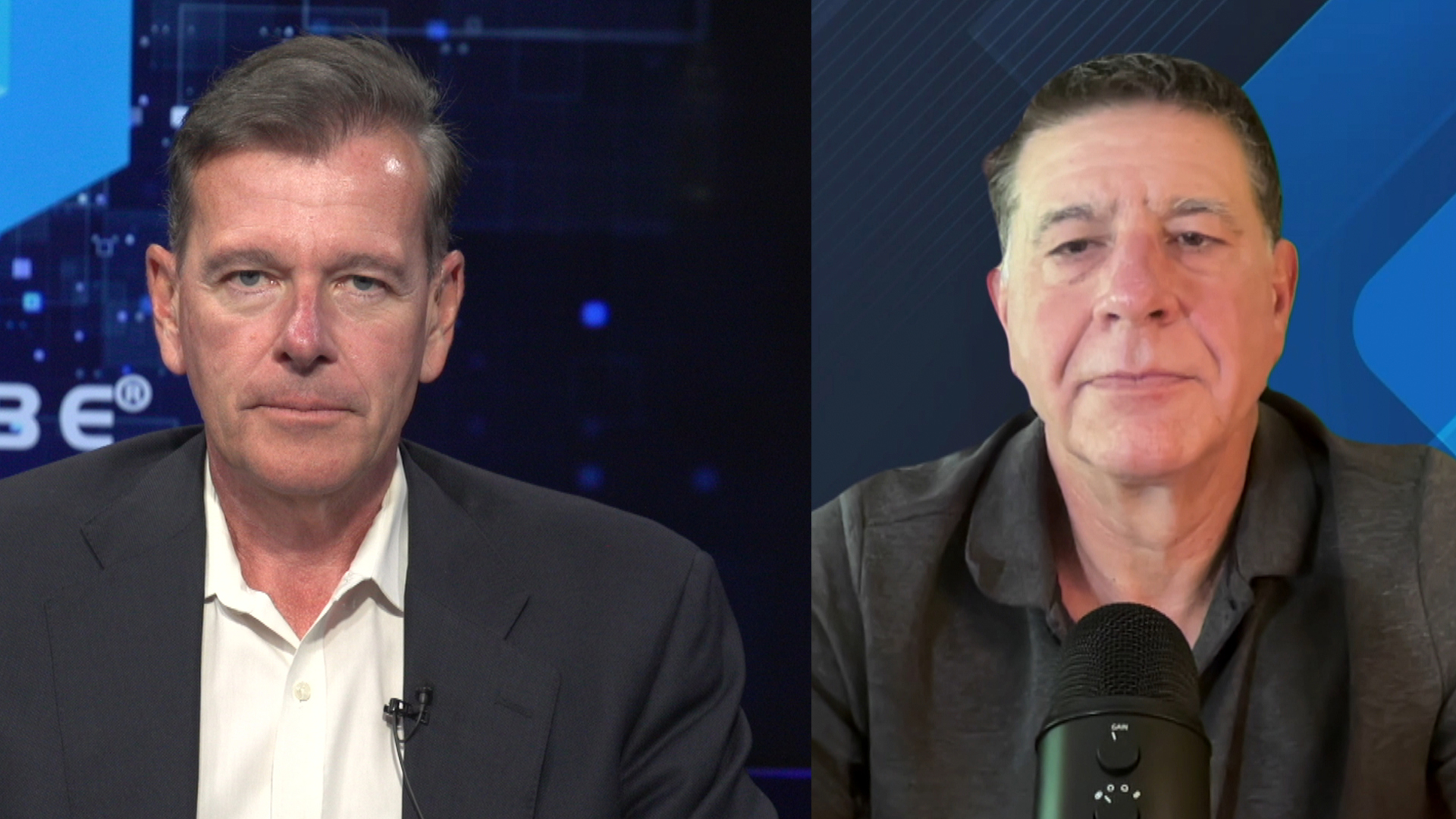
Explore the intersection of data protection and AI at the Data Protection & AI Summit, where experts examine the nuanced relationship between data safeguarding and artificial intelligence. Christophe Bertrand, a principal analyst at theCUBE Research, discusses these critical themes with Scott Hebner, who also serves as a principal analyst with a focus on AI at theCUBE Research.
In this insightful session, Hebner draws on their extensive experience to underscore the essential role of data protection within AI ecosystems. They explain AI's effectiveness hinges on the quality and security of the data it processes, emphasizing the foundational importance of a strong data protection strategy. Bertrand facilitates this dialogue and notes the dual significance of AI in enhancing data security while also necessitating robust protective measures.
Key insights from the discussion include Hebner's emphasis on the inseparable link between data integrity and AI success, noting that 95 percent of enterprise data remains unprepared for AI applications. Both analysts explore how AI can function as both a defense mechanism against cyber threats and an enhancer of data management capabilities. According to Hebner, addressing these challenges involves building trust in data through improved governance, regulatory compliance, and innovative AI applications.
Forgot Password
Almost there!
We just sent you a verification email. Please verify your account to gain access to
Data Protection & AI Summit. If you don’t think you received an email check your
spam folder.
In order to sign in, enter the email address you used to registered for the event. Once completed, you will receive an email with a verification link. Open this link to automatically sign into the site.
Register For Data Protection & AI Summit
Please fill out the information below. You will recieve an email with a verification link confirming your registration. Click the link to automatically sign into the site.
You’re almost there!
We just sent you a verification email. Please click the verification button in the email. Once your email address is verified, you will have full access to all event content for Data Protection & AI Summit.
I want my badge and interests to be visible to all attendees.
Checking this box will display your presense on the attendees list, view your profile and allow other attendees to contact you via 1-1 chat. Read the Privacy Policy. At any time, you can choose to disable this preference.
Select your Interests!
add
Upload your photo
Uploading..
OR
Connect via Twitter
Connect via Linkedin
EDIT PASSWORD
Share
Forgot Password
Almost there!
We just sent you a verification email. Please verify your account to gain access to
Data Protection & AI Summit. If you don’t think you received an email check your
spam folder.
In order to sign in, enter the email address you used to registered for the event. Once completed, you will receive an email with a verification link. Open this link to automatically sign into the site.
Sign in to gain access to Data Protection & AI Summit
Please sign in with LinkedIn to continue to Data Protection & AI Summit. Signing in with LinkedIn ensures a professional environment.
Are you sure you want to remove access rights for this user?
Details
Manage Access
email address
Community Invitation
Data Protection & AI Summit AnalystANGLE w/ Scott Hebner
Explore the intersection of data protection and AI at the Data Protection & AI Summit, where experts examine the nuanced relationship between data safeguarding and artificial intelligence. Christophe Bertrand, a principal analyst at theCUBE Research, discusses these critical themes with Scott Hebner, who also serves as a principal analyst with a focus on AI at theCUBE Research.
In this insightful session, Hebner draws on their extensive experience to underscore the essential role of data protection within AI ecosystems. They explain AI's effectiveness hinges on the quality and security of the data it processes, emphasizing the foundational importance of a strong data protection strategy. Bertrand facilitates this dialogue and notes the dual significance of AI in enhancing data security while also necessitating robust protective measures.
Key insights from the discussion include Hebner's emphasis on the inseparable link between data integrity and AI success, noting that 95 percent of enterprise data remains unprepared for AI applications. Both analysts explore how AI can function as both a defense mechanism against cyber threats and an enhancer of data management capabilities. According to Hebner, addressing these challenges involves building trust in data through improved governance, regulatory compliance, and innovative AI applications.
Data Protection & AI Summit AnalystANGLE w/ Scott Hebner
Christophe Bertrand
Principal AnalystSiliconANGLE & theCUBE
HOST
Scott Hebner
Principal Analyst, AItheCUBE Research
HOST
In this Analyst Angle segment from the Data Protection + AI Summit, Christophe Bertrand, principal analyst at theCUBE Research, sits down with colleague Scott Hebner to map the new data protection playbook for AI driven enterprises. The conversation examines why there is no AI without a resilient information architecture and dissects the two sides of the same coin: protecting data for AI use and harnessing AI to fortify cyber resilience.
Hebner notes that 95 percent of enterprise data is still off limits to AI and only 38 percent of leaders trust the d...Read more
exploreKeep Exploring
What key considerations should be taken into account when embarking on AI projects, especially regarding environmental protection and data management?add
What are some challenges organizations face in utilizing their data for AI projects?add
What should be considered when developing AI infrastructure and ensuring data protection?add
What are the potential roles of AI in managing and securing data for organizations?add
Data Protection & AI Summit AnalystANGLE w/ Scott Hebner
search
Christophe Bertrand
>> Hello everyone and welcome to the Data Protection & AI Summit. My name is Christophe Bertrand. I'm a principal analyst
here at theCUBE Research, and this session is what
we call an analyst angle. I'm going to talk about what's
going on in the industry with one of my colleagues,
Scott Hebner. Scott, welcome.
Scott Hebner
>> Thank you so much for having me.
Christophe Bertrand
>> So Scott is our principal
analyst focused on ai, and of course, well, I
focus on data protection, cyber resilience, data management. So we're going to chat
about what's going on and the multiple facets
of data protection and AI and what this is all about. So Scott, let me start by
asking you a simple question, which is, why should people
worry about data protection when they think about AI? What's your take?
Scott Hebner
>> Well, as you know, the
lifeblood of AI is data. There's no AI without an IA, IA being an information architecture. So the data is the critical
component of any AI system. And so that data has to
be of the highest quality. It has to have integrity built into it on how it's processed, how it's used, and most importantly,
it's got to be protected. Both regulatory and from various threats that may be out there. So any good long-term AI
strategy is going to start with your data layer, and
that includes data protection.
Christophe Bertrand
>> Absolutely, and this is very important because what you've just
said I think is fundamental and in my opinion today,
a lot of people embark on AI projects, infrastructure
projects, data projects, lots of different initiatives are in play, but they may not be thinking
about how to protect and how to recover the environment
should it be necessary. So really in terms of what's
going on in the industry, what we're going to be looking
at throughout the summit is two sides of the same coin. So what we were just discussing,
how do you protect the data essentially for AI purposes? But also how you can
leverage AI in the context of data protection. So we have a number of great
speakers throughout the summit who will cover both topics with us. Scott, let's talk about what
you first identified for us, which is, okay, there
is no good AI without essentially a good
information architecture and really data that is protected. So what does that take
from your standpoint? Where does it start? What
do you see as maybe some of the shortcomings today
that would make you say, well, we're just getting started,
we're not ready yet?
Scott Hebner
>> Well, if you look at the
vast majority of the data that an organization sits on, the proprietary enterprise
data, very little of it is actually used today in general, and even less is used in their AI. And when you kind of dive a little bit deeper
into these AI projects, you find out that it's
because they're not sure how to protect it, right? It's a risk assessment. So the data's there, but it's
not ready to be used for AI. And we estimate some 95% of an enterprise's data
is just simply not ready. And protection's a big part of that. So what's happening is
AI models, AI agents, things are getting created out there, but they're only using a subset
of the data it really needs because it's simply not ready, and therefore it's not quite as effective of an AI capability as it could be. So that's why it's so
critical to start there. And I've done a lot of work over the years and analyzing why some AI projects fail, and invariably it comes down to the data. Some organizations have
built the most sophisticated, eloquent AI capabilities, but the data that feeds
it wasn't good enough, didn't have the integrity,
or there wasn't enough of it. So I think it's a huge
challenge for any organization that wants a high integrity, a high productivity solution around AI.
Christophe Bertrand
>> And you've mentioned the fact that the data has to be protected. So if we break this down, there are multiple issues at play here. But look, we know that AI is happening. Projects are going to get
better, things are going to get better, but what you need to think about is really
protecting your data assets as you think about you
want to make them reusable or intelligent for data reuse for AI. So you have multiple trends intersecting each other
that I want to break down. So the baseline is this,
AI is important to you as a workflow, it's important
to you as a workload, and important to you as a business. For this reason, anything that is part of AI infrastructure has to be protected. I think that's the baseline.
Don't make it a second thought. It is actually a design requirement. I think the reason why issues come up is because that's not
something that's considered. And by the way, we've seen
that in many new workloads or workflows throughout the years and waves of technology. The other piece is, and that's where the intersection starts, is also the data has to
be actually okay to use or reuse, which is where
we get into governance and compliance questions. By the way, compliance very,
very often means two things. It means you have to have a
backup to be able to recover, and it means you have to
be cyber resilient too. So that's the third
intersection, cyber resilience. So we get essentially a
perfect storm here for a lot of organizations trying
to really think about ai, and that's why we have this summit because we believe that data
protection is a fundamental stone or foundational stone to being able to build an infrastructure
that is AI friendly, AI compliant, and AI resilient as well. The other part that I want to talk about, and you just mentioned
Scott, the agentic component. Okay, in time agents are
going to be acting almost as individuals manipulating
data, doing stuff with IT for business outcomes, for
process outcomes, maybe talking to each other, making
decisions for the business. What is the risk here for data itself? Could agents go nuts or be misconfigured and essentially destroy data?
Scott Hebner
>> Well, yeah, I think you're
upping the stakes when you move into agentic AI. Most businesses today would
have either predictive models that are going to make a prediction of what may happen in the future
based on their past data, what has happened in the past, or they're using generative AI assistant that is basically designed
to automate tasks, right? Repeatable tasks, to create
content, to analyze information. Those are relatively low
risk activities for people to do within a business. With agents though they're
supposed to help you pursue a goal, help you make actual
business critical decisions, help you solve a problem
and even act autonomously. So when you get into the
world of decision-making, the stakes become much higher. And you also got to keep in mind that these AI systems are
just going to create more data that has to then go back
into the life cycle. So data protection I think is
not just you scan the data, you make sure it's what you want it to be, and then you go away. It's got to be continuous.
It's always being fed here. So I think, again, I almost
think of it as the bloodline. It flows through the AI system and you got to keep your blood healthy and healthy means in large part protected. So it's a living organism, if you will. It always has to be monitored, and that's where I think a new phase of governance is be implemented here. And I'm sure we'll get into the volumes of data which make it even
harder soon, right, Christophe?
Christophe Bertrand
>> Absolutely. So actually it's interesting because we were chatting
on your podcast recently and we'll provide links to our
viewers, this great podcast. We were talking about governance, we're talking about
also the volume of data that will be created. So again, I think people
have to understand here, everything's fun and games until
you add at scale at the end of the sentence, and this is a scale game. Scott, if I'm not mistaken. We are looking, in the
next few years, at hundreds of zettabytes of new data, very likely being generated by AI itself. So as we think about
protecting what we already have to be able to support current initiatives, and clearly there are
lots of issues already. There is more to come and
there is more to go protect. What were those numbers at a high level? Actually didn't me bring
up maybe a quick chart here that we have that I think you sourced from a number
of sources, SAP, McKinsey, IDC, number of organizations. What does it tell us exactly?
Scott Hebner
>> Well, this is telling us, and this is a projection
based on those sources. That if you look at the newly
generated data within an organization, so this does not
include what already exists, you can see just a rapid growth each year. You're starting to
approach exponential here. And at the same time, if
you think about it, only so much human involvement and traditional governance
platforms can handle that kind of growth. So that's going to lead us
to, well, you need to apply AI to help actually govern the data. But more importantly on this
chart I think is the red line that today only about
38% of business leaders and users trust the data that
they're making decisions off of or doing analytics on. So that's just whether it's perception or reality, in some ways
it doesn't matter, only 40% of them actually trust the data. If you kind of build that out over time, and if the data newly generated
data grows at the rate of the blue bars, you can
extrapolate here that the trust in that data is just going to nosedive here. So you could potentially get to 2030, and have less than 20%
of your stakeholders and users trusting the data they're using unless something's done differently.
Christophe Bertrand
>> And this is a topic that
definitely we'll pick up on in the next few weeks in another summit around data governance and AI. But the point being here, just looking at protecting 277 zettabytes, and who knows if that number
is even going to be correct, is probably going to be
more, if you want my opinion. It becomes something that
you must think about now. Because the truth is, data
that is not protected is data that is very likely not compliant and you introduce business risk. So this is the part where, okay, I have to protect this AI infrastructure. And again, we'll have
some great discussions. I will just hint that one of the conversations we
will have is around tape for example, because how
do you think you're going to store all of that data and you'd better have a
great medium to do so. And we have also great sponsors and vendors who are coming today to talk about other
aspects associated with AI. So I'd like to switch
to that with you, Scott, and get your perspective because I mentioned
those three big trends, intersecting data management,
compliance, governance, protection for the purpose of recovery and also cyber resilience. And clearly AI can actually be your friend if you think about all of the investments being
made now on the vendor side to automate, to make
solutions more efficient, more operationally
successful at protecting data, there is a positive aspect to AI and I expect agent-IC AI
will be part of that as well. So what's your take on how AI can help better fight the cyber attackers who
themselves probably use AI, help vendors who provide
recovery capabilities and services better provide
those services at scale, given the zettabytes we're looking at, what's your take on this and what do you think the architecture
may look like in terms of what these organizations decide to go for?
Scott Hebner
>> Well, Christophe, as you
and I have been talking a lot. AI can become a friend or a foe, and it's probably going to be both. So you got to keep an eye on the foe part, which is more sophisticated threats, and sometimes you got
to fight fire with fire. So you're going to need AI to
protect against those threats. But at the same time, I think
if you just think about the volumes of data getting
generated that we talked about, you're going to need AI to be able to efficiently process all
that data, sort through it and determine how to protect it, how to ensure the integrity of it. And if that data is always
changing, the life cycle of the value of data is
shortening every day that goes by. And so it becomes a very
dynamic environment. And I think first of all, AI
is the way to deal with these very, very large volumes of data and the complexity of how
that data is structured. And I think the second thing
is it's going to learn from that data and start to understand what is really quality data, what is protected and what is not. And then it will learn
from that and come back and do it better next time. So as the system builds
over time, it becomes better and better at what it does. And so I do think building in a ai, let's call architecture
that underpins governance and trust management, those frameworks including protection and regulatory compliance and corporate policy is really, sometimes you wonder if
it becomes table stakes. I mean, it's just something
that you have to do otherwise how are you going
to keep up with all this? It's moving at warp speed here. So there's got to be like we showed before on that chart you showed
there's got to be a new way of doing it, otherwise you're
simply going to fall behind and maybe never be able to catch up.
Christophe Bertrand
>> Exactly. And I think that's risk. And more importantly it's business risk because that means you have
non-compliant systems, non- compliant data potentially. You can also be attacked
again from the outside with prompt injections trying to get into your own AI processes. So what we're seeing here
is this snowball effect. There's AI creating more
AI data, data that has to be protected from by design, but also a great possibility or set of great possibilities
with AI becoming your friend to be able to manage this
amount, enormous amount of data that is being created and will be created in the next few years. I mean, we're talking projections
that are only 10 years, not even 10 years out, and it's multiplying
by significant amounts. So one thing that I know that we've talked about in the past, and I'd like to share today
as we just set the stage for just the broader picture,
the bigger picture is the chain, what we call the
chain link of challenges. And that's definitely a model
that you've proposed here, four stages that
organizations can actually use data identification, governing at scale for access, and of course with the
objective that in the end what you get is trusted AI so that you can mitigate your risks. So let's talk about these stages briefly, Scott, from your standpoint. I would say data protection,
we should maybe add it on the left-hand side, but it's really throughout
the four stages you have to have well-protected data processes, agents, and of course all the way throughout not only protected but compliant, bearing in
mind that most of the data, as you point out, is not ready and most of it is not
even compliant for AI. So walk us through this
from your standpoint.
Scott Hebner
>> On the left-hand side,
I think it starts with what data is most important, because perhaps not all of it is. And for any high dimensional
space, like if you're doing AI for financial services or life sciences or even for very complex
international operations, different aspects of data have different
influences on the outcome. So I think identifying
the data, classifying it, making sense of it if you will, and really sorting through
what is most important. It's not like the human brain
when you're in REM sleep and you're sleeping, it sorts through all the information
you took in during the day and it kind of stores only what it considers to be
the important things. So I think it starts with that. The scale governance is then just because you've identified
it and classified, it doesn't necessarily mean
that it's ready to be used. And I think Christophe, that's where the protected data comes in because it's only governed
if it's protected. And you're scaling the
ability for people to use it. Whether it be an AI model,
an AI agent, a human being, a business analyst, a business partner, whatever it might be, you have
to be able to scale all that. And when I kind of look at AI
use cases so far, I mean most of it's been dominated by
marketing and customer service, but when you look in the
area of IT, the use of AI and application development
has really scaled up over the last couple of years
followed by IT operations. I think data protection
is probably the next area of scale up within IT of using AI. And that's going to do a lot. I think too, as we've
just been discussing, the two chain links or circles on the left-hand
side of the chart here. And then once you have
the bloodline healthy and you get your metabolic tests at Quest or whatever and everything is, your data is great, there's still challenges on
the other side of the coin, which is now I got to
have trusted AI models. And that's a whole bunch
of different things. That could be, how does user
trust it? Is it explainable? Can you interpret it? Can you trace it? Can you audit how it's
making decisions or whatever? And then of course, everyone
is now operating in this incredibly fast-moving
regulatory landscape. I think we talked last time,
Christophe, that seventy- plus countries now have
over a thousand different regulations and they're growing by 20, 25% every year and they're always adapting. So how do you keep
track of all this stuff? I think that's the concept that we came up with together here about this chain link. Solving one of them's not going to do it. You really got to think about all four of these at a minimum. Otherwise, you're going to break the chain of value or protection.
Christophe Bertrand
>> Exactly. And that's why, I mean really if there is
one statement everybody has to remember, it's really
two sides of the same coin, which is you need strong data protection
principles in place in order to really benefit and
launch into AI projects. It's really the baseline has
to be thought through, has to be done by design. You have to protect
against the cyber attackers who are themselves using AI. And that's why you have to find solutions that are really appropriate for that. That may be themselves, and we'll talk about that,
use AI to really help detonate all these threats to analyze them to better protect you. Of course, you have to be able to recover all of the components. And by definition that helps
in making you compliant. Now we'll see what the
regulations really end up doing, and that's a topic we'll cover. I think it's at the end of
September in our data Governance and AI Summit. So stay tuned for that
in the next few weeks. But I think this will be
a very interesting set of conversations because
everything is intertwined. I think those three big
trends that I mentioned, cyber resiliency, data management, and by the way, unstructured
data, unstructured data, plenty of it, plenty that needs
to be governed, plenty that you're going to need for AI. And of course data protection. All of these components
are merging, combining. So there's definitely lots here to cover. And that's to be able to
fully get to that level of AI you can trust. AI that will very likely
change your business, but there's a lot of work ahead and that's
what we want to do. The Summit is one of the first
steps in helping you getting to this AI Nirvana. It's going to take a while, but let's get data protection done right. Let's understand how to leverage AI and data protection, how
to protect AI itself. And if we can do that and expose
some of the great solutions that exist today, I think
it will be really good. It will be definitely a good
day and time well spent. Scott, I'd like to thank you
so much for your insights. They're invaluable. And we'll talk again in the next few weeks in
another Summit about the governance components.
Scott Hebner
>> Thanks so much. It's always
great talking with you.
Christophe Bertrand
>> Thank you everybody, and we'll see you on the next session. Stay tuned. There's plenty to cover here in the Data
Protection & AI Summit. My name is Christophe Bertrand, principal Analyst at theCUBE Research. Thank you.