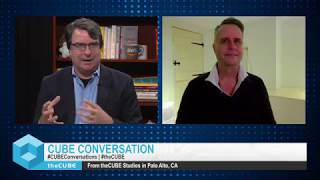
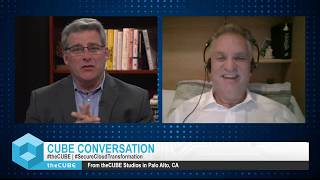
Yaron Haviv, Founder & CTO, Iguazio sits down with Jim Kobielus for a CUBEConversation at theCUBE Studio in Palo Alto, CA.
#CUBEConversation #theCUBE #Iguazio
https://siliconangle.com/2019/04/26/qa-tech-convergence-brings-roi-opportunity-for-enterprise-cubeconversations/
Q&A: Integrated AI, serverless tech and more bring new ROI opportunities
BY BETSY AMY-VOGT
Data science is coming out of the laboratory and into the boardroom. As innovative computing technologies such as cloud, serverless architecture, real-time streaming, and artificial intelligence mature, they are set to converge in a perfect storm of business opportunity.
“Where the impact on the business is happening is when you actually integrate AI in chatbots, in recommendation engines, in doing predictive analytics, in analyzing failures and saving those failures — and saving people’s lives,” said Yaron Haviv (pictured), founder and chief technology officer of Iguazio Ltd.
In a CUBE Conversation spanning the globe, Haviv spoke via livestream from Tel Aviv, Israel, with Jim Kobielus (@jameskobielus), host of theCUBE and lead Wikibon Inc. analyst, at theCUBE’s studio in Palo Alto, California. The conversation centered on the convergence of new technologies such as cloud, serverless, real-time streaming analytics, and data science and the possibilities that it opens for visionary enterprise (see the full interview with transcript here). (* Disclosure below.)
[Editor’s note: The following answers have been condensed for clarity.]
Welcome Yaron. You always have something interesting and new to share about what Iguazio is doing in the areas of cloud, serverless, and real-time streaming analytics — and now data science. Can you give us a broad perspective on the possibilities enabled by the convergence of those technologies?
Haviv: Traditional analytics and even data science started in research labs. Now people are trying to make real ROI from AI and data science, so they have to plug it within business applications. So, it’s not just a data scientist sitting in a silo that generates some insights and rushes to the boss and says: “You know what, we could have made some money, a year ago, if we’d done something!”
That doesn’t make a lot of impact on the business. Where the impact on the business is happening is when you integrate AI in chatbots, in recommendation engines, in doing predictive analytics on analyzing failures and saving those failures and saving people’s life. Those kind of use cases require a tighter integration between the application, the data, and algorithms that come from the AI, and that’s where we started to think about our platform.
We worked on the real-time data, which is where when you’re going into more production environment and not data lakes, you need very good, very fast integration with data. We had this fast computation layer, which was microservices from day one, and that is allowing people to build those intelligent applications that are integrated into the business applications.
The biggest challenges I see today for organizations is moving from doing research on historical data and translating that into a business application or into impact on business applications. This is where people can spend a year. I’ve seen a tweet, saying: ‘We’ve built a machine learning model in a few weeks and now we waited 11 months for the productization of that artifact.’
Iguazio has been through several incarnations as a continuous data platform, intelligent edge platform, a serverless platform, and now I see that you’re a bit of a data science workbench. Can you connect those dots? What is Iguazio’s portfolio?
Haviv: They’re all nice marketing terms for this technology we’ve built. When we started, when we said continuous analytics, we meant feeding data in, running some of them, spitting some results out. This was opposed to the trend of Hadoop, which was a data lake where you throw data in, then you run the batch analytics, and a few days later you come up with some insights. So continuous analytics was a term that we came up to describe taking data in from different sources, crunching it through algorithms, and generating triggers and actions or response to user requests. That was unique and pioneering in this industry even before they called it streaming or real-time data science.
...
Watch the complete video interview below, and be sure to check out more of SiliconANGLE’s and theCUBE’s CUBE Conversations. (* Disclosure: Iguazio Ltd. sponsored this segment of theCUBE. Neither Iguazio nor other sponsors have editorial control over content on theCUBE or SiliconANGLE.)
Forgot Password
Almost there!
We just sent you a verification email. Please verify your account to gain access to
CUBE Conversations - Q1 2019. If you don’t think you received an email check your
spam folder.
In order to sign in, enter the email address you used to registered for the event. Once completed, you will receive an email with a verification link. Open this link to automatically sign into the site.
Register For CUBE Conversations - Q1 2019
Please fill out the information below. You will recieve an email with a verification link confirming your registration. Click the link to automatically sign into the site.
You’re almost there!
We just sent you a verification email. Please click the verification button in the email. Once your email address is verified, you will have full access to all event content for CUBE Conversations - Q1 2019.
I want my badge and interests to be visible to all attendees.
Checking this box will display your presense on the attendees list, view your profile and allow other attendees to contact you via 1-1 chat. Read the Privacy Policy. At any time, you can choose to disable this preference.
Select your Interests!
add
Upload your photo
Uploading..
OR
Connect via Twitter
Connect via Linkedin
EDIT PASSWORD
Share
Forgot Password
Almost there!
We just sent you a verification email. Please verify your account to gain access to
CUBE Conversations - Q1 2019. If you don’t think you received an email check your
spam folder.
In order to sign in, enter the email address you used to registered for the event. Once completed, you will receive an email with a verification link. Open this link to automatically sign into the site.
Sign in to gain access to CUBE Conversations - Q1 2019
Please sign in with LinkedIn to continue to CUBE Conversations - Q1 2019. Signing in with LinkedIn ensures a professional environment.
Are you sure you want to remove access rights for this user?
Details
Manage Access
email address
Community Invitation
Yaron Haviv, Iguazio | CUBEConversation, April 2019
Yaron Haviv, Founder & CTO, Iguazio sits down with Jim Kobielus for a CUBEConversation at theCUBE Studio in Palo Alto, CA.
#CUBEConversation #theCUBE #Iguazio
https://siliconangle.com/2019/04/26/qa-tech-convergence-brings-roi-opportunity-for-enterprise-cubeconversations/
Q&A: Integrated AI, serverless tech and more bring new ROI opportunities
BY BETSY AMY-VOGT
Data science is coming out of the laboratory and into the boardroom. As innovative computing technologies such as cloud, serverless architecture, real-time streaming, and artificial intelligence mature, they are set to converge in a perfect storm of business opportunity.
“Where the impact on the business is happening is when you actually integrate AI in chatbots, in recommendation engines, in doing predictive analytics, in analyzing failures and saving those failures — and saving people’s lives,” said Yaron Haviv (pictured), founder and chief technology officer of Iguazio Ltd.
In a CUBE Conversation spanning the globe, Haviv spoke via livestream from Tel Aviv, Israel, with Jim Kobielus (@jameskobielus), host of theCUBE and lead Wikibon Inc. analyst, at theCUBE’s studio in Palo Alto, California. The conversation centered on the convergence of new technologies such as cloud, serverless, real-time streaming analytics, and data science and the possibilities that it opens for visionary enterprise (see the full interview with transcript here). (* Disclosure below.)
[Editor’s note: The following answers have been condensed for clarity.]
Welcome Yaron. You always have something interesting and new to share about what Iguazio is doing in the areas of cloud, serverless, and real-time streaming analytics — and now data science. Can you give us a broad perspective on the possibilities enabled by the convergence of those technologies?
Haviv: Traditional analytics and even data science started in research labs. Now people are trying to make real ROI from AI and data science, so they have to plug it within business applications. So, it’s not just a data scientist sitting in a silo that generates some insights and rushes to the boss and says: “You know what, we could have made some money, a year ago, if we’d done something!”
That doesn’t make a lot of impact on the business. Where the impact on the business is happening is when you integrate AI in chatbots, in recommendation engines, in doing predictive analytics on analyzing failures and saving those failures and saving people’s life. Those kind of use cases require a tighter integration between the application, the data, and algorithms that come from the AI, and that’s where we started to think about our platform.
We worked on the real-time data, which is where when you’re going into more production environment and not data lakes, you need very good, very fast integration with data. We had this fast computation layer, which was microservices from day one, and that is allowing people to build those intelligent applications that are integrated into the business applications.
The biggest challenges I see today for organizations is moving from doing research on historical data and translating that into a business application or into impact on business applications. This is where people can spend a year. I’ve seen a tweet, saying: ‘We’ve built a machine learning model in a few weeks and now we waited 11 months for the productization of that artifact.’
Iguazio has been through several incarnations as a continuous data platform, intelligent edge platform, a serverless platform, and now I see that you’re a bit of a data science workbench. Can you connect those dots? What is Iguazio’s portfolio?
Haviv: They’re all nice marketing terms for this technology we’ve built. When we started, when we said continuous analytics, we meant feeding data in, running some of them, spitting some results out. This was opposed to the trend of Hadoop, which was a data lake where you throw data in, then you run the batch analytics, and a few days later you come up with some insights. So continuous analytics was a term that we came up to describe taking data in from different sources, crunching it through algorithms, and generating triggers and actions or response to user requests. That was unique and pioneering in this industry even before they called it streaming or real-time data science.
...
Watch the complete video interview below, and be sure to check out more of SiliconANGLE’s and theCUBE’s CUBE Conversations. (* Disclosure: Iguazio Ltd. sponsored this segment of theCUBE. Neither Iguazio nor other sponsors have editorial control over content on theCUBE or SiliconANGLE.)