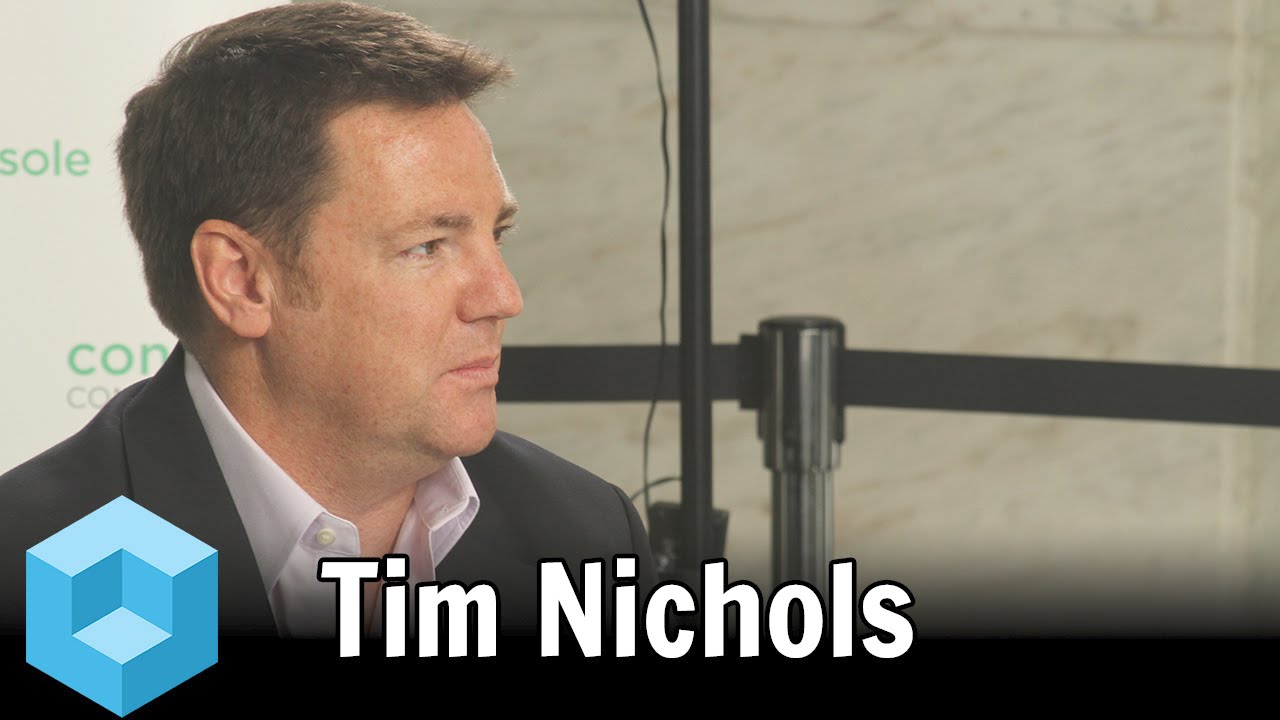
01. Tim Nichols, RagingWire Enterprise Solutions, Visits theCUBE at #ccl2015 . (00:23)
02. What Does RagingWire Do?. (00:42)
03. How Does What Console Connect Offers Relate to What You Offer Customers?. (01:21)
04. What Lead to Offering the Wrong Service?. (02:51)
05. What are the Top Conversations You have with Customers?. (03:48)
06. Are Megacenters Going to Disappear?. (05:38)
07. Is there a Preferred Location to Build a Data Center?. (07:010)
08. What Costs are Involved?. (08:40)
09. What's Next for RagingWire?. (09:44)
10. How Does Competition Continue to Evolve?. (10:14)
11. What is Console Connect Live 2015 All About?. (11:39)
#theCUBE #RagingWire #SiliconANGLE
--- ---
Network power demands force companies to grow and adapt | #CCL2015
by Nelson Williams | Sep 9, 2015
Computer networking is the glue that holds the tech world together, but all those cables and wires don’t run themselves. It takes dedicated companies and expert businesses to bring together the knowledge and hardware that forms the foundation of the networking ecosystem.
To explore the business aspect of networking, John Furrier and Jeff Frick, cohosts of theCUBE, from the SiliconANGLE Media team, joined Tim Nicols, VP of channel sales and business development for RagingWire Data Centers, Inc., during the Console Connect Live 2015 conference.
Opening the interview, Nicols explained that networking is changing from the traditional model. His company saw new requirements from customers, including direct connect to its important sites. The company’s customers also wanted something simple, cost-effective and secure. RagingWire responded by creating an ecosystem of services to support their clients.
The advantages of scale
Although new technology allows for networking systems to be much smaller than before, the so-called “telephone closet” model, there is still a strong advantage for larger designs. The networking megacenter brings with it the power of scale, centralizing a company’s staff and infrastructure needs. This allows megacenters to provide service at a lower price point.
Geography is the key feature of any megacenter. The right location is vital because such centers rely on a combination of factors to be price-effective. The land must be cheap yet close to a major population center so the facility has access to skilled employees and the telecommunications grid.
Building on the foundation
Nicols pointed out that networking would only grow in the future. While his company took its directives from the needs of its clients, the situation itself was continually evolving. More devices were going mobile, demanding more networking power and forcing networking companies to grow and adapt. The biggest obstacle, he said, was capital. Only those companies with access to cheap capital would prosper against this need for growth.
The biggest challenge in the networking world, though, is the problem of ensuring reliable connectivity. New solutions will be necessary to manage the growth of the tech world.
@theCUBE
#ccl2015
Forgot Password
Almost there!
We just sent you a verification email. Please verify your account to gain access to
Console Connect Live 2015 | San Francisco. If you don’t think you received an email check your
spam folder.
Sign in to Console Connect Live 2015 | San Francisco.
In order to sign in, enter the email address you used to registered for the event. Once completed, you will receive an email with a verification link. Open this link to automatically sign into the site.
Register For Console Connect Live 2015 | San Francisco
Please fill out the information below. You will recieve an email with a verification link confirming your registration. Click the link to automatically sign into the site.
You’re almost there!
We just sent you a verification email. Please click the verification button in the email. Once your email address is verified, you will have full access to all event content for Console Connect Live 2015 | San Francisco.
I want my badge and interests to be visible to all attendees.
Checking this box will display your presense on the attendees list, view your profile and allow other attendees to contact you via 1-1 chat. Read the Privacy Policy. At any time, you can choose to disable this preference.
Select your Interests!
add
Upload your photo
Uploading..
OR
Connect via Twitter
Connect via Linkedin
EDIT PASSWORD
Share
Forgot Password
Almost there!
We just sent you a verification email. Please verify your account to gain access to
Console Connect Live 2015 | San Francisco. If you don’t think you received an email check your
spam folder.
Sign in to Console Connect Live 2015 | San Francisco.
In order to sign in, enter the email address you used to registered for the event. Once completed, you will receive an email with a verification link. Open this link to automatically sign into the site.
Sign in to gain access to Console Connect Live 2015 | San Francisco
Please sign in with LinkedIn to continue to Console Connect Live 2015 | San Francisco. Signing in with LinkedIn ensures a professional environment.
Are you sure you want to remove access rights for this user?
Details
Manage Access
email address
Community Invitation
Tim Nichols, RagingWire Enterprise Solutions | Console Connect Live 2015 - #CCL2015 - #theCUBE
01. Tim Nichols, RagingWire Enterprise Solutions, Visits theCUBE at #ccl2015 . (00:23)
02. What Does RagingWire Do?. (00:42)
03. How Does What Console Connect Offers Relate to What You Offer Customers?. (01:21)
04. What Lead to Offering the Wrong Service?. (02:51)
05. What are the Top Conversations You have with Customers?. (03:48)
06. Are Megacenters Going to Disappear?. (05:38)
07. Is there a Preferred Location to Build a Data Center?. (07:010)
08. What Costs are Involved?. (08:40)
09. What's Next for RagingWire?. (09:44)
10. How Does Competition Continue to Evolve?. (10:14)
11. What is Console Connect Live 2015 All About?. (11:39)
#theCUBE #RagingWire #SiliconANGLE
--- ---
Network power demands force companies to grow and adapt | #CCL2015
by Nelson Williams | Sep 9, 2015
Computer networking is the glue that holds the tech world together, but all those cables and wires don’t run themselves. It takes dedicated companies and expert businesses to bring together the knowledge and hardware that forms the foundation of the networking ecosystem.
To explore the business aspect of networking, John Furrier and Jeff Frick, cohosts of theCUBE, from the SiliconANGLE Media team, joined Tim Nicols, VP of channel sales and business development for RagingWire Data Centers, Inc., during the Console Connect Live 2015 conference.
Opening the interview, Nicols explained that networking is changing from the traditional model. His company saw new requirements from customers, including direct connect to its important sites. The company’s customers also wanted something simple, cost-effective and secure. RagingWire responded by creating an ecosystem of services to support their clients.
The advantages of scale
Although new technology allows for networking systems to be much smaller than before, the so-called “telephone closet” model, there is still a strong advantage for larger designs. The networking megacenter brings with it the power of scale, centralizing a company’s staff and infrastructure needs. This allows megacenters to provide service at a lower price point.
Geography is the key feature of any megacenter. The right location is vital because such centers rely on a combination of factors to be price-effective. The land must be cheap yet close to a major population center so the facility has access to skilled employees and the telecommunications grid.
Building on the foundation
Nicols pointed out that networking would only grow in the future. While his company took its directives from the needs of its clients, the situation itself was continually evolving. More devices were going mobile, demanding more networking power and forcing networking companies to grow and adapt. The biggest obstacle, he said, was capital. Only those companies with access to cheap capital would prosper against this need for growth.
The biggest challenge in the networking world, though, is the problem of ensuring reliable connectivity. New solutions will be necessary to manage the growth of the tech world.
@theCUBE
#ccl2015