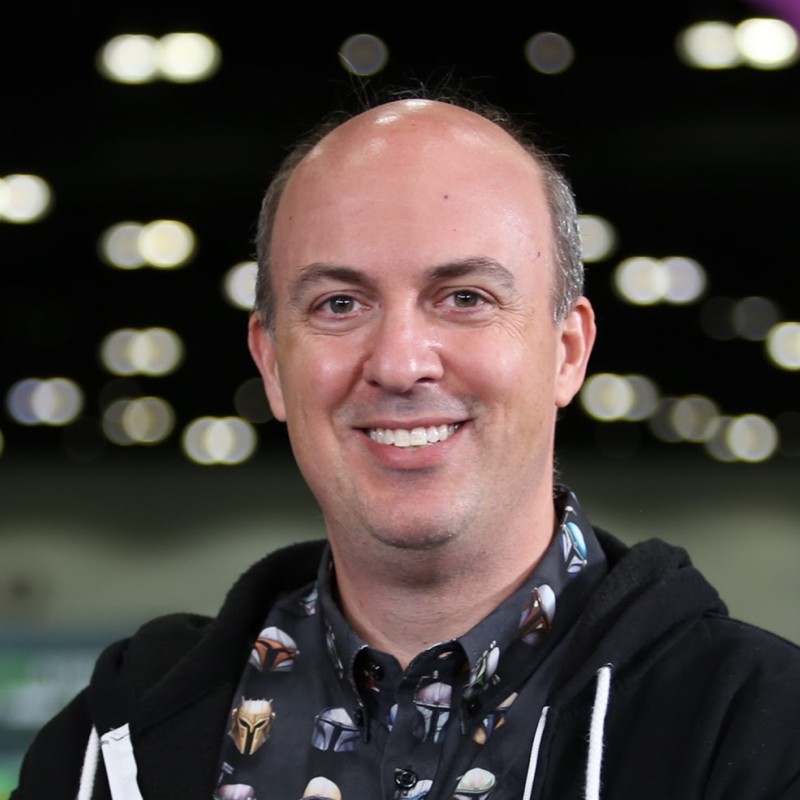
Cornelia Davis talks with Stu Miniman & John Troyer at Cloud Foundry Summit 2017 in Santa Clara, CA.
#CloudFoundry
#theCUBE
https://siliconangle.com/2017/06/15/new-tools-redefine-cloud-native-applications-data-cloudfoundry/
New tools redefine cloud-native, from applications to data
While the cloud is not a new technology, its distributed and decentralized nature now requires a new set of tools to meet developer demands. One organization building these new tools is Cloud Foundry Foundation. Its Cloud Foundry open-source cloud application platform allows for the development and deployment of enterprise cloud applications.
“This isn’t just the next application platform. It’s really radically different in how it enables a different style of application,” said Cornelia Davis (pictured), senior director of technology at Pivotal Software Inc.
Davis spoke with Stu Miniman (@stu) and John Troyer (@jtroyer), co-hosts of theCUBE, SiliconANGLE’s mobile live-streaming studio, during the Cloud Foundry Summit in Santa Clara, California, about the Cloud Foundry platform, new tech, cloud-native and data in the cloud. (* Disclosure below.)
New platforms for working in the cloud
Technology isn’t always easy, but it’s necessary in a changing world. This is especially true when talking about the cloud. Companies have to adopt new technology models, according to Davis. New technology, however, also requires changes around the edges and answers to the question: What does the new model mean for people, processes and security?
Even so, need often comes before the details, Davis pointed out. At Pivotal, developers knew they needed to build a new platform. To bring others on board, the developers put things in place to help people properly use the system. There was also a groundswell of people playing with open-source software who looked toward a better way, Davis added.
Then there’s the cloud itself. “I used to say to people, ‘the cloud isn’t about where you’re computing, but how.’ In fact, that’s not entirely accurate,” Davis said. Now that the concept of cloud-native has taken hold, some flavor of cloud has become the place where the computing is done, while cloud-native is the how. Cloud-native means highly-distributed, constantly changing applications, she explained.
As an industry, cloud-native applications are really just starting. Cloud-native isn’t just applications, though, it’s also data. The data side is not so highly distributed. Applying cloud-native to data means looking for autonomy — so things can evolve separate from the system — and resilience with bulkheads and air gaps between data sources, according to Davis.
These are the same goals as for cloud-native software, she added.
Watch the complete video interview below, and be sure to check out more of SiliconANGLE’s and theCUBE’s independent editorial coverage of Cloud Foundry Summit. (* Disclosure: TheCUBE is a paid media partner for Cloud Foundry Summit. Neither Pivotal Software Inc. nor other sponsors have editorial control over content on theCUBE or SiliconANGLE.)
Forgot Password
Almost there!
We just sent you a verification email. Please verify your account to gain access to
Cloud Foundry Summit 2017 | Santa Clara. If you don’t think you received an email check your
spam folder.
Sign in to Cloud Foundry Summit 2017 | Santa Clara.
In order to sign in, enter the email address you used to registered for the event. Once completed, you will receive an email with a verification link. Open this link to automatically sign into the site.
Register For Cloud Foundry Summit 2017 | Santa Clara
Please fill out the information below. You will recieve an email with a verification link confirming your registration. Click the link to automatically sign into the site.
You’re almost there!
We just sent you a verification email. Please click the verification button in the email. Once your email address is verified, you will have full access to all event content for Cloud Foundry Summit 2017 | Santa Clara.
I want my badge and interests to be visible to all attendees.
Checking this box will display your presense on the attendees list, view your profile and allow other attendees to contact you via 1-1 chat. Read the Privacy Policy. At any time, you can choose to disable this preference.
Select your Interests!
add
Upload your photo
Uploading..
OR
Connect via Twitter
Connect via Linkedin
EDIT PASSWORD
Share
Forgot Password
Almost there!
We just sent you a verification email. Please verify your account to gain access to
Cloud Foundry Summit 2017 | Santa Clara. If you don’t think you received an email check your
spam folder.
Sign in to Cloud Foundry Summit 2017 | Santa Clara.
In order to sign in, enter the email address you used to registered for the event. Once completed, you will receive an email with a verification link. Open this link to automatically sign into the site.
Sign in to gain access to Cloud Foundry Summit 2017 | Santa Clara
Please sign in with LinkedIn to continue to Cloud Foundry Summit 2017 | Santa Clara. Signing in with LinkedIn ensures a professional environment.
Cornelia Davis talks with Stu Miniman & John Troyer at Cloud Foundry Summit 2017 in Santa Clara, CA.
#CloudFoundry
#theCUBE
https://siliconangle.com/2017/06/15/new-tools-redefine-cloud-native-applications-data-cloudfoundry/
New tools redefine cloud-native, from applications to data
While the cloud is not a new technology, its distributed and decentralized nature now requires a new set of tools to meet developer demands. One organization building these new tools is Cloud Foundry Foundation. Its Cloud Foundry open-source cloud application platform allows for the development and deployment of enterprise cloud applications.
“This isn’t just the next application platform. It’s really radically different in how it enables a different style of application,” said Cornelia Davis (pictured), senior director of technology at Pivotal Software Inc.
Davis spoke with Stu Miniman (@stu) and John Troyer (@jtroyer), co-hosts of theCUBE, SiliconANGLE’s mobile live-streaming studio, during the Cloud Foundry Summit in Santa Clara, California, about the Cloud Foundry platform, new tech, cloud-native and data in the cloud. (* Disclosure below.)
New platforms for working in the cloud
Technology isn’t always easy, but it’s necessary in a changing world. This is especially true when talking about the cloud. Companies have to adopt new technology models, according to Davis. New technology, however, also requires changes around the edges and answers to the question: What does the new model mean for people, processes and security?
Even so, need often comes before the details, Davis pointed out. At Pivotal, developers knew they needed to build a new platform. To bring others on board, the developers put things in place to help people properly use the system. There was also a groundswell of people playing with open-source software who looked toward a better way, Davis added.
Then there’s the cloud itself. “I used to say to people, ‘the cloud isn’t about where you’re computing, but how.’ In fact, that’s not entirely accurate,” Davis said. Now that the concept of cloud-native has taken hold, some flavor of cloud has become the place where the computing is done, while cloud-native is the how. Cloud-native means highly-distributed, constantly changing applications, she explained.
As an industry, cloud-native applications are really just starting. Cloud-native isn’t just applications, though, it’s also data. The data side is not so highly distributed. Applying cloud-native to data means looking for autonomy — so things can evolve separate from the system — and resilience with bulkheads and air gaps between data sources, according to Davis.
These are the same goals as for cloud-native software, she added.
Watch the complete video interview below, and be sure to check out more of SiliconANGLE’s and theCUBE’s independent editorial coverage of Cloud Foundry Summit. (* Disclosure: TheCUBE is a paid media partner for Cloud Foundry Summit. Neither Pivotal Software Inc. nor other sponsors have editorial control over content on theCUBE or SiliconANGLE.)