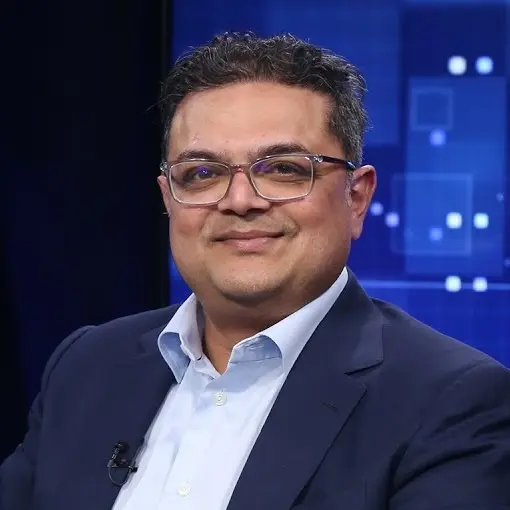
01. Steve Todd, EMC, visits #theCUBE!. (00:16)
02. Barry Rudolph, Veloci Data, visits #theCUBE!. (00:24)
03. Finding the Value of Data. (01:28)
04. The Connection of Time and Data Value. (03:43)
05. Combining Streaming and Historical Analytics. (05:36)
06. How Time Fits in Evaluating Data. (07:25)
07. Separating the Modeling and Proprietary Models. (10:04)
08. Leveraging Data for More Value, Balancing Speed and Quality. (11:29)
09. The Analogy of Selling Intellectual Property. (14:06)
10. Key Takeaways from MIT CDIOQ. (15:13)
Track List created with http://www.vinjavideo.com.
--- ---
3-step process to monetizing your data | #MITCDOIQ
by Brittany Greaner | Jul 14, 2016
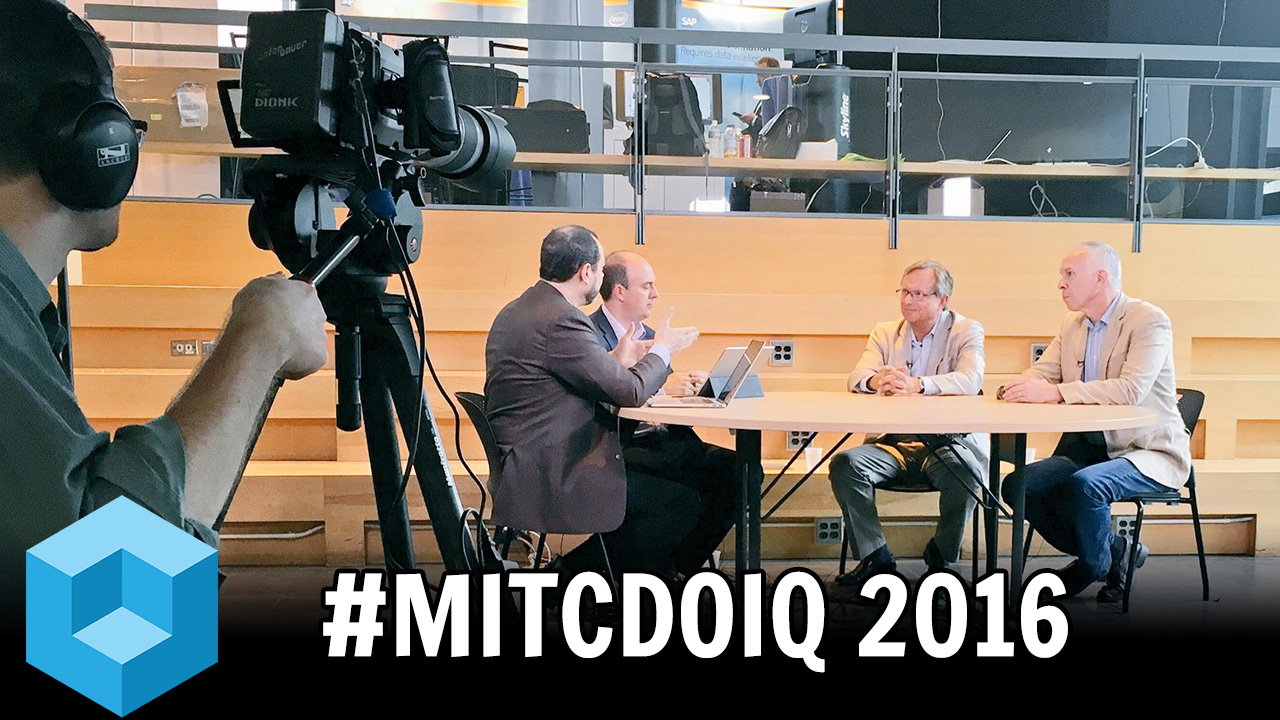
To keep data or not to keep data? That is the question many organizations are asking these days. And to discuss this topic, Steve Todd, EMC fellow, and Barry Rudolph, CEO of VelociData, Inc. spoke to Stu Miniman (@stu) and George Gilbert (@ggilbert41), hosts of theCUBE, from the SiliconANGLE Media team, during the MIT CDOIQ Symposium taking place at the MIT Campus in Cambridge, MA.
In general, old data is classified as lower value at best, a liability at worst. “But there’s evidence that it might more valuable in the future,” said Rudolph. As more and more companies get rid of their data, it’s possible that those that keep theirs might have insights into trends, as well as deeper analytics, that others might not have access to.
But there is a chance that it can indeed become a liability, and it’s not to be taken lightly. Todd recalled a coffee place that was hacked and got into trouble due to the information released as a result of its storage of receipts from 10 years ago.
Making the final decision
For Rudolph, the “to store data or not to store” question comes down to asking yourself some questions and having a sense of what direction your organization is headed in.
“The fundamental construct is having an understanding of what data you want to store historically. You have to have some notion of what the fundamental linkages to the important applications and process of your business are,” he explained. “What are you trying to answer? And what might you want to answer in the future?”
By being anticipatory, you may be able to make better decisions about what to store and what to let go of, questions that a CDO would be able to help you answer, added Todd.
How to monetize your data
As for parting words of advice, Todd recommended building up a metadata repository along the data lake that contains evaluation information.
Rudolph suggested a unique perspective on how creating value externally for data assets is not that different from monetizing intellectual properties. These steps include: 1. Brainstorm adjacent markets that may find your data assets valuable. 2. Define markets that are competitive or noncompetitive. 3. Create terms and conditions around use of data that don’t overlap with your market.
#MITCDIOIQ
#theCUBE
Forgot Password
Almost there!
We just sent you a verification email. Please verify your account to gain access to
MIT Chief Data Officer and Information Quality Symposium (CDOIQ) 2016 | Cambridge. If you don’t think you received an email check your
spam folder.
Sign in to MIT Chief Data Officer and Information Quality Symposium (CDOIQ) 2016 | Cambridge.
In order to sign in, enter the email address you used to registered for the event. Once completed, you will receive an email with a verification link. Open this link to automatically sign into the site.
Register For MIT Chief Data Officer and Information Quality Symposium (CDOIQ) 2016 | Cambridge
Please fill out the information below. You will recieve an email with a verification link confirming your registration. Click the link to automatically sign into the site.
You’re almost there!
We just sent you a verification email. Please click the verification button in the email. Once your email address is verified, you will have full access to all event content for MIT Chief Data Officer and Information Quality Symposium (CDOIQ) 2016 | Cambridge.
Thanks for confirming your account. Now you can access MIT Chief Data Officer and Information Quality Symposium (CDOIQ) 2016 | Cambridge with this email address.
I want my badge and interests to be visible to all attendees.
Checking this box will display your presense on the attendees list, view your profile and allow other attendees to contact you via 1-1 chat. Read the Privacy Policy. At any time, you can choose to disable this preference.
Select your Interests!
add
Upload your photo
Uploading..
OR
Connect via Twitter
Connect via Linkedin
EDIT PASSWORD
Share
Forgot Password
Almost there!
We just sent you a verification email. Please verify your account to gain access to
MIT Chief Data Officer and Information Quality Symposium (CDOIQ) 2016 | Cambridge. If you don’t think you received an email check your
spam folder.
Sign in to MIT Chief Data Officer and Information Quality Symposium (CDOIQ) 2016 | Cambridge.
In order to sign in, enter the email address you used to registered for the event. Once completed, you will receive an email with a verification link. Open this link to automatically sign into the site.
Sign in to gain access to MIT Chief Data Officer and Information Quality Symposium (CDOIQ) 2016 | Cambridge
Please sign in with LinkedIn to continue to MIT Chief Data Officer and Information Quality Symposium (CDOIQ) 2016 | Cambridge. Signing in with LinkedIn ensures a professional environment.
Are you sure you want to remove access rights for this user?
Details
Manage Access
email address
Community Invitation
Barry Rudolph, Veloci Data & Steve Todd, EMC - #MITCDOIQ - #theCUBE
01. Steve Todd, EMC, visits #theCUBE!. (00:16)
02. Barry Rudolph, Veloci Data, visits #theCUBE!. (00:24)
03. Finding the Value of Data. (01:28)
04. The Connection of Time and Data Value. (03:43)
05. Combining Streaming and Historical Analytics. (05:36)
06. How Time Fits in Evaluating Data. (07:25)
07. Separating the Modeling and Proprietary Models. (10:04)
08. Leveraging Data for More Value, Balancing Speed and Quality. (11:29)
09. The Analogy of Selling Intellectual Property. (14:06)
10. Key Takeaways from MIT CDIOQ. (15:13)
Track List created with http://www.vinjavideo.com.
--- ---
3-step process to monetizing your data | #MITCDOIQ
by Brittany Greaner | Jul 14, 2016
To keep data or not to keep data? That is the question many organizations are asking these days. And to discuss this topic, Steve Todd, EMC fellow, and Barry Rudolph, CEO of VelociData, Inc. spoke to Stu Miniman (@stu) and George Gilbert (@ggilbert41), hosts of theCUBE, from the SiliconANGLE Media team, during the MIT CDOIQ Symposium taking place at the MIT Campus in Cambridge, MA.
In general, old data is classified as lower value at best, a liability at worst. “But there’s evidence that it might more valuable in the future,” said Rudolph. As more and more companies get rid of their data, it’s possible that those that keep theirs might have insights into trends, as well as deeper analytics, that others might not have access to.
But there is a chance that it can indeed become a liability, and it’s not to be taken lightly. Todd recalled a coffee place that was hacked and got into trouble due to the information released as a result of its storage of receipts from 10 years ago.
Making the final decision
For Rudolph, the “to store data or not to store” question comes down to asking yourself some questions and having a sense of what direction your organization is headed in.
“The fundamental construct is having an understanding of what data you want to store historically. You have to have some notion of what the fundamental linkages to the important applications and process of your business are,” he explained. “What are you trying to answer? And what might you want to answer in the future?”
By being anticipatory, you may be able to make better decisions about what to store and what to let go of, questions that a CDO would be able to help you answer, added Todd.
How to monetize your data
As for parting words of advice, Todd recommended building up a metadata repository along the data lake that contains evaluation information.
Rudolph suggested a unique perspective on how creating value externally for data assets is not that different from monetizing intellectual properties. These steps include: 1. Brainstorm adjacent markets that may find your data assets valuable. 2. Define markets that are competitive or noncompetitive. 3. Create terms and conditions around use of data that don’t overlap with your market.
#MITCDIOIQ
#theCUBE