01. Barbara Lautulippe, EMC, Visits #theCUBE!. (00:20)
02. How Does Your Title Relate To The Chief Data Officer. (00:35)
03. Where Do You Sit In The Orc Chart. (01:30)
04. What Are Your Thoughts On The Role Of A CEO. (02:35)
05. How Do You Provide A Catalog Of Data Function When There's So Many Different Kin. (04:27)
06. Who Owns The Data Inside The Organization. (06:07)
07. How Do You Put A Value On Data. (07:27)
08. How Do You Sort Through Security And Accessibility. (08:50)
09. How Do You Convince People To Take Ownership In The Data. (10:31)
10. What Are The Big Challenges And Progress You've Seen. (11:49)
Track List created with http://www.vinjavideo.com.
--- ---
Why trustees matter in data lake accountability | #MITCDOIQ
by Kristen Nicole | Jul 13, 2016
Today’s Chief Data Officer (CDO) needs buy-in from top management if they are to succeed, according to EMC’s own chief data governance officer, Barbara Latulippe. Promoting ownership and access to data, Latulippe shared best practices and EMC’s tried-and-true methods for trawling the data lake.
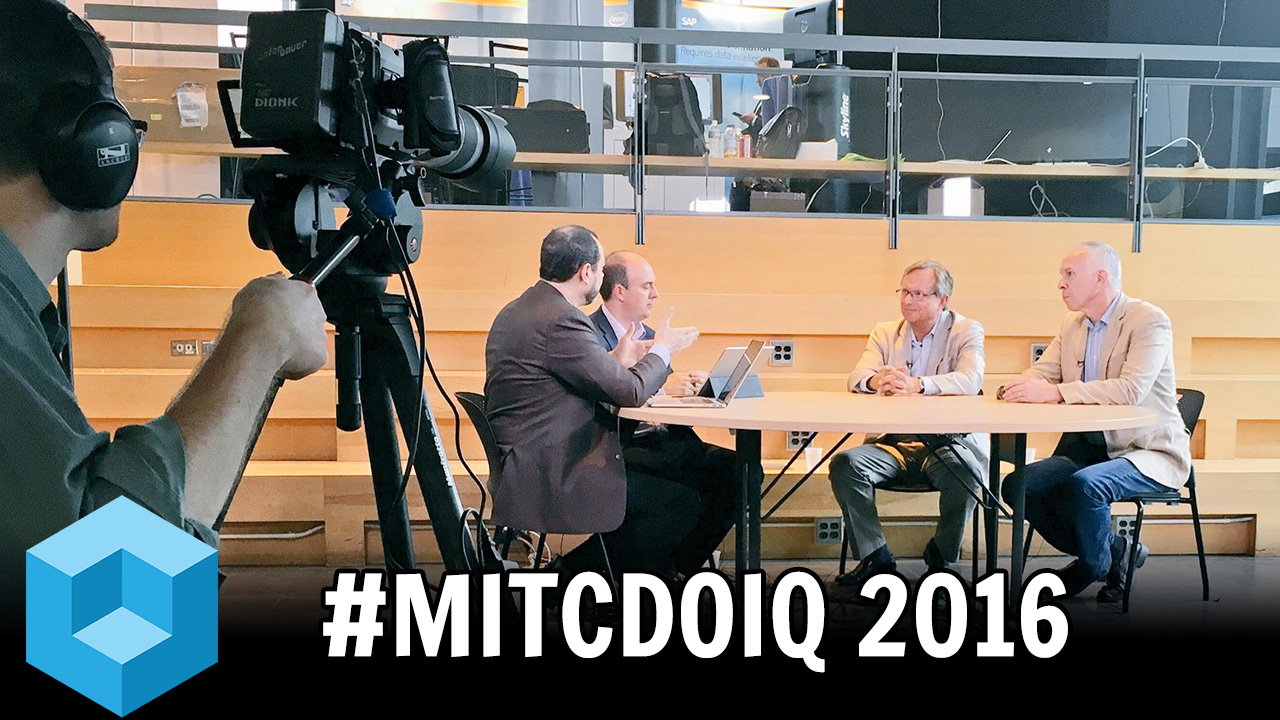
Latulippe spoke with Stu Miniman (@stu) and Paul Gillin (@pgillin), cohosts of theCUBE, from the SiliconANGLE Media team, during MIT’s annual conference for data officers, MITCDOIQ.
Governing today’s data lake
Governance was among the first issues detailed during Latulippe’s segment, as she credited EMC’s history for establishing her team’s maturity in data management. Establishing a framework for tagging and cataloging data in the lake is the first step in governance.
Fortunately, Latulippe’s team is “very passionate about metadata,” and that passion is shared with EMC customers using its tools for managing their data lake. Latulippe explained that EMC effectively crowdsources information on how businesses use data in the lake, following their formal process to facilitate proper cataloging. She also pointed out the role of the technical IT team in initiating the provisioning experience, also contributing to the task of data governance and ownership.
Who owns the data?
In fact, ownership was another important topic discussed during Latulippe’s segment, as it breeds accountability for those managing and interacting with the data lake. When asked flat out who owns the data, Latulippe replied that it’s businesses that own the data.
“As well as governance, I’d say we’re focused on data quality and ownership,” she said. “We’re mobilizing the data stewards … shifting to information value and even rebranding as an information office. We have a data governance office, but the actual, tactical operations still reside in the business. We connect the right people to take care of business.”
How much is data worth?
From governance to ownership, the data lake must ultimately prove a worthy business investment. This is another area Latulippe addresses from her department as she oversees the cataloging and mobilizing of data. To this end, her team is looking at algorithms to weigh data value and its impact on business.
“Which datasets are the most commonly used? We can try to govern those and make sure their available,” Latulippe explained.
“We’re tackling this from two perspectives — the algorithms and also looking at what a business governs. We want to focus on the critical data elements, what we consider high value data sets.”
But is this value something a business can take to the bank? Latulippe certainly hopes so — beyond just relative value within a business’ objectives for Big Data, her team wants to show the dollar value of the data lake.
“We’re trying to drive an actual dollar valuation,” she said. In governing the data lake, her team asks, “Can you place a dollar value on data, and how can it relate back to the business strategy?”
Balancing security and accessibility
Drawing value from properly governed data also faces the challenge of maintaining its security controls while also promoting accessibility for those within the business needing meaningful connections to the right data. Latulippe insisted this is a challenge for any group managing data, especially in a data lake.
“We have a lot of Big Data coming in,” she said, citing the burgeoning Internet of Things market and Twitter as two major sources of data currently of interest for customers. “From a customer experience, we want to know how they feel,” Latulippe added, revisiting the methods of tagging and cataloging for reaching a balance in security and accessibility. “Governance has a nice blend of legal and security, and we can tag those toward business processes.”
#MITCDIOIQ
#theCUBE
Forgot Password
Almost there!
We just sent you a verification email. Please verify your account to gain access to
MIT Chief Data Officer and Information Quality Symposium (CDOIQ) 2016 | Cambridge. If you don’t think you received an email check your
spam folder.
Sign in to MIT Chief Data Officer and Information Quality Symposium (CDOIQ) 2016 | Cambridge.
In order to sign in, enter the email address you used to registered for the event. Once completed, you will receive an email with a verification link. Open this link to automatically sign into the site.
Register For MIT Chief Data Officer and Information Quality Symposium (CDOIQ) 2016 | Cambridge
Please fill out the information below. You will recieve an email with a verification link confirming your registration. Click the link to automatically sign into the site.
You’re almost there!
We just sent you a verification email. Please click the verification button in the email. Once your email address is verified, you will have full access to all event content for MIT Chief Data Officer and Information Quality Symposium (CDOIQ) 2016 | Cambridge.
Thanks for confirming your account. Now you can access MIT Chief Data Officer and Information Quality Symposium (CDOIQ) 2016 | Cambridge with this email address.
I want my badge and interests to be visible to all attendees.
Checking this box will display your presense on the attendees list, view your profile and allow other attendees to contact you via 1-1 chat. Read the Privacy Policy. At any time, you can choose to disable this preference.
Select your Interests!
add
Upload your photo
Uploading..
OR
Connect via Twitter
Connect via Linkedin
EDIT PASSWORD
Share
Forgot Password
Almost there!
We just sent you a verification email. Please verify your account to gain access to
MIT Chief Data Officer and Information Quality Symposium (CDOIQ) 2016 | Cambridge. If you don’t think you received an email check your
spam folder.
Sign in to MIT Chief Data Officer and Information Quality Symposium (CDOIQ) 2016 | Cambridge.
In order to sign in, enter the email address you used to registered for the event. Once completed, you will receive an email with a verification link. Open this link to automatically sign into the site.
Sign in to gain access to MIT Chief Data Officer and Information Quality Symposium (CDOIQ) 2016 | Cambridge
Please sign in with LinkedIn to continue to MIT Chief Data Officer and Information Quality Symposium (CDOIQ) 2016 | Cambridge. Signing in with LinkedIn ensures a professional environment.
Are you sure you want to remove access rights for this user?
Details
Manage Access
email address
Community Invitation
Barbara Latulippe, EMC | MIT CDOIQ 2016
01. Barbara Lautulippe, EMC, Visits #theCUBE!. (00:20)
02. How Does Your Title Relate To The Chief Data Officer. (00:35)
03. Where Do You Sit In The Orc Chart. (01:30)
04. What Are Your Thoughts On The Role Of A CEO. (02:35)
05. How Do You Provide A Catalog Of Data Function When There's So Many Different Kin. (04:27)
06. Who Owns The Data Inside The Organization. (06:07)
07. How Do You Put A Value On Data. (07:27)
08. How Do You Sort Through Security And Accessibility. (08:50)
09. How Do You Convince People To Take Ownership In The Data. (10:31)
10. What Are The Big Challenges And Progress You've Seen. (11:49)
Track List created with http://www.vinjavideo.com.
--- ---
Why trustees matter in data lake accountability | #MITCDOIQ
by Kristen Nicole | Jul 13, 2016
Today’s Chief Data Officer (CDO) needs buy-in from top management if they are to succeed, according to EMC’s own chief data governance officer, Barbara Latulippe. Promoting ownership and access to data, Latulippe shared best practices and EMC’s tried-and-true methods for trawling the data lake.
Latulippe spoke with Stu Miniman (@stu) and Paul Gillin (@pgillin), cohosts of theCUBE, from the SiliconANGLE Media team, during MIT’s annual conference for data officers, MITCDOIQ.
Governing today’s data lake
Governance was among the first issues detailed during Latulippe’s segment, as she credited EMC’s history for establishing her team’s maturity in data management. Establishing a framework for tagging and cataloging data in the lake is the first step in governance.
Fortunately, Latulippe’s team is “very passionate about metadata,” and that passion is shared with EMC customers using its tools for managing their data lake. Latulippe explained that EMC effectively crowdsources information on how businesses use data in the lake, following their formal process to facilitate proper cataloging. She also pointed out the role of the technical IT team in initiating the provisioning experience, also contributing to the task of data governance and ownership.
Who owns the data?
In fact, ownership was another important topic discussed during Latulippe’s segment, as it breeds accountability for those managing and interacting with the data lake. When asked flat out who owns the data, Latulippe replied that it’s businesses that own the data.
“As well as governance, I’d say we’re focused on data quality and ownership,” she said. “We’re mobilizing the data stewards … shifting to information value and even rebranding as an information office. We have a data governance office, but the actual, tactical operations still reside in the business. We connect the right people to take care of business.”
How much is data worth?
From governance to ownership, the data lake must ultimately prove a worthy business investment. This is another area Latulippe addresses from her department as she oversees the cataloging and mobilizing of data. To this end, her team is looking at algorithms to weigh data value and its impact on business.
“Which datasets are the most commonly used? We can try to govern those and make sure their available,” Latulippe explained.
“We’re tackling this from two perspectives — the algorithms and also looking at what a business governs. We want to focus on the critical data elements, what we consider high value data sets.”
But is this value something a business can take to the bank? Latulippe certainly hopes so — beyond just relative value within a business’ objectives for Big Data, her team wants to show the dollar value of the data lake.
“We’re trying to drive an actual dollar valuation,” she said. In governing the data lake, her team asks, “Can you place a dollar value on data, and how can it relate back to the business strategy?”
Balancing security and accessibility
Drawing value from properly governed data also faces the challenge of maintaining its security controls while also promoting accessibility for those within the business needing meaningful connections to the right data. Latulippe insisted this is a challenge for any group managing data, especially in a data lake.
“We have a lot of Big Data coming in,” she said, citing the burgeoning Internet of Things market and Twitter as two major sources of data currently of interest for customers. “From a customer experience, we want to know how they feel,” Latulippe added, revisiting the methods of tagging and cataloging for reaching a balance in security and accessibility. “Governance has a nice blend of legal and security, and we can tag those toward business processes.”
#MITCDIOIQ
#theCUBE