CDO role is here to stay, say analysts | #MITCDOIQ
by Nelson Williams | Jul 14, 2016
Chief Data Officer, or CDO, is a relatively new addition to the corporate C-level pantheon, but already the position is becoming a necessary part of doing business. However, given the changing nature of technology and the new uses for data that are discovered every day, it’s hard to pin down exactly what it means to be a CDO.
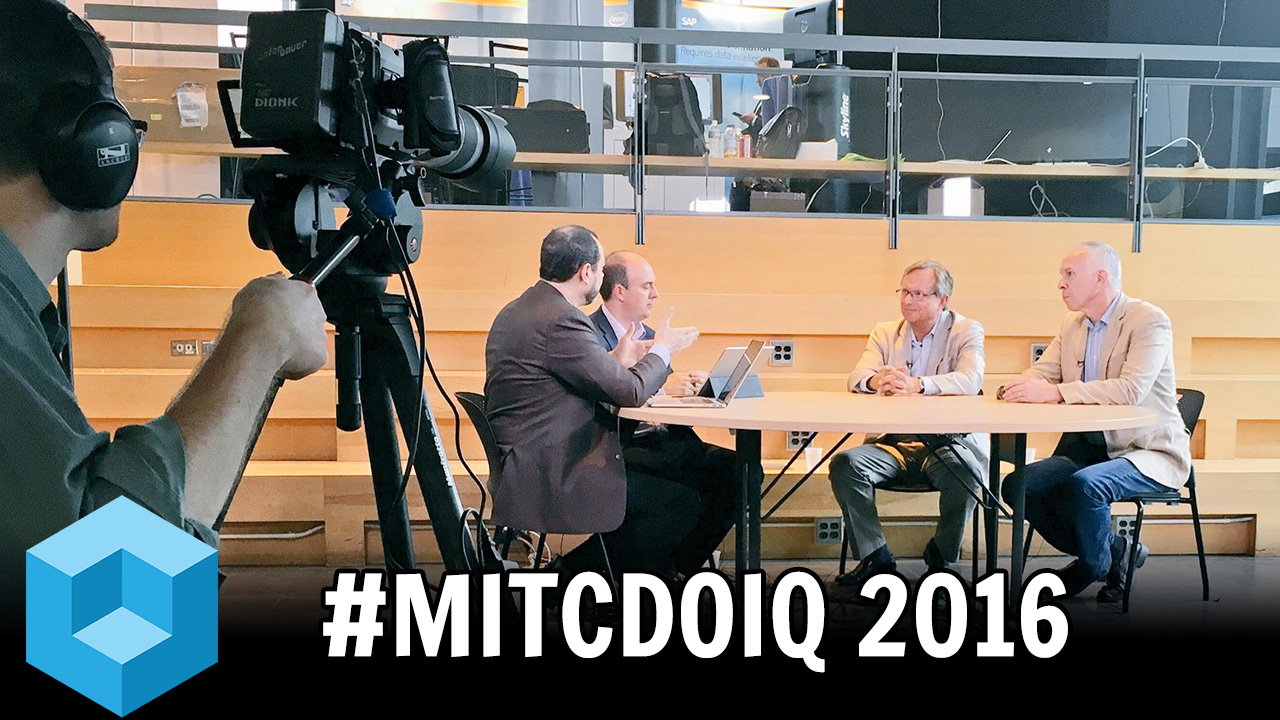
The MIT CDOIQ Symposium in Cambridge, MA, has brought together CDOs from across the country to discuss this very question. As the conference wrapped up, Paul Gillin (@pgillin), Stu Miniman (@stu) and George Gilbert (@ggilbert41), cohosts of theCUBE, from the SiliconANGLE Media team, sat down to share their opinions of the day’s events.
Mapping the CDO territory
The conversation started as Gillin gave an overview of the changes in the CDO role. He mentioned that while the role was rare in the past, now they’ve seen thousands of CDOs. Also, they’ve seen how the role is developing to keep pace with technology.
“The big revelation for me is this is not a technology job; it’s a relationship job,” he said. He explained the CDO’s first task is to find where the information is and then twist some arms to get that data out of its silos.
Miniman hewed closer to the purpose of the conference itself. He noted that while every CDO is different, when they come together at event like MIT CDOIQ, they have a lot of commonality. Together, they’re making progress toward understanding where data fits in an organization.
Putting on guardrails
Gilbert was more specific in where he saw the CDO role. He likened the position to a custodial office, in the curator sense, where they are responsible for the care of data but don’t own it. He described the purpose of the role as putting guard rails on data and access.
Given the explosion in data volume, those guard rails are necessary to guide users to the data they need.
Gilbert then pointed out something interesting. There are companies that help put up those guard rails, and companies that empower the end user, but no one was working with both sides.
Gillin closed the conversation, saying there will be a role for the CDO for a long time to come.
#MITCDOIQ
#theCUBE
Forgot Password
Almost there!
We just sent you a verification email. Please verify your account to gain access to
MIT Chief Data Officer and Information Quality Symposium (CDOIQ) 2016 | Cambridge. If you don’t think you received an email check your
spam folder.
Sign in to MIT Chief Data Officer and Information Quality Symposium (CDOIQ) 2016 | Cambridge.
In order to sign in, enter the email address you used to registered for the event. Once completed, you will receive an email with a verification link. Open this link to automatically sign into the site.
Register For MIT Chief Data Officer and Information Quality Symposium (CDOIQ) 2016 | Cambridge
Please fill out the information below. You will recieve an email with a verification link confirming your registration. Click the link to automatically sign into the site.
You’re almost there!
We just sent you a verification email. Please click the verification button in the email. Once your email address is verified, you will have full access to all event content for MIT Chief Data Officer and Information Quality Symposium (CDOIQ) 2016 | Cambridge.
Thanks for confirming your account. Now you can access MIT Chief Data Officer and Information Quality Symposium (CDOIQ) 2016 | Cambridge with this email address.
I want my badge and interests to be visible to all attendees.
Checking this box will display your presense on the attendees list, view your profile and allow other attendees to contact you via 1-1 chat. Read the Privacy Policy. At any time, you can choose to disable this preference.
Select your Interests!
add
Upload your photo
Uploading..
OR
Connect via Twitter
Connect via Linkedin
EDIT PASSWORD
Share
Forgot Password
Almost there!
We just sent you a verification email. Please verify your account to gain access to
MIT Chief Data Officer and Information Quality Symposium (CDOIQ) 2016 | Cambridge. If you don’t think you received an email check your
spam folder.
Sign in to MIT Chief Data Officer and Information Quality Symposium (CDOIQ) 2016 | Cambridge.
In order to sign in, enter the email address you used to registered for the event. Once completed, you will receive an email with a verification link. Open this link to automatically sign into the site.
Sign in to gain access to MIT Chief Data Officer and Information Quality Symposium (CDOIQ) 2016 | Cambridge
Please sign in with LinkedIn to continue to MIT Chief Data Officer and Information Quality Symposium (CDOIQ) 2016 | Cambridge. Signing in with LinkedIn ensures a professional environment.
Are you sure you want to remove access rights for this user?
Details
Manage Access
email address
Community Invitation
Day Two Wrap - #MITCDOIQ - theCUBE
CDO role is here to stay, say analysts | #MITCDOIQ
by Nelson Williams | Jul 14, 2016
Chief Data Officer, or CDO, is a relatively new addition to the corporate C-level pantheon, but already the position is becoming a necessary part of doing business. However, given the changing nature of technology and the new uses for data that are discovered every day, it’s hard to pin down exactly what it means to be a CDO.
The MIT CDOIQ Symposium in Cambridge, MA, has brought together CDOs from across the country to discuss this very question. As the conference wrapped up, Paul Gillin (@pgillin), Stu Miniman (@stu) and George Gilbert (@ggilbert41), cohosts of theCUBE, from the SiliconANGLE Media team, sat down to share their opinions of the day’s events.
Mapping the CDO territory
The conversation started as Gillin gave an overview of the changes in the CDO role. He mentioned that while the role was rare in the past, now they’ve seen thousands of CDOs. Also, they’ve seen how the role is developing to keep pace with technology.
“The big revelation for me is this is not a technology job; it’s a relationship job,” he said. He explained the CDO’s first task is to find where the information is and then twist some arms to get that data out of its silos.
Miniman hewed closer to the purpose of the conference itself. He noted that while every CDO is different, when they come together at event like MIT CDOIQ, they have a lot of commonality. Together, they’re making progress toward understanding where data fits in an organization.
Putting on guardrails
Gilbert was more specific in where he saw the CDO role. He likened the position to a custodial office, in the curator sense, where they are responsible for the care of data but don’t own it. He described the purpose of the role as putting guard rails on data and access.
Given the explosion in data volume, those guard rails are necessary to guide users to the data they need.
Gilbert then pointed out something interesting. There are companies that help put up those guard rails, and companies that empower the end user, but no one was working with both sides.
Gillin closed the conversation, saying there will be a role for the CDO for a long time to come.
#MITCDOIQ
#theCUBE