01. Daniel Morgan, Department Of Transportation, Visits #theCUBE!. (00:18)
02. How Did You Become A CEO Of Department Of Transportation. (00:49)
03. What Is Your Job As CEO. (01:48)
04. Tell Us About The Openess Of Data And Security. (03:04)
05. Where Does Your Responsibility Begin And What Data Do You Gather. (04:20)
06. Is Data A Tool To Help You Save Money. (06:41)
07. What Are You Doing About Cleansing The Data. (08:44)
08. How Are You Addressing The Open Data Mandate. (11:01)
09. How Do You Manage The Huge Amounts Of Data. (12:53)
Track List created with http://www.vinjavideo.com.
--- ---
Wrangling data for public benefit at the Department of Transportation | #MITCDOIQ
by Nelson Williams | Jul 13, 2016
It is a truth of the Modern Age that any successful business will live by its power to use data. However, this truth does not apply only to business. Government agencies share the same need for data as the enterprise world, and their mandate can affect millions of people. To manage the massive data flow that defines this century, government agencies have taken on Chief Data Officers (CDO) who shape and organize data policy in their departments.
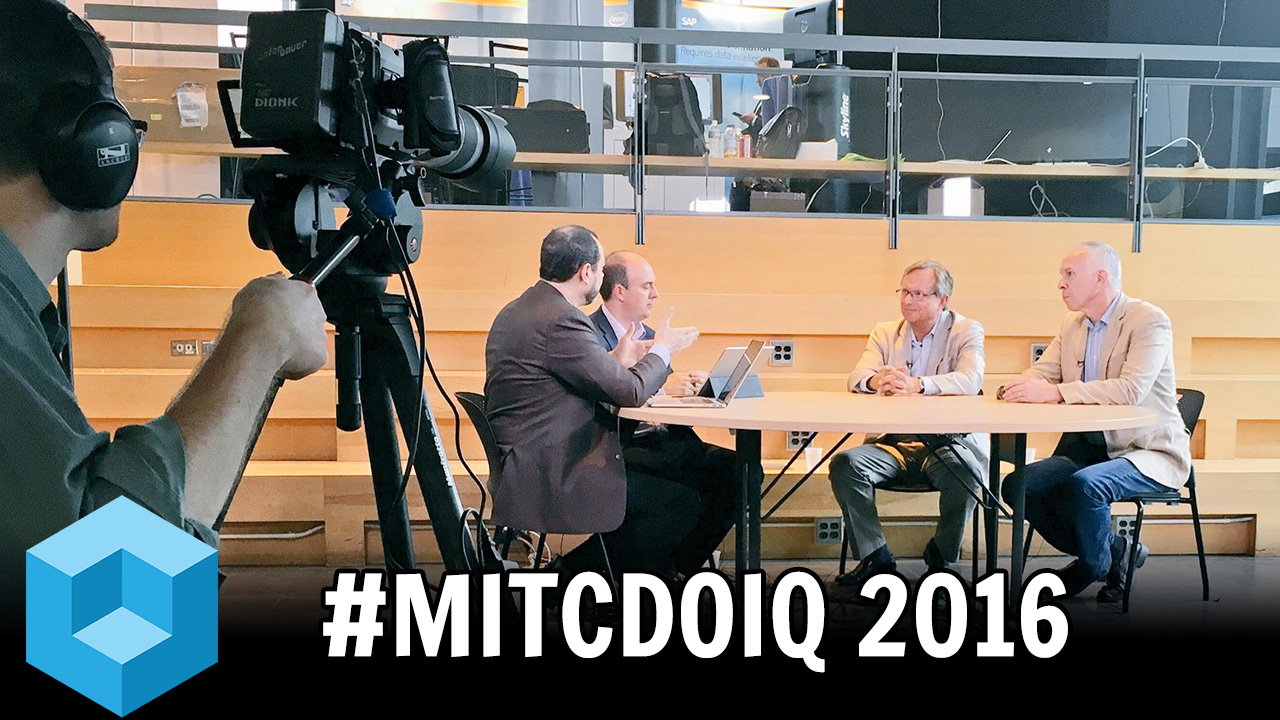
To gain some insight into what it means to be a government CDO, Stu Miniman (@stu) and Paul Gillin (@pgillin), cohosts of theCUBE, from the SiliconANGLE Media team, visited the MIT CDOIQ Symposium in Cambridge, MA. There, they met with Daniel Morgan, chief data officer at the US Department of Transportation (DoT).
Bringing data and technology together
The conversation opened with a look at what a CDO does for their organization. Morgan explained that he has three main concepts: improve data governance, increase engagement with users, and improve technology enablement. He stated that engagement with users is important because an open-data policy is a priority. Also, technology enablement means bringing modern tools into the agency so they can make the most of their data.
Morgan referred to his work as a team sport, since the open-data policy creates a presumption of openness in how the data is organized and presented. He also mentioned working with others to make sure their systems have the right controls in place to secure the data.
Responsibility and data leadership
Things turned toward the DoT itself and what data it collects. Morgan described it as a mishmash, saying they collect and use a wide range of data — from airplane flights to vehicle recalls to information on crashes. It uses this data to understand what technologies would improve public safety.
“There’s a lot of slower-moving data, but then there’s the real-time operations as well,” he said.
Morgan then took a moment to speak about the benefits of the open-data policy. Companies are using that data to power applications and business processes. He explained that’s the key — understanding these applications can help the community and create jobs. He stated this activity was more important than monetizing the data for cost recovery.
#MITCDIOIQ
#theCUBE
Forgot Password
Almost there!
We just sent you a verification email. Please verify your account to gain access to
MIT Chief Data Officer and Information Quality Symposium (CDOIQ) 2016 | Cambridge. If you don’t think you received an email check your
spam folder.
Sign in to MIT Chief Data Officer and Information Quality Symposium (CDOIQ) 2016 | Cambridge.
In order to sign in, enter the email address you used to registered for the event. Once completed, you will receive an email with a verification link. Open this link to automatically sign into the site.
Register For MIT Chief Data Officer and Information Quality Symposium (CDOIQ) 2016 | Cambridge
Please fill out the information below. You will recieve an email with a verification link confirming your registration. Click the link to automatically sign into the site.
You’re almost there!
We just sent you a verification email. Please click the verification button in the email. Once your email address is verified, you will have full access to all event content for MIT Chief Data Officer and Information Quality Symposium (CDOIQ) 2016 | Cambridge.
Thanks for confirming your account. Now you can access MIT Chief Data Officer and Information Quality Symposium (CDOIQ) 2016 | Cambridge with this email address.
I want my badge and interests to be visible to all attendees.
Checking this box will display your presense on the attendees list, view your profile and allow other attendees to contact you via 1-1 chat. Read the Privacy Policy. At any time, you can choose to disable this preference.
Select your Interests!
add
Upload your photo
Uploading..
OR
Connect via Twitter
Connect via Linkedin
EDIT PASSWORD
Share
Forgot Password
Almost there!
We just sent you a verification email. Please verify your account to gain access to
MIT Chief Data Officer and Information Quality Symposium (CDOIQ) 2016 | Cambridge. If you don’t think you received an email check your
spam folder.
Sign in to MIT Chief Data Officer and Information Quality Symposium (CDOIQ) 2016 | Cambridge.
In order to sign in, enter the email address you used to registered for the event. Once completed, you will receive an email with a verification link. Open this link to automatically sign into the site.
Sign in to gain access to MIT Chief Data Officer and Information Quality Symposium (CDOIQ) 2016 | Cambridge
Please sign in with LinkedIn to continue to MIT Chief Data Officer and Information Quality Symposium (CDOIQ) 2016 | Cambridge. Signing in with LinkedIn ensures a professional environment.
Are you sure you want to remove access rights for this user?
Details
Manage Access
email address
Community Invitation
Daniel Morgan, Department of Transportation | MIT CDOIQ 2016
01. Daniel Morgan, Department Of Transportation, Visits #theCUBE!. (00:18)
02. How Did You Become A CEO Of Department Of Transportation. (00:49)
03. What Is Your Job As CEO. (01:48)
04. Tell Us About The Openess Of Data And Security. (03:04)
05. Where Does Your Responsibility Begin And What Data Do You Gather. (04:20)
06. Is Data A Tool To Help You Save Money. (06:41)
07. What Are You Doing About Cleansing The Data. (08:44)
08. How Are You Addressing The Open Data Mandate. (11:01)
09. How Do You Manage The Huge Amounts Of Data. (12:53)
Track List created with http://www.vinjavideo.com.
--- ---
Wrangling data for public benefit at the Department of Transportation | #MITCDOIQ
by Nelson Williams | Jul 13, 2016
It is a truth of the Modern Age that any successful business will live by its power to use data. However, this truth does not apply only to business. Government agencies share the same need for data as the enterprise world, and their mandate can affect millions of people. To manage the massive data flow that defines this century, government agencies have taken on Chief Data Officers (CDO) who shape and organize data policy in their departments.
To gain some insight into what it means to be a government CDO, Stu Miniman (@stu) and Paul Gillin (@pgillin), cohosts of theCUBE, from the SiliconANGLE Media team, visited the MIT CDOIQ Symposium in Cambridge, MA. There, they met with Daniel Morgan, chief data officer at the US Department of Transportation (DoT).
Bringing data and technology together
The conversation opened with a look at what a CDO does for their organization. Morgan explained that he has three main concepts: improve data governance, increase engagement with users, and improve technology enablement. He stated that engagement with users is important because an open-data policy is a priority. Also, technology enablement means bringing modern tools into the agency so they can make the most of their data.
Morgan referred to his work as a team sport, since the open-data policy creates a presumption of openness in how the data is organized and presented. He also mentioned working with others to make sure their systems have the right controls in place to secure the data.
Responsibility and data leadership
Things turned toward the DoT itself and what data it collects. Morgan described it as a mishmash, saying they collect and use a wide range of data — from airplane flights to vehicle recalls to information on crashes. It uses this data to understand what technologies would improve public safety.
“There’s a lot of slower-moving data, but then there’s the real-time operations as well,” he said.
Morgan then took a moment to speak about the benefits of the open-data policy. Companies are using that data to power applications and business processes. He explained that’s the key — understanding these applications can help the community and create jobs. He stated this activity was more important than monetizing the data for cost recovery.
#MITCDIOIQ
#theCUBE