Lauren Cooney (@lcooney) joins CUBE host Stu Miniman (@stu) at Cloud Foundry Summit 2018 at the Boston Convention And Exhibition Center in Boston MA
#CloudFoundrySummit #theCUBE
https://siliconangle.com/2018/04/26/cloud-foundry-creates-complementary-ecosystem-diverse-usage-cfsummit/
Cloud Foundry creates complementary ecosystem for diverse usage
For many, the concept of digital transformation is considered a buzzword, but it’s quickly becoming apparent that there’s more to the trend. Across industries, from longstanding insurance companies to government institutions to hipster startups, the evolution is happening for modernizing applications and embracing developer-driven operations is through open-source. One popular platform, Cloud Foundry, is solidifying its ecosystem to enable the digital transformation in enterprise computing environments and beyond.
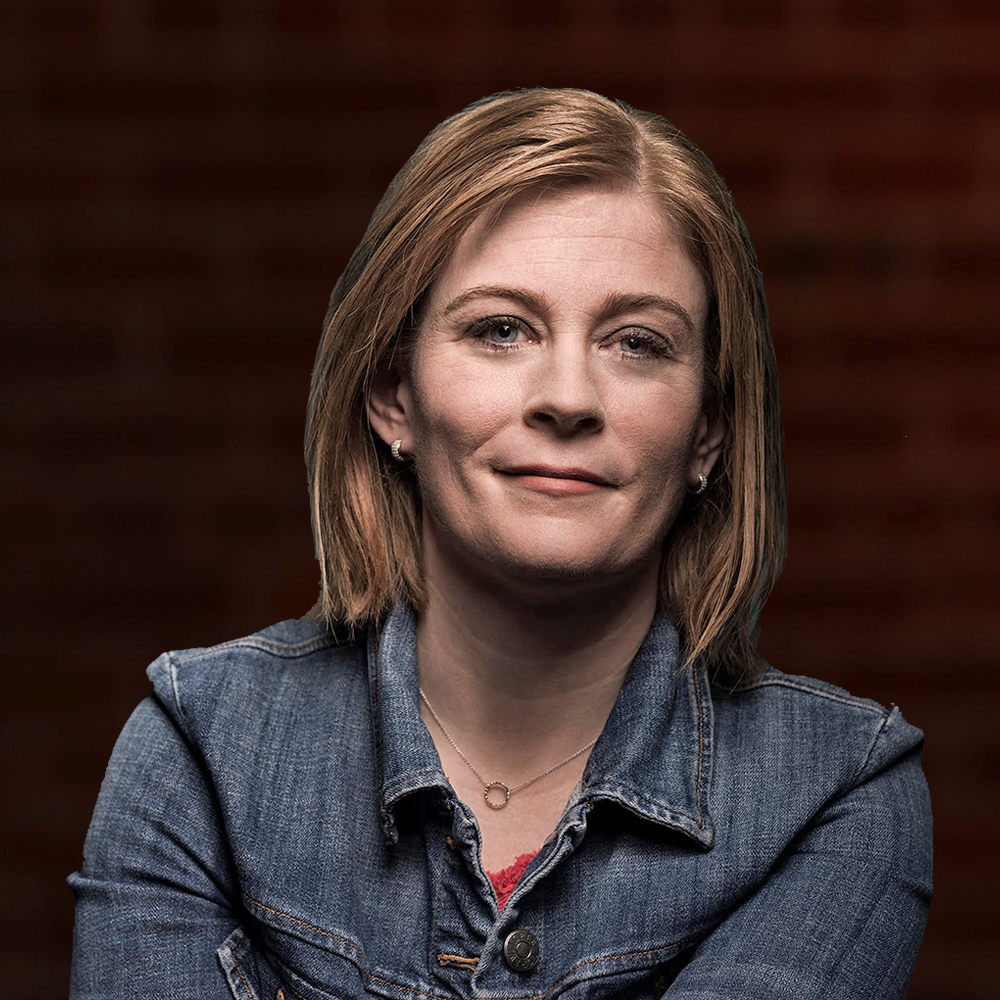
“It’s one of the more mature products that I see out there that people are using today, and it works,” said Lauren Cooney (pictured), founder and chief executive officer of Spark Labs. “You don’t have to cobble things together … it’s pretty seamless for the most part.”
Cooney spoke with Stu Miniman (@stu), host of theCUBE, SiliconANGLE Media’s mobile livestreaming studio, at the Cloud Foundry Summit in Boston, Massachusetts. They discussed the conference and Cloud Foundry’s ecosystem. (* Disclosure below.)
Cloud Foundry outlines complementary ecosystem
Cloud Foundry — which started in VMware, Inc., and then transferred to Pivotal Software, Inc. — has evolved into a sizable ecosystem that is helping a wide array of companies become digitally savvy and evolve into the digital space through open source. The number of members and the quality of end users are important to look at when assessing an ecosystem, according to Cooney, and Cloud Foundry has been successful so far.
“For example, you had T-Mobile on stage [at the event], and they have 1,700 users of Cloud Foundry that are actually building across that in their own company,” Cooney said. “So that right there is a pretty good number for one company.” Cloud Foundry is enterprise ready and it works, Cooney added.
Kubernetes and Cloud Foundry don’t compete against each other, either, according to Cooney. “Cloud Foundry and Kubernetes actually are complementary,” she said. “[On] both platforms there are tools that can be enabled on Cloud Foundry for … situations that developers and companies need. … [They are] two things running side by side that work with each other.”
Cooney is most excited about the new SUSE Cloud Application Platform that brings Kubernetes and Cloud Foundry together for Cloud.gov. “I think that is just phenomenal that they pulled that together,” she concluded.
Watch the complete video interview below, and be sure to check out more of SiliconANGLE’s and theCUBE’s coverage of the Cloud Foundry Summit. (* Disclosure: TheCUBE is a paid media partner for the Cloud Foundry Summit. Neither the Cloud Foundry Foundation, the event sponsor, nor other sponsors have editorial control over content on theCUBE or SiliconANGLE.)
Forgot Password
Almost there!
We just sent you a verification email. Please verify your account to gain access to
Cloud Foundry Summit 2018 | Boston. If you don’t think you received an email check your
spam folder.
In order to sign in, enter the email address you used to registered for the event. Once completed, you will receive an email with a verification link. Open this link to automatically sign into the site.
Register For Cloud Foundry Summit 2018 | Boston
Please fill out the information below. You will recieve an email with a verification link confirming your registration. Click the link to automatically sign into the site.
You’re almost there!
We just sent you a verification email. Please click the verification button in the email. Once your email address is verified, you will have full access to all event content for Cloud Foundry Summit 2018 | Boston.
I want my badge and interests to be visible to all attendees.
Checking this box will display your presense on the attendees list, view your profile and allow other attendees to contact you via 1-1 chat. Read the Privacy Policy. At any time, you can choose to disable this preference.
Select your Interests!
add
Upload your photo
Uploading..
OR
Connect via Twitter
Connect via Linkedin
EDIT PASSWORD
Share
Forgot Password
Almost there!
We just sent you a verification email. Please verify your account to gain access to
Cloud Foundry Summit 2018 | Boston. If you don’t think you received an email check your
spam folder.
In order to sign in, enter the email address you used to registered for the event. Once completed, you will receive an email with a verification link. Open this link to automatically sign into the site.
Sign in to gain access to Cloud Foundry Summit 2018 | Boston
Please sign in with LinkedIn to continue to Cloud Foundry Summit 2018 | Boston. Signing in with LinkedIn ensures a professional environment.
Lauren Cooney (@lcooney) joins CUBE host Stu Miniman (@stu) at Cloud Foundry Summit 2018 at the Boston Convention And Exhibition Center in Boston MA
#CloudFoundrySummit #theCUBE
https://siliconangle.com/2018/04/26/cloud-foundry-creates-complementary-ecosystem-diverse-usage-cfsummit/
Cloud Foundry creates complementary ecosystem for diverse usage
For many, the concept of digital transformation is considered a buzzword, but it’s quickly becoming apparent that there’s more to the trend. Across industries, from longstanding insurance companies to government institutions to hipster startups, the evolution is happening for modernizing applications and embracing developer-driven operations is through open-source. One popular platform, Cloud Foundry, is solidifying its ecosystem to enable the digital transformation in enterprise computing environments and beyond.
“It’s one of the more mature products that I see out there that people are using today, and it works,” said Lauren Cooney (pictured), founder and chief executive officer of Spark Labs. “You don’t have to cobble things together … it’s pretty seamless for the most part.”
Cooney spoke with Stu Miniman (@stu), host of theCUBE, SiliconANGLE Media’s mobile livestreaming studio, at the Cloud Foundry Summit in Boston, Massachusetts. They discussed the conference and Cloud Foundry’s ecosystem. (* Disclosure below.)
Cloud Foundry outlines complementary ecosystem
Cloud Foundry — which started in VMware, Inc., and then transferred to Pivotal Software, Inc. — has evolved into a sizable ecosystem that is helping a wide array of companies become digitally savvy and evolve into the digital space through open source. The number of members and the quality of end users are important to look at when assessing an ecosystem, according to Cooney, and Cloud Foundry has been successful so far.
“For example, you had T-Mobile on stage [at the event], and they have 1,700 users of Cloud Foundry that are actually building across that in their own company,” Cooney said. “So that right there is a pretty good number for one company.” Cloud Foundry is enterprise ready and it works, Cooney added.
Kubernetes and Cloud Foundry don’t compete against each other, either, according to Cooney. “Cloud Foundry and Kubernetes actually are complementary,” she said. “[On] both platforms there are tools that can be enabled on Cloud Foundry for … situations that developers and companies need. … [They are] two things running side by side that work with each other.”
Cooney is most excited about the new SUSE Cloud Application Platform that brings Kubernetes and Cloud Foundry together for Cloud.gov. “I think that is just phenomenal that they pulled that together,” she concluded.
Watch the complete video interview below, and be sure to check out more of SiliconANGLE’s and theCUBE’s coverage of the Cloud Foundry Summit. (* Disclosure: TheCUBE is a paid media partner for the Cloud Foundry Summit. Neither the Cloud Foundry Foundation, the event sponsor, nor other sponsors have editorial control over content on theCUBE or SiliconANGLE.)