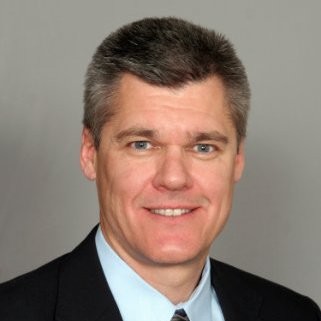
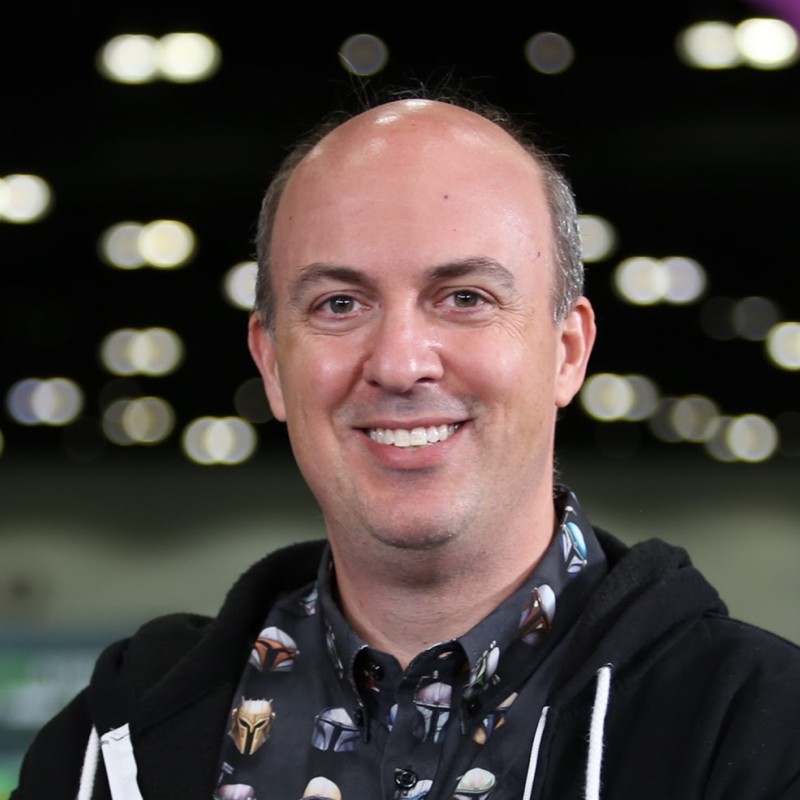
"The amount of data hitting mobile and fixed networks is going to grow at a dramatic pace over the next five years," Sony Ericsson VP of Advanced Technology Solutions Glenn Laxdal said in an interview in the SiliconAngle Cube from the Brocade Analyst Day. "We predicted in recent analysis that data will increase 15 times over the next five years. The networks will have to evolve very rapidly to deal with that."
Also, the nature of the traffic is changing as mobile computing endpoints -- smartphones and tablets -- become the largest driving forces in that growth. Today, he said, smartphone penetration is 50% in North America and 30% on average worldwide, growing to 80%-90% over the next five years. And those devices are growing rapidly in power. By next year, he predicted, new smartphones and tablets will have 1.5 Ghertz to 2 Ghertz dual-core and quad-core processors, "the equivalent of desktop computers today." These devices will consume larger and more complex data and run more complex apps, including business applications.
Simultaneously 4G/LTE networks will bring in new low-latency services such as VoIP. Apple's Siri is an early example of this kind of app. To deliver these low-latency services, he said, the traditional network topography with the data center at the center and the network extending out to connect end-point devices will need to be inverted. Because of the speed-of-light issue in delivering low-latency services and data across long distances, those applications will need to migrate to as close to the network edge as possible.
Simultaneously what Laxdal calls "the network of the future" that will support this huge population of powerful mobile devices will need both strong security and comprehensive orchestration layer that can, for instance, support instant provisioning of huge bandwidth bursts wherever they may be needed on the network.
The Ericsson-Brocade partnership is focused on the development of this network of the future, Laxdal said. "We are both technology providers, and we both deal in the network space. We don't compete, we collaborate.... We come from the network and telco side, and Brocade comes from the Ethernet side."
Those two sides, however, are moving in the same direction and coming closer together and moving toward Software-Defined Networking. "Our customers are our service providers -- AT&T, Verizon, Sprint, T-mobile. We work with our service-provider customers to aggressively evolve the new architectures needed to deal with that traffic, which includes the cloud. Ultimately that includes moving in the direction of Software-Defined Networking, which allows us to distribute the cloud as close to the edge of the network as possible."
It also supports the higher level of traffic and management that the new network will need, the strong security that Ericsson promises to build into the next generation cellular network, and the support for hybrid cloud architectures, which Laxdal says is an integral part of this vision.
"We see a world where more and more computing is moving to mobile end-points, and the network of the future we are building with our customers is purpose-built to deal with the cloud and enormous bursts of bandwidth requirements wherever those might happen on the network."
Forgot Password
Almost there!
We just sent you a verification email. Please verify your account to gain access to
Brocade Tech Day 2012 | San Jose. If you don’t think you received an email check your
spam folder.
In order to sign in, enter the email address you used to registered for the event. Once completed, you will receive an email with a verification link. Open this link to automatically sign into the site.
Register For Brocade Tech Day 2012 | San Jose
Please fill out the information below. You will recieve an email with a verification link confirming your registration. Click the link to automatically sign into the site.
You’re almost there!
We just sent you a verification email. Please click the verification button in the email. Once your email address is verified, you will have full access to all event content for Brocade Tech Day 2012 | San Jose.
I want my badge and interests to be visible to all attendees.
Checking this box will display your presense on the attendees list, view your profile and allow other attendees to contact you via 1-1 chat. Read the Privacy Policy. At any time, you can choose to disable this preference.
Select your Interests!
add
Upload your photo
Uploading..
OR
Connect via Twitter
Connect via Linkedin
EDIT PASSWORD
Share
Forgot Password
Almost there!
We just sent you a verification email. Please verify your account to gain access to
Brocade Tech Day 2012 | San Jose. If you don’t think you received an email check your
spam folder.
In order to sign in, enter the email address you used to registered for the event. Once completed, you will receive an email with a verification link. Open this link to automatically sign into the site.
Sign in to gain access to Brocade Tech Day 2012 | San Jose
Please sign in with LinkedIn to continue to Brocade Tech Day 2012 | San Jose. Signing in with LinkedIn ensures a professional environment.
Are you sure you want to remove access rights for this user?
Details
Manage Access
email address
Community Invitation
Glenn Laxdal - Brocade Tech Day - theCUBE
"The amount of data hitting mobile and fixed networks is going to grow at a dramatic pace over the next five years," Sony Ericsson VP of Advanced Technology Solutions Glenn Laxdal said in an interview in the SiliconAngle Cube from the Brocade Analyst Day. "We predicted in recent analysis that data will increase 15 times over the next five years. The networks will have to evolve very rapidly to deal with that."
Also, the nature of the traffic is changing as mobile computing endpoints -- smartphones and tablets -- become the largest driving forces in that growth. Today, he said, smartphone penetration is 50% in North America and 30% on average worldwide, growing to 80%-90% over the next five years. And those devices are growing rapidly in power. By next year, he predicted, new smartphones and tablets will have 1.5 Ghertz to 2 Ghertz dual-core and quad-core processors, "the equivalent of desktop computers today." These devices will consume larger and more complex data and run more complex apps, including business applications.
Simultaneously 4G/LTE networks will bring in new low-latency services such as VoIP. Apple's Siri is an early example of this kind of app. To deliver these low-latency services, he said, the traditional network topography with the data center at the center and the network extending out to connect end-point devices will need to be inverted. Because of the speed-of-light issue in delivering low-latency services and data across long distances, those applications will need to migrate to as close to the network edge as possible.
Simultaneously what Laxdal calls "the network of the future" that will support this huge population of powerful mobile devices will need both strong security and comprehensive orchestration layer that can, for instance, support instant provisioning of huge bandwidth bursts wherever they may be needed on the network.
The Ericsson-Brocade partnership is focused on the development of this network of the future, Laxdal said. "We are both technology providers, and we both deal in the network space. We don't compete, we collaborate.... We come from the network and telco side, and Brocade comes from the Ethernet side."
Those two sides, however, are moving in the same direction and coming closer together and moving toward Software-Defined Networking. "Our customers are our service providers -- AT&T, Verizon, Sprint, T-mobile. We work with our service-provider customers to aggressively evolve the new architectures needed to deal with that traffic, which includes the cloud. Ultimately that includes moving in the direction of Software-Defined Networking, which allows us to distribute the cloud as close to the edge of the network as possible."
It also supports the higher level of traffic and management that the new network will need, the strong security that Ericsson promises to build into the next generation cellular network, and the support for hybrid cloud architectures, which Laxdal says is an integral part of this vision.
"We see a world where more and more computing is moving to mobile end-points, and the network of the future we are building with our customers is purpose-built to deal with the cloud and enormous bursts of bandwidth requirements wherever those might happen on the network."