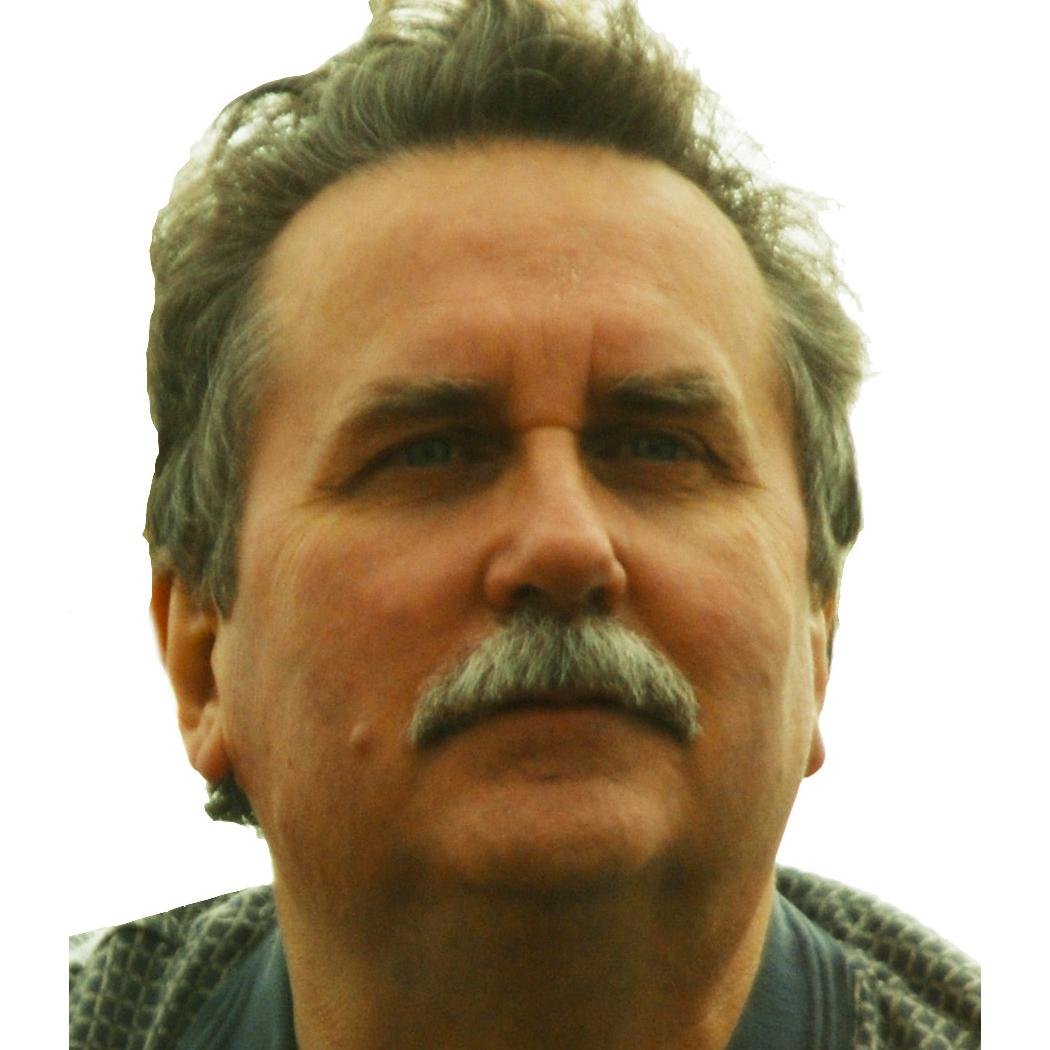
01. Dan Graham, Teradata, Visits #theCUBE!. (00:21)
02. Stephanie McReynolds, Alation, Visits #theCUBE!. (00:34)
03. Give Us Your View On The Transitions And Retrofitting. (01:02)
04. What Does The Coexistance Of Storage And Infrastructre Data Look Like. (03:04)
05. How Do We Get Actionalable Insight. (05:50)
06. How Do You Anticipate The User Community Is Going To Evolve. (07:26)
07. What Do You Think About Data Being Capital. (11:51)
08. What Is Your View On Operationalizing The Investment. (14:17)
09. What Do We Look For With Teradata And The Dots We Connect. (16:41)
10. What's The Bumper Sticker For The Show This Year. (19:30)
Track List created with http://www.vinjavideo.com.
--- ---
Is a sensor data explosion about to dwarf Big Data as we know it? | #BigDataSV
by R. Danes | Mar 31, 2016
Big Data is a big field with big promise and big challenges. It seems that for every creative or profitable use-case we see, a snafu with storing or working with data rears its head. Some questions facing companies collecting Big Data are: Who’s going to parse it, prepare it and turn it into useful information? And how will the company pay them?
In terms of corporate budgeting for the data team, “We are hitting a wall,” said Dan Graham, GM of enterprise systems at Teradata Corp.
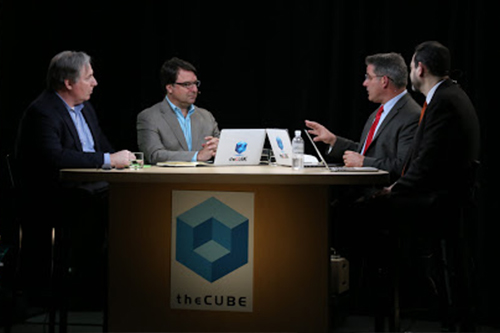
Graham told John Furrier (@furrier) and Peter Burris (@plburris), cohosts of theCUBE, from the SiliconANGLE Media team, that hiring more people for more data is not an operable model. He added that the data teams are going to need to become more productive, and the software is going to have to get smarter. “You have to automate it,” he said, referring to many data tasks not handled by workers.
The conversation took place during during the BigDataSV 2016 event in San Jose, California, where theCUBE is celebrating #BigDataWeek, including news and events from the #StrataHadoop conference.
theCUBE hosts also spoke with Stephanie McReynolds, VP of marketing at Alation, Inc., who spoke about the possibility of making data tasks social through crowdsourcing and other methods.
Graham’s pick for the future was sensor data (data-collected recording devices, such as cameras and satellites). “Sensor data is about to flood the world and make Big Data look like really small stuff,” he said. “It’s going to dwarf Big Data as we know it.”
All about the algorithm
McReynolds also said that defining the difference between the data and the algorithm is still a challenge when working with businesses. She cited studies showing that 50 to 70 percent of business managers still make decisions based on gut feeling even with data in front of them — and it’s because they don’t trust the data.
“You can send two of your best analysts out on the same inquiry, and they come back with two different answers, because they transformed the data in a different way,” she said. “We’ve got to figure out how to be more descriptive about the algorithm and how to apply it.”
@theCUBE
#BigDataSV #StrataHadoop
Forgot Password
Almost there!
We just sent you a verification email. Please verify your account to gain access to
BigData SV 2016 | San Jose. If you don’t think you received an email check your
spam folder.
In order to sign in, enter the email address you used to registered for the event. Once completed, you will receive an email with a verification link. Open this link to automatically sign into the site.
Register For BigData SV 2016 | San Jose
Please fill out the information below. You will recieve an email with a verification link confirming your registration. Click the link to automatically sign into the site.
You’re almost there!
We just sent you a verification email. Please click the verification button in the email. Once your email address is verified, you will have full access to all event content for BigData SV 2016 | San Jose.
I want my badge and interests to be visible to all attendees.
Checking this box will display your presense on the attendees list, view your profile and allow other attendees to contact you via 1-1 chat. Read the Privacy Policy. At any time, you can choose to disable this preference.
Select your Interests!
add
Upload your photo
Uploading..
OR
Connect via Twitter
Connect via Linkedin
EDIT PASSWORD
Share
Forgot Password
Almost there!
We just sent you a verification email. Please verify your account to gain access to
BigData SV 2016 | San Jose. If you don’t think you received an email check your
spam folder.
In order to sign in, enter the email address you used to registered for the event. Once completed, you will receive an email with a verification link. Open this link to automatically sign into the site.
Sign in to gain access to BigData SV 2016 | San Jose
Please sign in with LinkedIn to continue to BigData SV 2016 | San Jose. Signing in with LinkedIn ensures a professional environment.
Are you sure you want to remove access rights for this user?
Details
Manage Access
email address
Community Invitation
Dan Graham & Stephanie McReynolds - #BigDataSV 2016 - #theCUBE
01. Dan Graham, Teradata, Visits #theCUBE!. (00:21)
02. Stephanie McReynolds, Alation, Visits #theCUBE!. (00:34)
03. Give Us Your View On The Transitions And Retrofitting. (01:02)
04. What Does The Coexistance Of Storage And Infrastructre Data Look Like. (03:04)
05. How Do We Get Actionalable Insight. (05:50)
06. How Do You Anticipate The User Community Is Going To Evolve. (07:26)
07. What Do You Think About Data Being Capital. (11:51)
08. What Is Your View On Operationalizing The Investment. (14:17)
09. What Do We Look For With Teradata And The Dots We Connect. (16:41)
10. What's The Bumper Sticker For The Show This Year. (19:30)
Track List created with http://www.vinjavideo.com.
--- ---
Is a sensor data explosion about to dwarf Big Data as we know it? | #BigDataSV
by R. Danes | Mar 31, 2016
Big Data is a big field with big promise and big challenges. It seems that for every creative or profitable use-case we see, a snafu with storing or working with data rears its head. Some questions facing companies collecting Big Data are: Who’s going to parse it, prepare it and turn it into useful information? And how will the company pay them?
In terms of corporate budgeting for the data team, “We are hitting a wall,” said Dan Graham, GM of enterprise systems at Teradata Corp.
Graham told John Furrier (@furrier) and Peter Burris (@plburris), cohosts of theCUBE, from the SiliconANGLE Media team, that hiring more people for more data is not an operable model. He added that the data teams are going to need to become more productive, and the software is going to have to get smarter. “You have to automate it,” he said, referring to many data tasks not handled by workers.
The conversation took place during during the BigDataSV 2016 event in San Jose, California, where theCUBE is celebrating #BigDataWeek, including news and events from the #StrataHadoop conference.
theCUBE hosts also spoke with Stephanie McReynolds, VP of marketing at Alation, Inc., who spoke about the possibility of making data tasks social through crowdsourcing and other methods.
Graham’s pick for the future was sensor data (data-collected recording devices, such as cameras and satellites). “Sensor data is about to flood the world and make Big Data look like really small stuff,” he said. “It’s going to dwarf Big Data as we know it.”
All about the algorithm
McReynolds also said that defining the difference between the data and the algorithm is still a challenge when working with businesses. She cited studies showing that 50 to 70 percent of business managers still make decisions based on gut feeling even with data in front of them — and it’s because they don’t trust the data.
“You can send two of your best analysts out on the same inquiry, and they come back with two different answers, because they transformed the data in a different way,” she said. “We’ve got to figure out how to be more descriptive about the algorithm and how to apply it.”
@theCUBE
#BigDataSV #StrataHadoop