01. Premal Buch, Robin Systems, Visits #theCUBE!. (00:21)
02. Rajeev Madhavan, Robin Systems, Visits #theCUBE!. (00:25)
03. What Is The Problem Set That Robin Systems Addresses. (00:51)
04. Help Us Understand Using Hadoop With Virtual Machines. (02:04)
05. Do You Seperate Compu And Storage. (04:01)
06. How Do You Decide What Hot Data Needs To Be Stored. (05:34)
07. Is The Base Storage Layer A Single Name Space. (08:53)
08. Is The Third Layer The Application Itself. (10:05)
09. Is This A Partly Private Cloud And Partly Hybrid. (11:01)
10. So Is This Important To A Chief Data Officers Point Of View. (11:30)
11. What Scenerios Would You Stand Up Different Clusters For Different Applications. (12:00)
12. Are Customers Using This For Dev Tests And Pilot Ware. (14:12)
13. What Might This Look Like In Production. (15:60)
14. Are Current Resource Managers Static. (19:09)
15. Are Anyone Whos Got A Data Intensive Compu Framework Would Be All Over This. (21:18)
16. Would This Be The VM Ware Of The World. (22:48)
Track List created with http://www.vinjavideo.com.
--- ---
A virtual data lake that avoids ‘hadooplification’ | #BigDataNYC
by Andrew Ruggiero | Sep 29, 2015
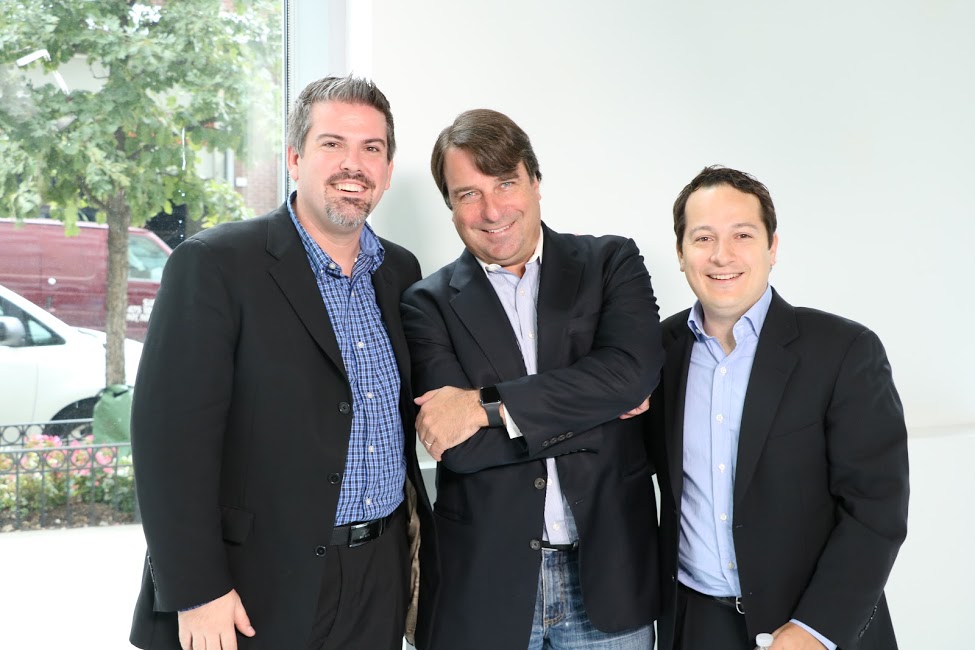
Data is expensive to move and often CPU intensive. What if you could get four times the performance with a factor of four decrease in cost … and use your own file system? George Gilbert, host of theCUBE, from the SiliconANGLE Media team, sat down with Premal Buch, president and CEO of Robin Systems, and Rajeev Madhavan, Chairman of Robin Systems, during BigDataNYC 2015.
Buch and Madhavan revealed what makes Robin Systems the next potential VMware, Inc.
Separating layers
Robin Systems has taken a unique approach in handling Big Data by separating data layers and using intelligent resource management combined with separating computing from data movement. By separating what was once a combined task, existing CPU resources can be spent on the application layer and not under the hood.
What makes it intelligent, though, is the way the Robin Systems has built its virtualized “data lake.” This data lake can then be accessed by clusters and nodes and avoids problems like “hadooplification.”
Unique to the field
The company has done this by categorizing data into a hot layer that may run on faster systems, like a cache, and a cold layer that can sit on older, legacy-type storage solutions. Even more unique to this prioritization of data is the intelligent analytics that help to determine what belongs in what layer based on usage patterns.
Additionally, customers can create customized rules that direct data to an appropriate layer automatically. This leads to cost savings in virtually all areas of data management and avoids problems like hadooplification. The platform also isn’t bound to Hadoop; it can run any of the major file systems. And the benefits of utilizing Robin Systems’ platform are still apparent. It can simply best be summed up as a platform that’s “application agnostic,” according to Buch.
@theCUBE
#BigDataNYC
Forgot Password
Almost there!
We just sent you a verification email. Please verify your account to gain access to
BigData NYC 2015 | New York. If you don’t think you received an email check your
spam folder.
In order to sign in, enter the email address you used to registered for the event. Once completed, you will receive an email with a verification link. Open this link to automatically sign into the site.
Register For BigData NYC 2015 | New York
Please fill out the information below. You will recieve an email with a verification link confirming your registration. Click the link to automatically sign into the site.
You’re almost there!
We just sent you a verification email. Please click the verification button in the email. Once your email address is verified, you will have full access to all event content for BigData NYC 2015 | New York.
I want my badge and interests to be visible to all attendees.
Checking this box will display your presense on the attendees list, view your profile and allow other attendees to contact you via 1-1 chat. Read the Privacy Policy. At any time, you can choose to disable this preference.
Select your Interests!
add
Upload your photo
Uploading..
OR
Connect via Twitter
Connect via Linkedin
EDIT PASSWORD
Share
Forgot Password
Almost there!
We just sent you a verification email. Please verify your account to gain access to
BigData NYC 2015 | New York. If you don’t think you received an email check your
spam folder.
In order to sign in, enter the email address you used to registered for the event. Once completed, you will receive an email with a verification link. Open this link to automatically sign into the site.
Sign in to gain access to BigData NYC 2015 | New York
Please sign in with LinkedIn to continue to BigData NYC 2015 | New York. Signing in with LinkedIn ensures a professional environment.
Are you sure you want to remove access rights for this user?
Details
Manage Access
email address
Community Invitation
Premal Buch & Rajeev Madhaven, Robin Systems - #BigDataNYC 2015 - #theCUBE
01. Premal Buch, Robin Systems, Visits #theCUBE!. (00:21)
02. Rajeev Madhavan, Robin Systems, Visits #theCUBE!. (00:25)
03. What Is The Problem Set That Robin Systems Addresses. (00:51)
04. Help Us Understand Using Hadoop With Virtual Machines. (02:04)
05. Do You Seperate Compu And Storage. (04:01)
06. How Do You Decide What Hot Data Needs To Be Stored. (05:34)
07. Is The Base Storage Layer A Single Name Space. (08:53)
08. Is The Third Layer The Application Itself. (10:05)
09. Is This A Partly Private Cloud And Partly Hybrid. (11:01)
10. So Is This Important To A Chief Data Officers Point Of View. (11:30)
11. What Scenerios Would You Stand Up Different Clusters For Different Applications. (12:00)
12. Are Customers Using This For Dev Tests And Pilot Ware. (14:12)
13. What Might This Look Like In Production. (15:60)
14. Are Current Resource Managers Static. (19:09)
15. Are Anyone Whos Got A Data Intensive Compu Framework Would Be All Over This. (21:18)
16. Would This Be The VM Ware Of The World. (22:48)
Track List created with http://www.vinjavideo.com.
--- ---
A virtual data lake that avoids ‘hadooplification’ | #BigDataNYC
by Andrew Ruggiero | Sep 29, 2015
Data is expensive to move and often CPU intensive. What if you could get four times the performance with a factor of four decrease in cost … and use your own file system? George Gilbert, host of theCUBE, from the SiliconANGLE Media team, sat down with Premal Buch, president and CEO of Robin Systems, and Rajeev Madhavan, Chairman of Robin Systems, during BigDataNYC 2015.
Buch and Madhavan revealed what makes Robin Systems the next potential VMware, Inc.
Separating layers
Robin Systems has taken a unique approach in handling Big Data by separating data layers and using intelligent resource management combined with separating computing from data movement. By separating what was once a combined task, existing CPU resources can be spent on the application layer and not under the hood.
What makes it intelligent, though, is the way the Robin Systems has built its virtualized “data lake.” This data lake can then be accessed by clusters and nodes and avoids problems like “hadooplification.”
Unique to the field
The company has done this by categorizing data into a hot layer that may run on faster systems, like a cache, and a cold layer that can sit on older, legacy-type storage solutions. Even more unique to this prioritization of data is the intelligent analytics that help to determine what belongs in what layer based on usage patterns.
Additionally, customers can create customized rules that direct data to an appropriate layer automatically. This leads to cost savings in virtually all areas of data management and avoids problems like hadooplification. The platform also isn’t bound to Hadoop; it can run any of the major file systems. And the benefits of utilizing Robin Systems’ platform are still apparent. It can simply best be summed up as a platform that’s “application agnostic,” according to Buch.
@theCUBE
#BigDataNYC