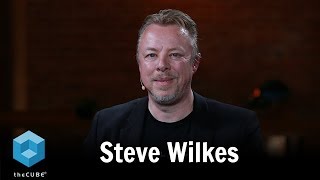
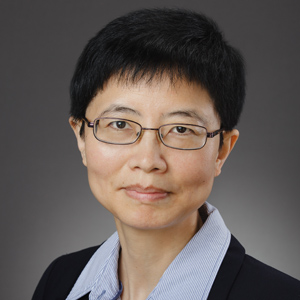
Ziya Ma talks with Lisa Martin & George Gilbert at Big Data SV 2018 at the Forager Eatery in San Jose, CA
#BigDataSV #theCUBE
https://siliconangle.com/2018/03/19/intel-works-across-tech-ecosystem-democratize-data-science-tools-expand-diversity-bigdatasv-wids2018-womenintech/
Intel works across tech ecosystem to democratize data science tools, expand diversity
One of the challenges confronting the data science industry is finding ways to make sophisticated analytics tools easier to use across cloud and data center platforms within multiple industries. The data layout matters, and Intel Corp. has issued the latest version of its Math Kernel Library in an effort to help developers leverage instruction sets and improve hardware or software performance.
The library is yet another step Intel has taken to expand the availability of tools and resources as it leverages the power of bringing the big data ecosystem and data sciences solutions together into a coherent whole. On the hardware side, Intel has introduced new tools to streamline software development on field programmable gate arrays. These powerful and versatile chips can process data at the edge and provide artificial intelligence support.
“We’re working with the top seven cloud service providers, both in the U.S. and in China, to democratize not only our hardware, but also our libraries and tools,” said Ziya Ma (pictured), vice president of the Software and Services Group at Intel. “Our goal is to provide all of the necessary solutions so that at the end, our customers can create the application, the solution that they really need to address their biggest pain points.”
Ma spoke with George Gilbert (@ggilbert41) and Lisa Martin (@LuccaZara), co-hosts of theCUBE, SiliconANGLE Media’s mobile livestreaming studio, at the BigData SV event in San Jose, California. In a separate appearance on theCUBE, Ma spoke with Martin at the Global Women in Data Science event held in Stanford, California. They discussed various projects that Intel is pursuing in the data science space, the company’s continued focus on a number of industry sectors, career advice for entering the data science field, and initiatives to expand diversity in the technology world.
This week, theCUBE spotlights Ziya Ma in our Women in Tech feature.
Graph project for deep learning
One key project that could go a long way toward democratizing tools is Intel’s Nervana Graph project. The company’s researchers are working on a hardware-independent representation for deep learning that can be executed across platforms with minimal effort.
“That will encapsulate the hardware integration details and present a consistent API for developers to work with,” said Ma, who expressed hope that the project will push more tools into the mainstream.
Intel has also been working on various data science applications for a wide range of industries. The company has engaged with customers across a broad cross-section of the enterprise ecosystem to better understand how data science can make a difference in the delivery of services or improved efficiency.
“We’re working with the financial services industry; we’re working with the manufacturing sector and customers from the medical field and online retailers, trying to help them create data science and analytic solutions,” Ma said. “We’re seeing very good progress in this area.”
Watch the complete video interview with Ma from the BigData SV event:
Forgot Password
Almost there!
We just sent you a verification email. Please verify your account to gain access to
BigData SV 2018 | San Jose. If you don’t think you received an email check your
spam folder.
In order to sign in, enter the email address you used to registered for the event. Once completed, you will receive an email with a verification link. Open this link to automatically sign into the site.
Register For BigData SV 2018 | San Jose
Please fill out the information below. You will recieve an email with a verification link confirming your registration. Click the link to automatically sign into the site.
You’re almost there!
We just sent you a verification email. Please click the verification button in the email. Once your email address is verified, you will have full access to all event content for BigData SV 2018 | San Jose.
I want my badge and interests to be visible to all attendees.
Checking this box will display your presense on the attendees list, view your profile and allow other attendees to contact you via 1-1 chat. Read the Privacy Policy. At any time, you can choose to disable this preference.
Select your Interests!
add
Upload your photo
Uploading..
OR
Connect via Twitter
Connect via Linkedin
EDIT PASSWORD
Share
Forgot Password
Almost there!
We just sent you a verification email. Please verify your account to gain access to
BigData SV 2018 | San Jose. If you don’t think you received an email check your
spam folder.
In order to sign in, enter the email address you used to registered for the event. Once completed, you will receive an email with a verification link. Open this link to automatically sign into the site.
Sign in to gain access to BigData SV 2018 | San Jose
Please sign in with LinkedIn to continue to BigData SV 2018 | San Jose. Signing in with LinkedIn ensures a professional environment.
Are you sure you want to remove access rights for this user?
Details
Manage Access
email address
Community Invitation
Ziya Ma, Intel | Big Data SV 2018
Ziya Ma talks with Lisa Martin & George Gilbert at Big Data SV 2018 at the Forager Eatery in San Jose, CA
#BigDataSV #theCUBE
https://siliconangle.com/2018/03/19/intel-works-across-tech-ecosystem-democratize-data-science-tools-expand-diversity-bigdatasv-wids2018-womenintech/
Intel works across tech ecosystem to democratize data science tools, expand diversity
One of the challenges confronting the data science industry is finding ways to make sophisticated analytics tools easier to use across cloud and data center platforms within multiple industries. The data layout matters, and Intel Corp. has issued the latest version of its Math Kernel Library in an effort to help developers leverage instruction sets and improve hardware or software performance.
The library is yet another step Intel has taken to expand the availability of tools and resources as it leverages the power of bringing the big data ecosystem and data sciences solutions together into a coherent whole. On the hardware side, Intel has introduced new tools to streamline software development on field programmable gate arrays. These powerful and versatile chips can process data at the edge and provide artificial intelligence support.
“We’re working with the top seven cloud service providers, both in the U.S. and in China, to democratize not only our hardware, but also our libraries and tools,” said Ziya Ma (pictured), vice president of the Software and Services Group at Intel. “Our goal is to provide all of the necessary solutions so that at the end, our customers can create the application, the solution that they really need to address their biggest pain points.”
Ma spoke with George Gilbert (@ggilbert41) and Lisa Martin (@LuccaZara), co-hosts of theCUBE, SiliconANGLE Media’s mobile livestreaming studio, at the BigData SV event in San Jose, California. In a separate appearance on theCUBE, Ma spoke with Martin at the Global Women in Data Science event held in Stanford, California. They discussed various projects that Intel is pursuing in the data science space, the company’s continued focus on a number of industry sectors, career advice for entering the data science field, and initiatives to expand diversity in the technology world.
This week, theCUBE spotlights Ziya Ma in our Women in Tech feature.
Graph project for deep learning
One key project that could go a long way toward democratizing tools is Intel’s Nervana Graph project. The company’s researchers are working on a hardware-independent representation for deep learning that can be executed across platforms with minimal effort.
“That will encapsulate the hardware integration details and present a consistent API for developers to work with,” said Ma, who expressed hope that the project will push more tools into the mainstream.
Intel has also been working on various data science applications for a wide range of industries. The company has engaged with customers across a broad cross-section of the enterprise ecosystem to better understand how data science can make a difference in the delivery of services or improved efficiency.
“We’re working with the financial services industry; we’re working with the manufacturing sector and customers from the medical field and online retailers, trying to help them create data science and analytic solutions,” Ma said. “We’re seeing very good progress in this area.”
Watch the complete video interview with Ma from the BigData SV event: