Have you seen Transformers 3? Star Treck Into Darkness? Flight? Looper? Underworld Awakening? Boardwalk Empire? Well then you've seen the handy work of Atomic Fiction. With around 35 employees based in Emeryville, California — Atomic Fiction is by no means small in production value. With a slew of huge projects already under its belt, it is a well known name in the visual effects community. Setting itself apart from the rest, Atomic Fiction is one of the first studios to tap into the cloud with AWS. Co-Founder Ryan Tudhope stopped by theCUBE to talk with co-hosts Dave Vellante and Jeff Frick at the #AWSsummit this afternoon.
The cloud immediately gave Atomic Fiction instant access to big-company infrastructure at a fraction of the cost. Here is the kicker, just like your electricity bill, they pay for only what they use. So all of that computer power they aren't using...they aren't paying for. The cloud is proving to be a true game changer in the visual effect space — one that is letting Atomic Fiction render at a fraction of the traditional cost to a big shop. All of that rendering is critical as a visual effects company. Tudhope likened it to "paint drying for an artist", when it needs to be done, it needs to be done. The cloud allows companies to treat computer power like a utility; you use it when you need it, how you need it, and only when you need it.
In explaining visual effects, Tudhope used the term "look photo-real" when discussing what the visual effects they make have to look like. "The last 10 percent is an order of magnitude harder than everything before it," said Tudhope. Noodling (as we learned they call it) is fine-tuning their craft, and in its rendering efforts Atomic Fuction sees huge spikes in the last 30 days of production. As an example he said that Atomic Fiction could render over one million core hours in the AWS cloud for a project. Of those a million plus hours, half would be in the last 30 days of production. If you had to built a localized render farm for the project, you're going to use a large percentage of the farm for only a small portion of the total project time. The rest of the time? Your localized render farm (which you're paying for) is going largely unused.
Interestingly enough, he described the visual effects industry as a whole as very friendly. Largely a project based industry, a lot of companies share talent between projects. The reason Atomic Fiction went to (and bet) on the cloud was more of a people thing than a technology thing. By not absolving the costs of traditional rendering infrastructure, Tudhope and his co-founder Kevin Baillie were able to build out a team of rockstar awesome people. Cost cuts where in the machine costs of rendering, not people costs of talent. I'd say Atomic Fiction is on to something...
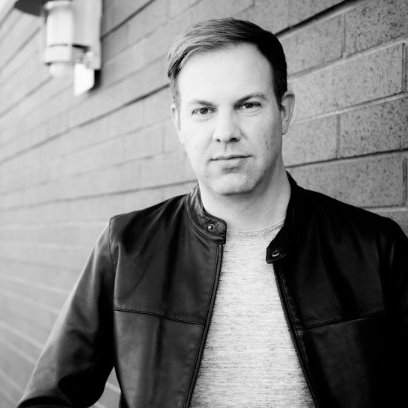
Ryan Tudhope, Atomic Fiction, at Amazon Web Summit 2013 with Dave Vellante and Jeff Frick.
Forgot Password
Almost there!
We just sent you a verification email. Please verify your account to gain access to
AWS Summit 2013 | San Francisco. If you don’t think you received an email check your
spam folder.
In order to sign in, enter the email address you used to registered for the event. Once completed, you will receive an email with a verification link. Open this link to automatically sign into the site.
Register For AWS Summit 2013 | San Francisco
Please fill out the information below. You will recieve an email with a verification link confirming your registration. Click the link to automatically sign into the site.
You’re almost there!
We just sent you a verification email. Please click the verification button in the email. Once your email address is verified, you will have full access to all event content for AWS Summit 2013 | San Francisco.
I want my badge and interests to be visible to all attendees.
Checking this box will display your presense on the attendees list, view your profile and allow other attendees to contact you via 1-1 chat. Read the Privacy Policy. At any time, you can choose to disable this preference.
Select your Interests!
add
Upload your photo
Uploading..
OR
Connect via Twitter
Connect via Linkedin
EDIT PASSWORD
Share
Forgot Password
Almost there!
We just sent you a verification email. Please verify your account to gain access to
AWS Summit 2013 | San Francisco. If you don’t think you received an email check your
spam folder.
In order to sign in, enter the email address you used to registered for the event. Once completed, you will receive an email with a verification link. Open this link to automatically sign into the site.
Sign in to gain access to AWS Summit 2013 | San Francisco
Please sign in with LinkedIn to continue to AWS Summit 2013 | San Francisco. Signing in with LinkedIn ensures a professional environment.
Are you sure you want to remove access rights for this user?
Details
Manage Access
email address
Community Invitation
Ryan Tudhope, Atomic Fiction | AWS Summit 2013
Have you seen Transformers 3? Star Treck Into Darkness? Flight? Looper? Underworld Awakening? Boardwalk Empire? Well then you've seen the handy work of Atomic Fiction. With around 35 employees based in Emeryville, California — Atomic Fiction is by no means small in production value. With a slew of huge projects already under its belt, it is a well known name in the visual effects community. Setting itself apart from the rest, Atomic Fiction is one of the first studios to tap into the cloud with AWS. Co-Founder Ryan Tudhope stopped by theCUBE to talk with co-hosts Dave Vellante and Jeff Frick at the #AWSsummit this afternoon.
The cloud immediately gave Atomic Fiction instant access to big-company infrastructure at a fraction of the cost. Here is the kicker, just like your electricity bill, they pay for only what they use. So all of that computer power they aren't using...they aren't paying for. The cloud is proving to be a true game changer in the visual effect space — one that is letting Atomic Fiction render at a fraction of the traditional cost to a big shop. All of that rendering is critical as a visual effects company. Tudhope likened it to "paint drying for an artist", when it needs to be done, it needs to be done. The cloud allows companies to treat computer power like a utility; you use it when you need it, how you need it, and only when you need it.
In explaining visual effects, Tudhope used the term "look photo-real" when discussing what the visual effects they make have to look like. "The last 10 percent is an order of magnitude harder than everything before it," said Tudhope. Noodling (as we learned they call it) is fine-tuning their craft, and in its rendering efforts Atomic Fuction sees huge spikes in the last 30 days of production. As an example he said that Atomic Fiction could render over one million core hours in the AWS cloud for a project. Of those a million plus hours, half would be in the last 30 days of production. If you had to built a localized render farm for the project, you're going to use a large percentage of the farm for only a small portion of the total project time. The rest of the time? Your localized render farm (which you're paying for) is going largely unused.
Interestingly enough, he described the visual effects industry as a whole as very friendly. Largely a project based industry, a lot of companies share talent between projects. The reason Atomic Fiction went to (and bet) on the cloud was more of a people thing than a technology thing. By not absolving the costs of traditional rendering infrastructure, Tudhope and his co-founder Kevin Baillie were able to build out a team of rockstar awesome people. Cost cuts where in the machine costs of rendering, not people costs of talent. I'd say Atomic Fiction is on to something...
Ryan Tudhope, Atomic Fiction, at Amazon Web Summit 2013 with Dave Vellante and Jeff Frick.