Is one-to-many replication the disaster recovery answer in the multi-cloud world? | #reInvent
The imperative to move to cloud is challenging enough for companies struggling to make the initial move off-premise. Then there are analysts and vendors saying companies should spread assets across multiple clouds and shuttle data between them. In the event of a disaster, will all of this data in flux be recoverable?
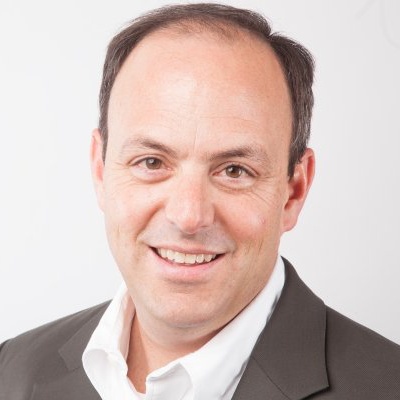
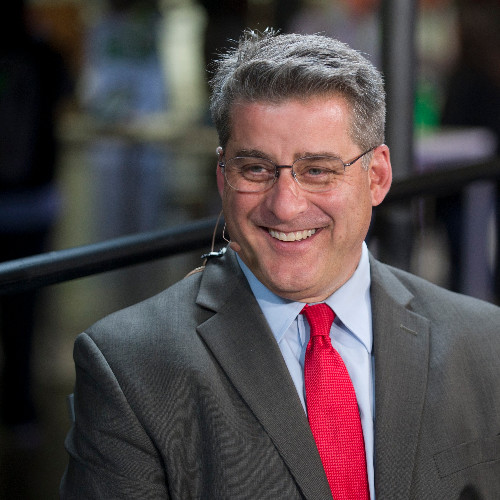
Joshua Stenhouse, technical evangelist at Zerto Ltd., and Bill Santos, president of Hosting.Com Inc., spoke to Stu Miniman (@stu), host of theCUBE*, from the SiliconANGLE Media, during the recent AWS re:Invent event about the roots of cloud and how they relate to disaster recovery. (*Disclosure below)
According to Stenhouse, the cloud (particularly AWS) was created to temporarily expand a data center to accommodate high demand occasions, like Black Friday. Disaster recover is in fact a strikingly similar use case for cloud, he said.
Out of one, many
With the recent Zerto 5.0 release, Stenhouse said that they’ve addressed the disaster recovery in the agile multi-cloud environment with one-to-many replication.
“Simultaneously, you can replicate a VM [Virtual Machine] within your local data center, so you can restore directly to production,” he explained, “And you can take that same VM, replicate it to your secondary data center, to Azure, to AWS, and have all of those copies just seconds of lag behind production.”
Home is where DR is
Santos said that many of his company’s customers want to maintain a data center in parallel to their new cloud home or homes. However, they’ve been vexed by the inability to keep backups in all of these places.
“Zerto’s ability to do that now really creates a tremendous amount of flexibility both from a DR standpoint, but also from a migration standpoint,” he said.
#reInvent
#theCUBE
Forgot Password
Almost there!
We just sent you a verification email. Please verify your account to gain access to
AWS re:Invent 2016 | Las Vegas. If you don’t think you received an email check your
spam folder.
In order to sign in, enter the email address you used to registered for the event. Once completed, you will receive an email with a verification link. Open this link to automatically sign into the site.
Register For AWS re:Invent 2016 | Las Vegas
Please fill out the information below. You will recieve an email with a verification link confirming your registration. Click the link to automatically sign into the site.
You’re almost there!
We just sent you a verification email. Please click the verification button in the email. Once your email address is verified, you will have full access to all event content for AWS re:Invent 2016 | Las Vegas.
I want my badge and interests to be visible to all attendees.
Checking this box will display your presense on the attendees list, view your profile and allow other attendees to contact you via 1-1 chat. Read the Privacy Policy. At any time, you can choose to disable this preference.
Select your Interests!
add
Upload your photo
Uploading..
OR
Connect via Twitter
Connect via Linkedin
EDIT PASSWORD
Share
Forgot Password
Almost there!
We just sent you a verification email. Please verify your account to gain access to
AWS re:Invent 2016 | Las Vegas. If you don’t think you received an email check your
spam folder.
In order to sign in, enter the email address you used to registered for the event. Once completed, you will receive an email with a verification link. Open this link to automatically sign into the site.
Sign in to gain access to AWS re:Invent 2016 | Las Vegas
Please sign in with LinkedIn to continue to AWS re:Invent 2016 | Las Vegas. Signing in with LinkedIn ensures a professional environment.
Are you sure you want to remove access rights for this user?
Details
Manage Access
email address
Community Invitation
Bill Santos & Joshua Stenhouse | AWS re:Invent 2016
Is one-to-many replication the disaster recovery answer in the multi-cloud world? | #reInvent
The imperative to move to cloud is challenging enough for companies struggling to make the initial move off-premise. Then there are analysts and vendors saying companies should spread assets across multiple clouds and shuttle data between them. In the event of a disaster, will all of this data in flux be recoverable?
Joshua Stenhouse, technical evangelist at Zerto Ltd., and Bill Santos, president of Hosting.Com Inc., spoke to Stu Miniman (@stu), host of theCUBE*, from the SiliconANGLE Media, during the recent AWS re:Invent event about the roots of cloud and how they relate to disaster recovery. (*Disclosure below)
According to Stenhouse, the cloud (particularly AWS) was created to temporarily expand a data center to accommodate high demand occasions, like Black Friday. Disaster recover is in fact a strikingly similar use case for cloud, he said.
Out of one, many
With the recent Zerto 5.0 release, Stenhouse said that they’ve addressed the disaster recovery in the agile multi-cloud environment with one-to-many replication.
“Simultaneously, you can replicate a VM [Virtual Machine] within your local data center, so you can restore directly to production,” he explained, “And you can take that same VM, replicate it to your secondary data center, to Azure, to AWS, and have all of those copies just seconds of lag behind production.”
Home is where DR is
Santos said that many of his company’s customers want to maintain a data center in parallel to their new cloud home or homes. However, they’ve been vexed by the inability to keep backups in all of these places.
“Zerto’s ability to do that now really creates a tremendous amount of flexibility both from a DR standpoint, but also from a migration standpoint,” he said.
#reInvent
#theCUBE