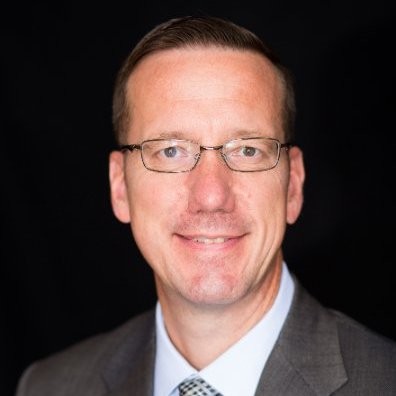
David Raymond, Director, U.S. Cyber Range, Virginia Tech talks with Jeff Frick at AWS Imagine EDU 2019 from the Washington State Convention Center in Seattle, WA.
#AWSImagine #VirginiaTech #theCUBE
https://siliconangle.com/2019/07/11/virginia-cyber-range-students-take-dead-aim-solving-cybersecurity-skills-gap-awsimagine/
Virginia Cyber Range students take dead aim at solving cybersecurity skills gap
If the United States has any hope of strengthening its cybersecurity defenses, the solution begins and ends with trained talent. One cybersecurity training program in Virginia has just expanded nationally in an effort to train more students, especially at the high school level, to defend against cyberattacks.
Started in 2016, the Virginia Cyber Range had a mission to educate as many students as possible — in public high schools and colleges across the state — about cybersecurity. It’s an important charter because there are 30,000 unfilled cybersecurity jobs in Virginia alone, according to the program’s director.
“That’s a serious problem, not only in Virginia, but nationwide,” said David Raymond (pictured), director of the Virginia Cyber Range and deputy director of information-technology security at Virginia Tech. “One of the ways to fix that is to get high school students exposed to cybersecurity classes. They’re really doing it, not just learning the words and passing the tests. And this has really grown like wildfire.”
Raymond spoke with Jeff Frick, host of theCUBE, SiliconANGLE Media’s mobile livestreaming studio, during the AWS Imagine event in Seattle. They discussed plans to expand the program nationally, attract students to the field as a future career and ensure that simulated attacks don’t affect live network operations (see the full interview with transcript here).
Plans for national expansion
On Wednesday, Virginia Tech announced that it would expand its program by offering cybersecurity education services to schools and businesses across the country in what will be called the U.S. Cyber Range. The name is derived from the military concept of target practice on a rifle range.
The program has met with early success in just three years. Approximately half of the state’s high schools are using Cyber Range in the curriculum, according to Raymond.
“We really think it has revolutionized cybersecurity education in the state,” Raymond said. “When they get to college, some of those students might have latched onto cybersecurity as a potential career field, and now we’ve got ’em.”
Participating students learn core tenets of confidentiality, integrity and availability as the basic components of security for any system. They also learn offensive and defensive cybersecurity, which raises the question of whether these newly acquired skills could lead to problems down the line.
Training is done on isolated networks, and the coursework includes plenty of ethics and legal material.
“They can do whatever they want without causing trouble on the school network or on the internet,” Raymond said. “You can’t teach somebody how to defend unless they understand how they are going to be attacked. Students understand the implications of what their actions would mean if they do it somewhere else.”
Forgot Password
Almost there!
We just sent you a verification email. Please verify your account to gain access to
AWS Imagine EDU 2019 | Seattle. If you don’t think you received an email check your
spam folder.
In order to sign in, enter the email address you used to registered for the event. Once completed, you will receive an email with a verification link. Open this link to automatically sign into the site.
Register For AWS Imagine EDU 2019 | Seattle
Please fill out the information below. You will recieve an email with a verification link confirming your registration. Click the link to automatically sign into the site.
You’re almost there!
We just sent you a verification email. Please click the verification button in the email. Once your email address is verified, you will have full access to all event content for AWS Imagine EDU 2019 | Seattle.
I want my badge and interests to be visible to all attendees.
Checking this box will display your presense on the attendees list, view your profile and allow other attendees to contact you via 1-1 chat. Read the Privacy Policy. At any time, you can choose to disable this preference.
Select your Interests!
add
Upload your photo
Uploading..
OR
Connect via Twitter
Connect via Linkedin
EDIT PASSWORD
Share
Forgot Password
Almost there!
We just sent you a verification email. Please verify your account to gain access to
AWS Imagine EDU 2019 | Seattle. If you don’t think you received an email check your
spam folder.
In order to sign in, enter the email address you used to registered for the event. Once completed, you will receive an email with a verification link. Open this link to automatically sign into the site.
Sign in to gain access to AWS Imagine EDU 2019 | Seattle
Please sign in with LinkedIn to continue to AWS Imagine EDU 2019 | Seattle. Signing in with LinkedIn ensures a professional environment.
Are you sure you want to remove access rights for this user?
Details
Manage Access
email address
Community Invitation
David Raymond, Virginia Tech | AWS Imagine EDU 2019
David Raymond, Director, U.S. Cyber Range, Virginia Tech talks with Jeff Frick at AWS Imagine EDU 2019 from the Washington State Convention Center in Seattle, WA.
#AWSImagine #VirginiaTech #theCUBE
https://siliconangle.com/2019/07/11/virginia-cyber-range-students-take-dead-aim-solving-cybersecurity-skills-gap-awsimagine/
Virginia Cyber Range students take dead aim at solving cybersecurity skills gap
If the United States has any hope of strengthening its cybersecurity defenses, the solution begins and ends with trained talent. One cybersecurity training program in Virginia has just expanded nationally in an effort to train more students, especially at the high school level, to defend against cyberattacks.
Started in 2016, the Virginia Cyber Range had a mission to educate as many students as possible — in public high schools and colleges across the state — about cybersecurity. It’s an important charter because there are 30,000 unfilled cybersecurity jobs in Virginia alone, according to the program’s director.
“That’s a serious problem, not only in Virginia, but nationwide,” said David Raymond (pictured), director of the Virginia Cyber Range and deputy director of information-technology security at Virginia Tech. “One of the ways to fix that is to get high school students exposed to cybersecurity classes. They’re really doing it, not just learning the words and passing the tests. And this has really grown like wildfire.”
Raymond spoke with Jeff Frick, host of theCUBE, SiliconANGLE Media’s mobile livestreaming studio, during the AWS Imagine event in Seattle. They discussed plans to expand the program nationally, attract students to the field as a future career and ensure that simulated attacks don’t affect live network operations (see the full interview with transcript here).
Plans for national expansion
On Wednesday, Virginia Tech announced that it would expand its program by offering cybersecurity education services to schools and businesses across the country in what will be called the U.S. Cyber Range. The name is derived from the military concept of target practice on a rifle range.
The program has met with early success in just three years. Approximately half of the state’s high schools are using Cyber Range in the curriculum, according to Raymond.
“We really think it has revolutionized cybersecurity education in the state,” Raymond said. “When they get to college, some of those students might have latched onto cybersecurity as a potential career field, and now we’ve got ’em.”
Participating students learn core tenets of confidentiality, integrity and availability as the basic components of security for any system. They also learn offensive and defensive cybersecurity, which raises the question of whether these newly acquired skills could lead to problems down the line.
Training is done on isolated networks, and the coursework includes plenty of ethics and legal material.
“They can do whatever they want without causing trouble on the school network or on the internet,” Raymond said. “You can’t teach somebody how to defend unless they understand how they are going to be attacked. Students understand the implications of what their actions would mean if they do it somewhere else.”