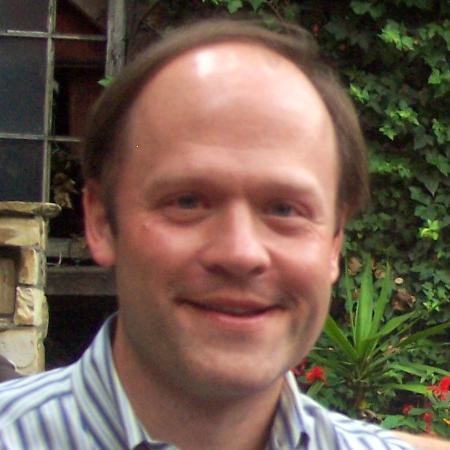
01. JJ Allaire, RStudio, Visits #theCUBE!. (00:20)
02. Tell Us About RStudio. (00:48)
03. What Is The Relationship Between The Old Language And New Computing Frame Work. (01:54)
04. Who Are The Tribes For The Different Languages. (03:57)
05. What Has Pushed The Walls Back To Allow Greater Applications. (05:04)
06. How Does It Work With The Different Tools Flowing Across The Data. (06:14)
07. What Is R Allowing Us To Do That Excites You. (08:29)
08. How Would I Put This Markdown Into Practice. (09:57)
09. When The Analysis Informs A User Do They Then Operationalize That. (11:24)
10. What Is The Goal Of The Shiny Applications. (12:27)
11. What Is The Next Phase For You With Spark. (14:24)
12. What Happens Using A Tool Like Pantaho To Build A Different App. (15:38)
Track List created with http://www.vinjavideo.com.
--- ---
What’s the story? Understanding the narrative around your data | #SparkBizApps
by R. Danes | Jun 6, 2016
Your data has a story to tell. Are you listening? Or are you forcing it into preset rows and columns? If so, you could be missing out on crucial and valuable information. If you want the most from data, you have to stop seeing it as a bunch of numbers to be logged and allow it to reveal its wisdom to you organically.
JJ Allaire, founder and CEO of RStudio, Inc., said that while templates are great because they allow you to get started easily, they can leave a lot of your data’s story untold. He recommended open-ended tools that allow for your applications to come out in whatever configuration best suits them.
Allaire spoke to John Walls and George Gilbert, cohosts of theCUBE, from the SiliconANGLE Media team, during the Apache Spark Maker Community event in San Francisco. Allaire said that with RStudio’s tool Shiny that “instead of fitting what you’re trying to express into a template,” you can let the data speak for itself, as it were. “Instead, you can create arbitrarily complex or interactive web applications,” he said, adding you can literally create “anything you can imagine.”
Listen first, write later
Allaire said that the very first step in building the best data applications is to parse the narrative around your data. He said with any business intelligence tool, the idea has always been: “I’m trying to make a case for something. I’m trying to tell a story about something.”
He stated that RStudio’s R Markdown allows a small-to-medium-sized data set to tell its story and inform the kind of application you need to write. “It lets you communicate [about data] in a lot of different ways” using visualizations, models, statistics and narratives, he explained. “There’s always a context and narrative around data,” he said, and you need tools that help you listen to the story to determine where to go next.
Forgot Password
Almost there!
We just sent you a verification email. Please verify your account to gain access to
Apache Spark Maker Community Event, by IBM 2016 | San Francisco. If you don’t think you received an email check your
spam folder.
Sign in to Apache Spark Maker Community Event, by IBM 2016 | San Francisco.
In order to sign in, enter the email address you used to registered for the event. Once completed, you will receive an email with a verification link. Open this link to automatically sign into the site.
Register For Apache Spark Maker Community Event, by IBM 2016 | San Francisco
Please fill out the information below. You will recieve an email with a verification link confirming your registration. Click the link to automatically sign into the site.
You’re almost there!
We just sent you a verification email. Please click the verification button in the email. Once your email address is verified, you will have full access to all event content for Apache Spark Maker Community Event, by IBM 2016 | San Francisco.
I want my badge and interests to be visible to all attendees.
Checking this box will display your presense on the attendees list, view your profile and allow other attendees to contact you via 1-1 chat. Read the Privacy Policy. At any time, you can choose to disable this preference.
Select your Interests!
add
Upload your photo
Uploading..
OR
Connect via Twitter
Connect via Linkedin
EDIT PASSWORD
Share
Forgot Password
Almost there!
We just sent you a verification email. Please verify your account to gain access to
Apache Spark Maker Community Event, by IBM 2016 | San Francisco. If you don’t think you received an email check your
spam folder.
Sign in to Apache Spark Maker Community Event, by IBM 2016 | San Francisco.
In order to sign in, enter the email address you used to registered for the event. Once completed, you will receive an email with a verification link. Open this link to automatically sign into the site.
Sign in to gain access to Apache Spark Maker Community Event, by IBM 2016 | San Francisco
Please sign in with LinkedIn to continue to Apache Spark Maker Community Event, by IBM 2016 | San Francisco. Signing in with LinkedIn ensures a professional environment.
01. JJ Allaire, RStudio, Visits #theCUBE!. (00:20)
02. Tell Us About RStudio. (00:48)
03. What Is The Relationship Between The Old Language And New Computing Frame Work. (01:54)
04. Who Are The Tribes For The Different Languages. (03:57)
05. What Has Pushed The Walls Back To Allow Greater Applications. (05:04)
06. How Does It Work With The Different Tools Flowing Across The Data. (06:14)
07. What Is R Allowing Us To Do That Excites You. (08:29)
08. How Would I Put This Markdown Into Practice. (09:57)
09. When The Analysis Informs A User Do They Then Operationalize That. (11:24)
10. What Is The Goal Of The Shiny Applications. (12:27)
11. What Is The Next Phase For You With Spark. (14:24)
12. What Happens Using A Tool Like Pantaho To Build A Different App. (15:38)
Track List created with http://www.vinjavideo.com.
--- ---
What’s the story? Understanding the narrative around your data | #SparkBizApps
by R. Danes | Jun 6, 2016
Your data has a story to tell. Are you listening? Or are you forcing it into preset rows and columns? If so, you could be missing out on crucial and valuable information. If you want the most from data, you have to stop seeing it as a bunch of numbers to be logged and allow it to reveal its wisdom to you organically.
JJ Allaire, founder and CEO of RStudio, Inc., said that while templates are great because they allow you to get started easily, they can leave a lot of your data’s story untold. He recommended open-ended tools that allow for your applications to come out in whatever configuration best suits them.
Allaire spoke to John Walls and George Gilbert, cohosts of theCUBE, from the SiliconANGLE Media team, during the Apache Spark Maker Community event in San Francisco. Allaire said that with RStudio’s tool Shiny that “instead of fitting what you’re trying to express into a template,” you can let the data speak for itself, as it were. “Instead, you can create arbitrarily complex or interactive web applications,” he said, adding you can literally create “anything you can imagine.”
Listen first, write later
Allaire said that the very first step in building the best data applications is to parse the narrative around your data. He said with any business intelligence tool, the idea has always been: “I’m trying to make a case for something. I’m trying to tell a story about something.”
He stated that RStudio’s R Markdown allows a small-to-medium-sized data set to tell its story and inform the kind of application you need to write. “It lets you communicate [about data] in a lot of different ways” using visualizations, models, statistics and narratives, he explained. “There’s always a context and narrative around data,” he said, and you need tools that help you listen to the story to determine where to go next.