René Dankwerth, General Manager at RECARO Aircraft Seating Americas, LLC, talks with Jeff Frick at the Alaska Elevated Experience event at San Francisco International Airport.
Alaska Airlines and others ‘tech out’ planes, apps and more to land flyers
https://siliconangle.com/2019/03/14/alaska-airlines-others-tech-planes-apps-land-flyers-alaskaelevated/
Technology is taking to the skies. Airlines are staking new competitive territory with tech on and off planes. Data-driven applications, on-board Wi-Fi connectivity, and virtual reality are just some things they are offering to tech-savvy flyers.
Alaska Airlines Inc. is among those looking to leverage technology to revolutionize flyers’ experiences. It merged about two years ago with Virgin America. On the list of new initiatives from Alaska Airlines include seating and dining improvements, as well as various technological advancements to do things like order-ahead snacks and beverages from airport lounges.
Alaska is not just jumping on the technology bandwagon, according to Annabel Chang, vice president, Bay Area, at Alaska Airlines. “Alaska Airlines was the first ever to have the kiosks and mobile check in,” she said. “And we continue to look for ways to be top in the field.”
This is only natural for an airline surrounded by the most advanced technological innovation. Alaska Airlines is based in Seattle, Washington, America’s fastest-growing tech hub. And it now serves six locations in Northern California, the tech capital of the world.
“We want to be your top West Coast airline, and the West Coast is obviously the tech hub of the entire world,” Chang said. “We know that our travelers care very much about technology, so we’re looking at ways to be creative.”
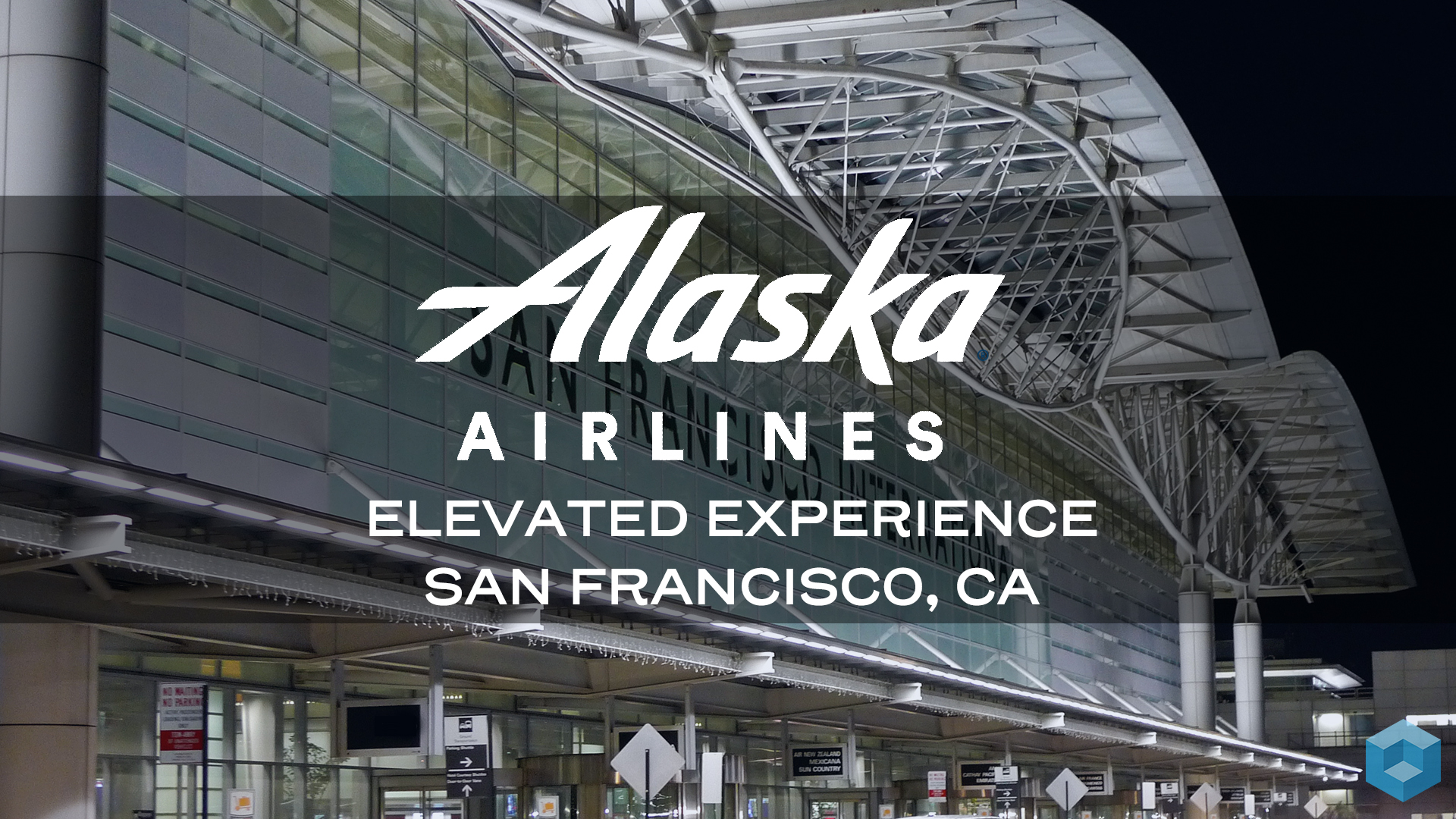
Chang spoke with Jeff Frick (@JeffFrick), host of theCUBE, SiliconANGLE Media’s mobile livestreaming studio, during the recent Alaska Airlines Elevated Flight Experience event in San Francisco. Chang, along with other Alaska employees and partners, discussed the Alaska-Virgin merger and Alaska’s latest plans to enhance flyer experience with technology and more.
Airlines are changing the way people travel, from the moment they begin planning a trip to the time they return. European airline EasyJet Airline Co. Ltd. is using data analytics for everything from customer trip-planning to predictive analytics. EasyJet hoards all of the data it can get — on its planes, on its customers, where they go, what they do, what they eat. No data set is discarded as rubbish, Phil Wood, director of IT service delivery at EasyJet, told theCUBE in January.
“Every day, we’re coming up with new ideas or new bits of information that, at the time, we never thought we needed to know, but that actually turns out to be an absolutely crucial part of our offer,” Wood said.
EasyJet is using data from customers and other sources to map out entire trips for users. Its web application has a feature that plans an entire trip in one tap. Users enter whatever amount of money they’re willing to spend, and the app returns an itinerary, complete with a flight to a particular city, a hotel, and a local event to attend.
What many travelers would like most is for tech to eliminate the dreaded lines and security checks at airports. Many airports are now using biometrics to help travelers quickly cut through the identity and security holdups. Seventy-one percent of airlines and 77 percent of airports plan research and development projects in biometrics ID management in next three years, according to SITA’s “Air Transport IT Insights 2018” report.
Air travelers may have noticed the kiosks from Clear (by Alclear LLC) in airports around the country. With a subscription to Clear, users can breeze through airport security in under five minutes, the company claims. Users verify their identity with a fingerprint or iris scan at kiosks to bypass some lines.
“Up until now, any time you want to increase security, it diminishes the consumer experience,” Ken Cornick, co-founder, president and chief financial officer of Clear, told theCUBE in 2017. “We can increase security while making better consumer experiences.”
And anyone who has ever missed a flight has no doubt wished the pilot could have waited five darned minutes to take off. It turns out, many planes can afford to wait for late passengers. United Continental Holdings Inc. is piloting a program called Dynamic D-0 at its Denver airport. It leverages special software and coordinates data with United’s connecting passenger roster to determine whether a brief delay can be made up for in flight. Its operations center then selects the flights to hold for late passengers. So far, Dynamic D-o has saved thousands of passengers from missing a flight.
...............................
#AlaskaElevated #AlaskaAirlines #theCUBE @Alaska Airlines @SiliconANGLE theCUBE #theCUBE @theCUBE @recarousa #Recaro
Forgot Password
Almost there!
We just sent you a verification email. Please verify your account to gain access to
Alaska Airlines Elevated Experience 2019 | SFP. If you don’t think you received an email check your
spam folder.
Sign in to Alaska Airlines Elevated Experience 2019 | SFP.
In order to sign in, enter the email address you used to registered for the event. Once completed, you will receive an email with a verification link. Open this link to automatically sign into the site.
Register For Alaska Airlines Elevated Experience 2019 | SFP
Please fill out the information below. You will recieve an email with a verification link confirming your registration. Click the link to automatically sign into the site.
You’re almost there!
We just sent you a verification email. Please click the verification button in the email. Once your email address is verified, you will have full access to all event content for Alaska Airlines Elevated Experience 2019 | SFP.
I want my badge and interests to be visible to all attendees.
Checking this box will display your presense on the attendees list, view your profile and allow other attendees to contact you via 1-1 chat. Read the Privacy Policy. At any time, you can choose to disable this preference.
Select your Interests!
add
Upload your photo
Uploading..
OR
Connect via Twitter
Connect via Linkedin
EDIT PASSWORD
Share
Forgot Password
Almost there!
We just sent you a verification email. Please verify your account to gain access to
Alaska Airlines Elevated Experience 2019 | SFP. If you don’t think you received an email check your
spam folder.
Sign in to Alaska Airlines Elevated Experience 2019 | SFP.
In order to sign in, enter the email address you used to registered for the event. Once completed, you will receive an email with a verification link. Open this link to automatically sign into the site.
Sign in to gain access to Alaska Airlines Elevated Experience 2019 | SFP
Please sign in with LinkedIn to continue to Alaska Airlines Elevated Experience 2019 | SFP. Signing in with LinkedIn ensures a professional environment.
René Dankwerth, General Manager at RECARO Aircraft Seating Americas, LLC, talks with Jeff Frick at the Alaska Elevated Experience event at San Francisco International Airport.
Alaska Airlines and others ‘tech out’ planes, apps and more to land flyers
https://siliconangle.com/2019/03/14/alaska-airlines-others-tech-planes-apps-land-flyers-alaskaelevated/
Technology is taking to the skies. Airlines are staking new competitive territory with tech on and off planes. Data-driven applications, on-board Wi-Fi connectivity, and virtual reality are just some things they are offering to tech-savvy flyers.
Alaska Airlines Inc. is among those looking to leverage technology to revolutionize flyers’ experiences. It merged about two years ago with Virgin America. On the list of new initiatives from Alaska Airlines include seating and dining improvements, as well as various technological advancements to do things like order-ahead snacks and beverages from airport lounges.
Alaska is not just jumping on the technology bandwagon, according to Annabel Chang, vice president, Bay Area, at Alaska Airlines. “Alaska Airlines was the first ever to have the kiosks and mobile check in,” she said. “And we continue to look for ways to be top in the field.”
This is only natural for an airline surrounded by the most advanced technological innovation. Alaska Airlines is based in Seattle, Washington, America’s fastest-growing tech hub. And it now serves six locations in Northern California, the tech capital of the world.
“We want to be your top West Coast airline, and the West Coast is obviously the tech hub of the entire world,” Chang said. “We know that our travelers care very much about technology, so we’re looking at ways to be creative.”
Chang spoke with Jeff Frick (@JeffFrick), host of theCUBE, SiliconANGLE Media’s mobile livestreaming studio, during the recent Alaska Airlines Elevated Flight Experience event in San Francisco. Chang, along with other Alaska employees and partners, discussed the Alaska-Virgin merger and Alaska’s latest plans to enhance flyer experience with technology and more.
Airlines are changing the way people travel, from the moment they begin planning a trip to the time they return. European airline EasyJet Airline Co. Ltd. is using data analytics for everything from customer trip-planning to predictive analytics. EasyJet hoards all of the data it can get — on its planes, on its customers, where they go, what they do, what they eat. No data set is discarded as rubbish, Phil Wood, director of IT service delivery at EasyJet, told theCUBE in January.
“Every day, we’re coming up with new ideas or new bits of information that, at the time, we never thought we needed to know, but that actually turns out to be an absolutely crucial part of our offer,” Wood said.
EasyJet is using data from customers and other sources to map out entire trips for users. Its web application has a feature that plans an entire trip in one tap. Users enter whatever amount of money they’re willing to spend, and the app returns an itinerary, complete with a flight to a particular city, a hotel, and a local event to attend.
What many travelers would like most is for tech to eliminate the dreaded lines and security checks at airports. Many airports are now using biometrics to help travelers quickly cut through the identity and security holdups. Seventy-one percent of airlines and 77 percent of airports plan research and development projects in biometrics ID management in next three years, according to SITA’s “Air Transport IT Insights 2018” report.
Air travelers may have noticed the kiosks from Clear (by Alclear LLC) in airports around the country. With a subscription to Clear, users can breeze through airport security in under five minutes, the company claims. Users verify their identity with a fingerprint or iris scan at kiosks to bypass some lines.
“Up until now, any time you want to increase security, it diminishes the consumer experience,” Ken Cornick, co-founder, president and chief financial officer of Clear, told theCUBE in 2017. “We can increase security while making better consumer experiences.”
And anyone who has ever missed a flight has no doubt wished the pilot could have waited five darned minutes to take off. It turns out, many planes can afford to wait for late passengers. United Continental Holdings Inc. is piloting a program called Dynamic D-0 at its Denver airport. It leverages special software and coordinates data with United’s connecting passenger roster to determine whether a brief delay can be made up for in flight. Its operations center then selects the flights to hold for late passengers. So far, Dynamic D-o has saved thousands of passengers from missing a flight.
...............................
#AlaskaElevated #AlaskaAirlines #theCUBE @Alaska Airlines @SiliconANGLE theCUBE #theCUBE @theCUBE @recarousa #Recaro