Exploring Collaborative Innovation: SAS and Intel at SAS Innovate 2025
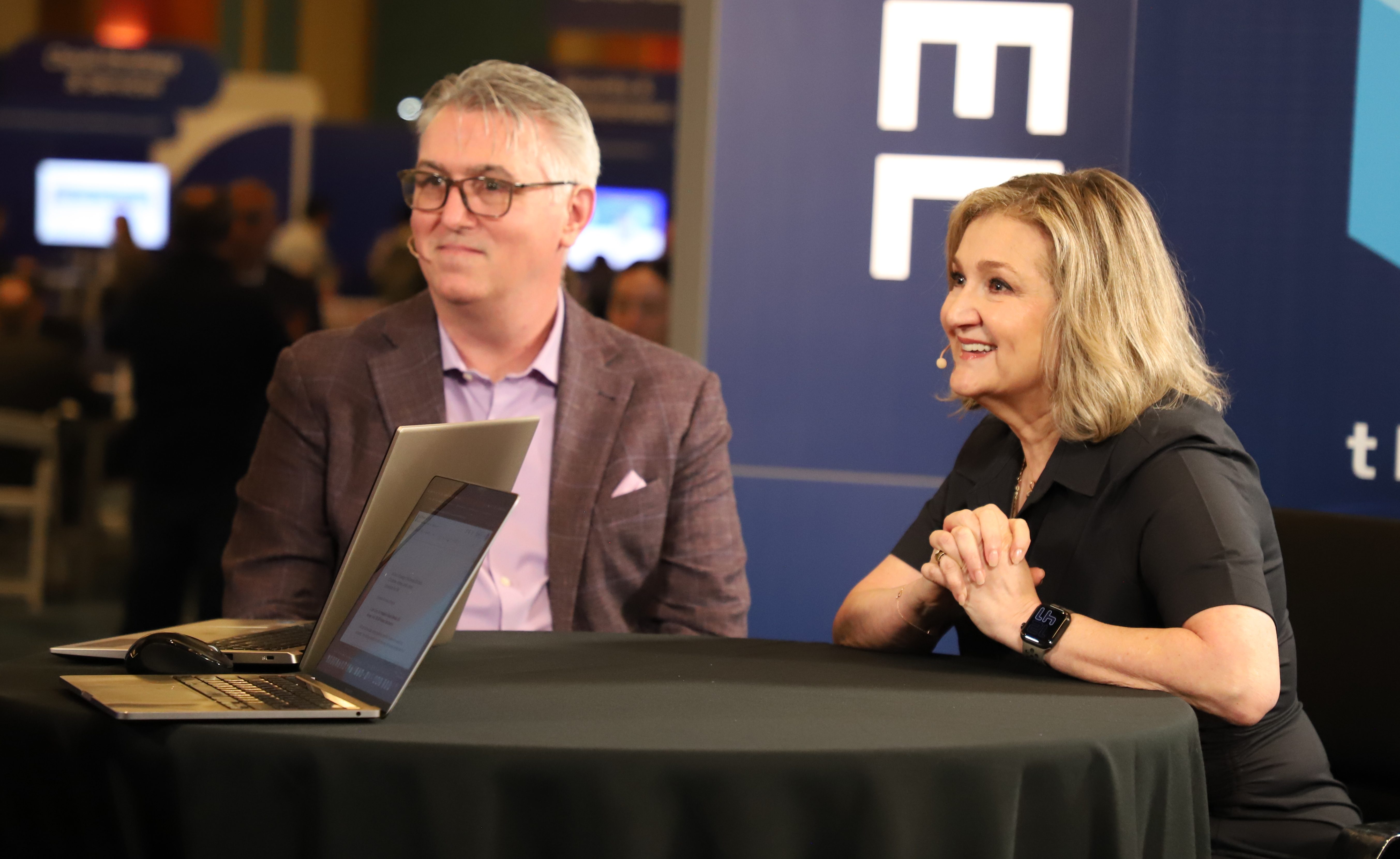
John Carey, vice president of global channels at SAS, and Muge Tanik, general manager of ISV partnerships at Intel Americas, discuss the strategic collaboration between SAS and Intel at the SAS Innovate 2025 event. The conversation, moderated by theCUBE, delves into how these two industry leaders work together to drive innovation and address complex challenges.
In this insightful discussion, Carey shares expertise on strengthening SAS's capabilities through Intel's technological advancements. The conversation highlights the enduring partnership between SAS and Intel, emphasizing their commitment to data-driven innovation. Topics include engineering collaboration, silicon-based acceleration, and the role of artificial intelligence, showcasing how the companies jointly enhance customer experiences.
Key takeaways from the session include an exploration of AI's impact within the industry, underscoring SAS and Intel's focus on delivering optimized and cost-effective solutions, according to Carey and Tanik. Additionally, the conversation highlights the significance of roadmap alignment and emerging technologies such as quantum computing as essential enablers in the ongoing collaboration, attributing these insights to the expertise of both companies' representatives.
Forgot Password
Almost there!
We just sent you a verification email. Please verify your account to gain access to
SAS Innovate 2025. If you don’t think you received an email check your
spam folder.
In order to sign in, enter the email address you used to registered for the event. Once completed, you will receive an email with a verification link. Open this link to automatically sign into the site.
Register For SAS Innovate 2025
Please fill out the information below. You will recieve an email with a verification link confirming your registration. Click the link to automatically sign into the site.
You’re almost there!
We just sent you a verification email. Please click the verification button in the email. Once your email address is verified, you will have full access to all event content for SAS Innovate 2025.
I want my badge and interests to be visible to all attendees.
Checking this box will display your presense on the attendees list, view your profile and allow other attendees to contact you via 1-1 chat. Read the Privacy Policy. At any time, you can choose to disable this preference.
Select your Interests!
add
Upload your photo
Uploading..
OR
Connect via Twitter
Connect via Linkedin
EDIT PASSWORD
Share
Forgot Password
Almost there!
We just sent you a verification email. Please verify your account to gain access to
SAS Innovate 2025. If you don’t think you received an email check your
spam folder.
In order to sign in, enter the email address you used to registered for the event. Once completed, you will receive an email with a verification link. Open this link to automatically sign into the site.
Sign in to gain access to SAS Innovate 2025
Please sign in with LinkedIn to continue to SAS Innovate 2025. Signing in with LinkedIn ensures a professional environment.
Are you sure you want to remove access rights for this user?
Details
Manage Access
email address
Community Invitation
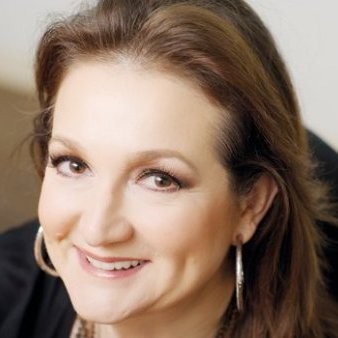
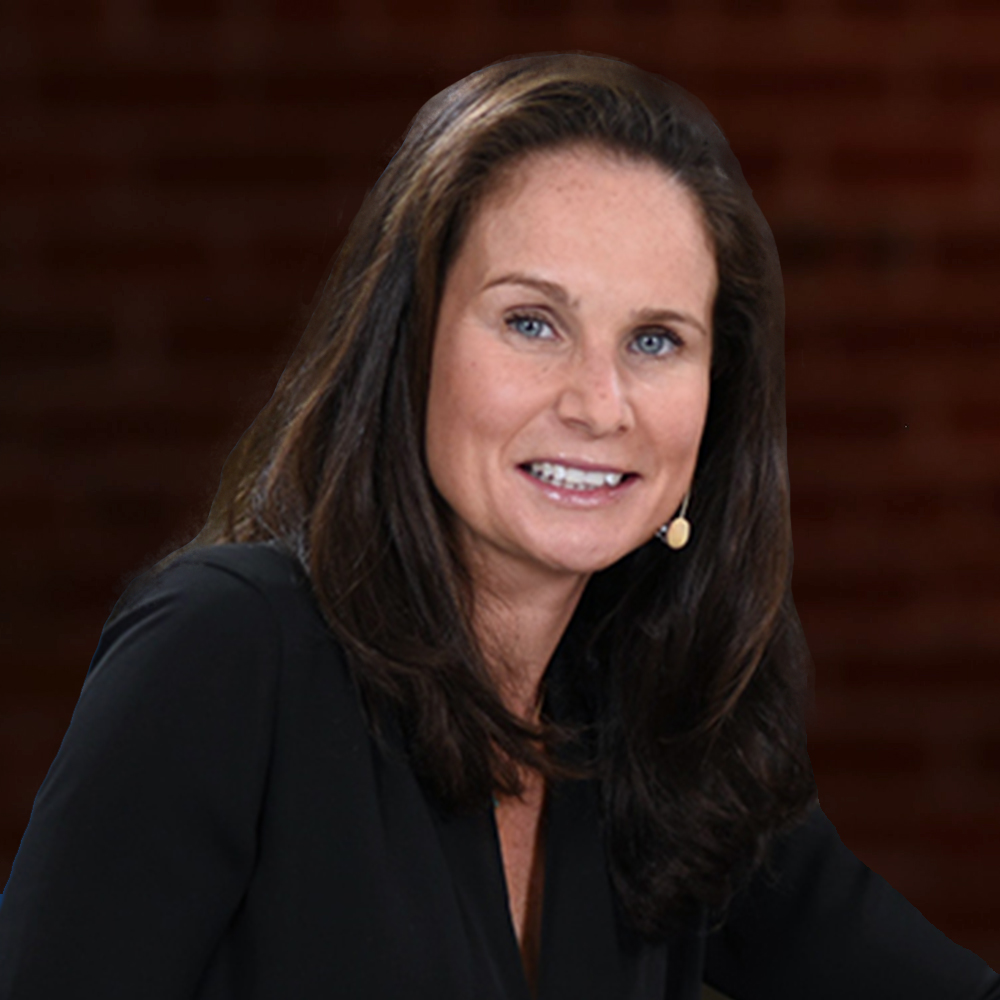
John Carey, SAS & Muge Tanik, Intel
Exploring Collaborative Innovation: SAS and Intel at SAS Innovate 2025
John Carey, vice president of global channels at SAS, and Muge Tanik, general manager of ISV partnerships at Intel Americas, discuss the strategic collaboration between SAS and Intel at the SAS Innovate 2025 event. The conversation, moderated by theCUBE, delves into how these two industry leaders work together to drive innovation and address complex challenges.
In this insightful discussion, Carey shares expertise on strengthening SAS's capabilities through Intel's technological advancements. The conversation highlights the enduring partnership between SAS and Intel, emphasizing their commitment to data-driven innovation. Topics include engineering collaboration, silicon-based acceleration, and the role of artificial intelligence, showcasing how the companies jointly enhance customer experiences.
Key takeaways from the session include an exploration of AI's impact within the industry, underscoring SAS and Intel's focus on delivering optimized and cost-effective solutions, according to Carey and Tanik. Additionally, the conversation highlights the significance of roadmap alignment and emerging technologies such as quantum computing as essential enablers in the ongoing collaboration, attributing these insights to the expertise of both companies' representatives.
Exploring Collaborative Innovation: SAS and Intel at SAS Innovate 2025
John Carey, vice president of global channels at SAS, and Muge Tanik, general manager of ISV partnerships at Intel Americas, discuss the strategic collaboration between SAS and Intel at the SAS Innovate 2025 event. The conversation, moderated by theCUBE, delves into how these two industry leaders work together to drive innovation and address complex challenges.
In this insightful discussion, Carey shares expertise on strengthening SAS's capabilities through Intel's technologi...Read more
exploreKeep Exploring
What is the nature of the long-standing partnership between SAS and Intel, and how has it evolved over time?add
What are the key strategies being implemented by both companies to drive innovation in data and AI?add
What do our largest bank customers and public sector organizations prioritize when it comes to managing risk, fraud, and procurement integrity, and how do they ensure that the algorithms and next best actions can be run efficiently and cost-effectively?add
What are the key focus areas and benefits of the SAS Intel partnership in terms of technology, customer outcomes, and industry impact?add
>> Hello, everyone, and welcome back to theCUBE's Live coverage of SAS Innovate here in Orlando, Florida. I'm your host, Rebecca Knight, sitting alongside my co-host and analyst, Paul Gillin. Paul, we're in sort of the after-lunch lull, but the room is still pretty energetic.
Paul Gillin
>> It's buzzing.
Rebecca Knight
>> Yeah. 2,200 people, there are customers, sponsors, partners. There's a lot of energy in this room.
Paul Gillin
>> This is an energetic conference and it's packed. There's tons of breakouts and special sessions, so lots to do here.
Rebecca Knight
>> Exactly, exactly. So I'd like to introduce our next guest. We have John Carey, he is the Vice President of Global Channels at SAS. Welcome, John.
John Carey
>> Thank you.
Rebecca Knight
>> And Muge Tanik, GM ISV Partners at Intel Americas. Thank you both so much for coming on theCUBE.
Muge Tanik
>> Thanks for having us.
John Carey
>> Thank you.
Muge Tanik
>> Thank you.
Rebecca Knight
>> So Intel and SAS have been working together for more than 25 years, which is an unusually long partnership in this industry. I'm going to start with you, John, to describe the relationship a little bit in terms of how it's evolved over time.
John Carey
>> So it really starts with engineering. SAS is a company committed to taking on our clients' most difficult problems and helping them realize their greatest opportunities, and we have to do that in a cost-effective way. So working with a partner like Intel, we're able to do silicon-based acceleration and integrations, taking advantage of their AMX architecture with our banking clients and trusted compute, their TDX architecture. And even now, we're running tests in our labs around their GPUs, the Gaudi set, to always allow us in a cost-effective way to service our customers in achieving the business outcomes they're looking for.
Rebecca Knight
>> Excellent, excellent. Yeah, so both companies are deeply invested in data and AI, and this event of course is centered around both of those themes. Muge, how are you currently working together to drive innovation in those areas?
Muge Tanik
>> Well, first of all, like John mentioned, we start with the innovation and the engineering. We make sure that our technologies work best on our each other's platforms, and the most critical thing is the roadmap alignment. We have to make sure that we give day zero launch support to each other. What it means is that when they launch a new product, it's already working, tested, optimized on Intel platforms, and it is working perfectly at the customer satisfaction. On the AI segment, you know that we are in the AI era and everybody's talking about gen AI and that's the buzzword. Like John mentioned, we enabled our latest and greatest technologies. Intel has this AMX accelerator for the AI workloads, and we have the GPU Gaudi coming up and we are testing the Gaudi with SAS Viya. We look at the customer's needs first. I mean, there was a misconception in the marketplace that all the AI workloads work on GPU only, and also gen AI equals GPU, which is not correct. And if you look at the gen AI inference parameters, starting with the architecture, how data flows, how the information is processed. If you look at the models and the model sizes starting from small, all the way from one billion to one trillion sizes. We look at the frameworks, we look at the data type, the accuracy of the data, we look at the inference performances. Our platforms have shown very promising and competitive results on all these platforms. So, we are extremely excited and proud.
John Carey
>> And our customers experience that, whether it's on-prem in hardware that they own or is managed by them, or in the cloud providers, whether that's the customer's tenant or SAS managed cloud. Our intent is that the customer gets a seamless experience and they're always able to take advantage of these integrations, and the detail that we're willing to go into at a technical level to make it seem seamless and easy for the customer when they actually receive the output.
Paul Gillin
>> How do your engineering teams work together? And does SAS's work actually influence the design of Intel silicon?
Muge Tanik
>> We have a feedback loop. Actually, before we lock and load the features of a silicon, we do work with our development partners or the design partners we call them, and SAS is one of them. We test their solutions, we get the feedback back from them to our product team, and then we perfect the platform for certain solutions and then we launch it to the market. We lock and load the feature set.
John Carey
>> And seriously, when these guys send over hardware to our R&D, it's like Christmas morning. Okay? These are the gifts that keep on giving because they allow our team to get really excited about the new parameters that they can open up, the new acceleration, how they can solve those problems and take full advantage of all of the new innovation that Intel is doing on the chip set.
Muge Tanik
>> Very, very deep. Very deep.
Rebecca Knight
>> , yeah. Let's dig into how the customer actually experiences this.
John Carey
>> Sure.
Rebecca Knight
>> As Muge was saying, it's a seamless experience, there's a roadmap alignment, but what are the actual benefits in terms of how the customer is deriving that business value?
John Carey
>> Sure. So think of some of our largest bank customers or even public sector, where they're looking at risk or fraud, maybe it's procurement integrity. What those customers want to do is make sure they can run the algorithms, they can run the next best action, they can do that in an optimized way. They can get to the answers quickly and clearly. They can serve the client, so the client's not left hanging, understanding if you've ever received a phone call from your bank, "Hey, there's a suspicious transaction," right? You don't want there to be a long lag between the model identifying the risk and the action being taken so that you can confirm or you can actually deny that that's you, and allow the bank to move on to the next thing. All of that is where our customers live. They trust that our relationship means that when those things execute, we're doing it in a way that can deliver the fastest results but also cost effectively. We don't want to burden customers with unnecessary purchases of hardware or cloud in order to get the right outcome. We want to make sure that we're conscious of the fact that these things are important, but they have to scale and they have to be a reasonable cost. So I think that's how customers experience our relationship. They trust Intel, they trust SAS, and what they see is they see it in their cost model, total cost of ownership when deploying the models in their environment, and serving their customers.
Muge Tanik
>> If I may, I want to expand the cost model a little bit. It's if I'm a CIO, what I look at is how much I improve my performance, how much I improve my efficiency, and total cost of ownership. But the important thing for the cost of ownership is, if I make this new investment, if I go to the next generation of our solutions, how fast I can amortize my investment. As everything is data, everything is math, right? At the bottom line, they have to look at how much they are investing and how much they are recovering in what time. And we have this consultative approach to the customers, we show everything with data. This is where your current status, and if you move to the next generation status and this is how much you will gain from the performance from TCO and everything perspective.
Paul Gillin
>> I want to follow up with something you said, Muge, about GPUs earlier. You said that it's a myth that GPUs are essential to AI processing. What are some of the myths about GPUs? How do you come back at these?
Muge Tanik
>> Well, first of all, one size does not fit all. Everything starts with the workload, and everything starts with what pain points that customer is trying to solve. And like I mentioned, we offer alternatives to the customers and we meet them where they are. Alternatives, meaning it may be a CPU solution, what they need, it may be an accelerator, it may be a GPU, it even maybe an MPU. Right? And we provide all those choices to the customers. And in some customers, they don't need to buy a new hardware. I mean, we are not pushing down the throats of the customers that you need to buy our new and latest GPU. If they can achieve what they want to achieve what they're currently on, with their current investment, they can absolutely do that. But if they want to move on, like I mentioned, they can move on and we bring the TCO benefit to them.
Paul Gillin
>> .
Rebecca Knight
>> So, AI adoption is a priority for most organizations, but it often comes with a lot of challenges, whether it's cost or infrastructure or talent or trust, which is also a big problem here that this conference is really highlighting. How are SAS and Intel working together to help customers overcome those hurdles and make it easier and more practical and more accessible to implement AI? John?
John Carey
>> Well, I think you've seen some of the conversation here today. We're trying to break the AI hype cycle, and we are still in that hype cycle. Brian did a great opening keynote, a rainbow and unicorns. Yeah, it's like back in the day, the easy button. The thing about something being easy is, it doesn't mean that there's a lot going on underneath. So I think what we're really focused on is obviously cost optimization, because we know the more you engage AI, the more compute is required, the larger the data sets, that requires a bigger engine. But what I love about what Muge was saying is that we'll meet the customer where they are. If you don't need real-time millisecond results, you can still get value out of our integration and the platform and the outcomes. But if you do need quantum AI, if you do need just that millisecond of advantage, we are constantly working through our development teams to make sure we can provide that to the client as and when they need it, knowing that the standards are constantly changing. We think about Quantum right now, quantum is having its moment because it's gone from sci-fi to neophyte. Right?There is a use case coming that is going to make that very commercially available and then it'll be in the cloud providers, and then we'll have a whole other set of challenges that customers think about around cost versus return. So I think as we're partners working together, understanding that everyone is looking for an advantage from AI, helping guide that customer through what can be done and whether that's a relevant use case for that client, is super important. Yeah, otherwise, we get lost in AI, we'll do it all, and it won't. I love the human involved or non-human involved models of engagement. And frankly, I'm a believer that we start with human in the loop and make sure we've got that nailed down, and then we consider taking the human out of the loop only when it makes total sense and we've got a lot of confidence. And having that kind of thoughtful approach to how we engage really puts the human at the center of this. And then with Reggie Townsend talking about our AI ethical framework, audit ability, our ability to identify bias within the platform, our ability with synthetic data to offset bias. I mean, these are all the tools we're bringing to our clients and educating them on to say, "Hey, look, hallucinations are real. Hallucinations can have a serious impact on your business." The environment today is not particularly forgiving of those errors. So we still want to innovate, but let's innovate with confidence through partners like Intel and on platforms like SAS Viya.
Paul Gillin
>> Yeah, trust is very much a theme of the keynote this morning. So was quantum, and I want to ask you about that because quantum has always been, it's been something that's been just around the corner for about seven years now. And you see, Brian said today that quantum is here, it's real. There are questions about what true quantum is. What is Intel doing in that area?
Muge Tanik
>> Well, I have to admit that SAS is ahead of us on the quantum. They have been asking about quantum for years and we didn't have an answer.
Paul Gillin
>> Well, it's a hardware.
Muge Tanik
>> Yes, yes, yes.
Paul Gillin
>> Very challenging hardware.
Muge Tanik
>> Now with our new CEO on board, we are very much focusing on quantum. We have not made an announcement yet, but we have work that we are kind of doing with SAS.
Paul Gillin
>> And when SAS says quantum is real, what are you referring to?
John Carey
>> We're referring to the fact that we know it's going to be important for our clients to understand, can SAS workloads function effectively and efficiently in a quantum environment? So we are testing actively right now with quantum environments. We're running the algorithms, we're seeing whether the results we'll see from a quantum environment are going to deliver on the promises expected. We're also looking at the economics of it. We're also saying what's that trade-off for a client, right? And is that a relevant trade-off for the industry we're talking to? The analogy I use always makes me think of the Michael Lewis book, The Lightning Boys, right? We're looking for that use case that is going to provide enough advantage that will take that next leap and democratize it for the rest of us to be able to use it. And so I think we're starting to see those come up. When you saw about our digital twins, once we've got math and physics coming together through these engines to create true virtual environments where you can test hypotheses and you can run simulations and you can make more informed decisions, and then you stick quantum underneath that and you look at the speed that you can run those models. We're now talking about real use cases that speak to the cost associated with the outcome.
Rebecca Knight
>> So Muge, looking ahead, where do you see the SAS Intel partnership having the most impact, in terms of technology or customer outcomes or industry? Where do you see, are there areas that you're especially excited about as this collaboration continues to grow and evolves?
Muge Tanik
>> Absolutely. I mean, like I said, we have this roadmap alignment, but AI is the key focus for us. And Viya has been showing great, great performance on latest Intel platforms. Actually, we have run a test and compared Viya with gen AI workloads on both 3rd gen Xeon and 5th gen Xeon, and we have seen very inspiring data. We have seen like 24% performance increase of Viya for the speed test, and we have seen 94% increase of Viya performance on throughput tests. So AI is definitely a focus area for us, and gen AI and inference is the key areas that we are kind of working together.
Rebecca Knight
>> Excellent, a fantastic note to end on. John and Muge, thank you both so much for coming on theCUBE, a really great conversation.
John Carey
>> Thank you.
Muge Tanik
>> Thank you very much.
Rebecca Knight
>> I'm Rebecca Knight for Paul Gillin, stay tuned for more of theCUBE's live coverage of SAS Innovate 2025. You're watching theCUBE, the leader in enterprise tech news and analysis.






 Rebecca Knight
 Paul Gillin