We just sent you a verification email. Please verify your account to gain access to
RSA Conference 2023. If you don’t think you received an email check your
spam folder.
In order to sign in, enter the email address you used to registered for the event. Once completed, you will receive an email with a verification link. Open this link to automatically sign into the site.
Register For RSA Conference 2023
Please fill out the information below. You will recieve an email with a verification link confirming your registration. Click the link to automatically sign into the site.
You’re almost there!
We just sent you a verification email. Please click the verification button in the email. Once your email address is verified, you will have full access to all event content for RSA Conference 2023.
I want my badge and interests to be visible to all attendees.
Checking this box will display your presense on the attendees list, view your profile and allow other attendees to contact you via 1-1 chat. Read the Privacy Policy. At any time, you can choose to disable this preference.
Select your Interests!
add
Upload your photo
Uploading..
OR
Connect via Twitter
Connect via Linkedin
EDIT PASSWORD
Share
Forgot Password
Almost there!
We just sent you a verification email. Please verify your account to gain access to
RSA Conference 2023. If you don’t think you received an email check your
spam folder.

In order to sign in, enter the email address you used to registered for the event. Once completed, you will receive an email with a verification link. Open this link to automatically sign into the site.
Sign in to gain access to RSA Conference 2023
Please sign in with LinkedIn to continue to RSA Conference 2023. Signing in with LinkedIn ensures a professional environment.
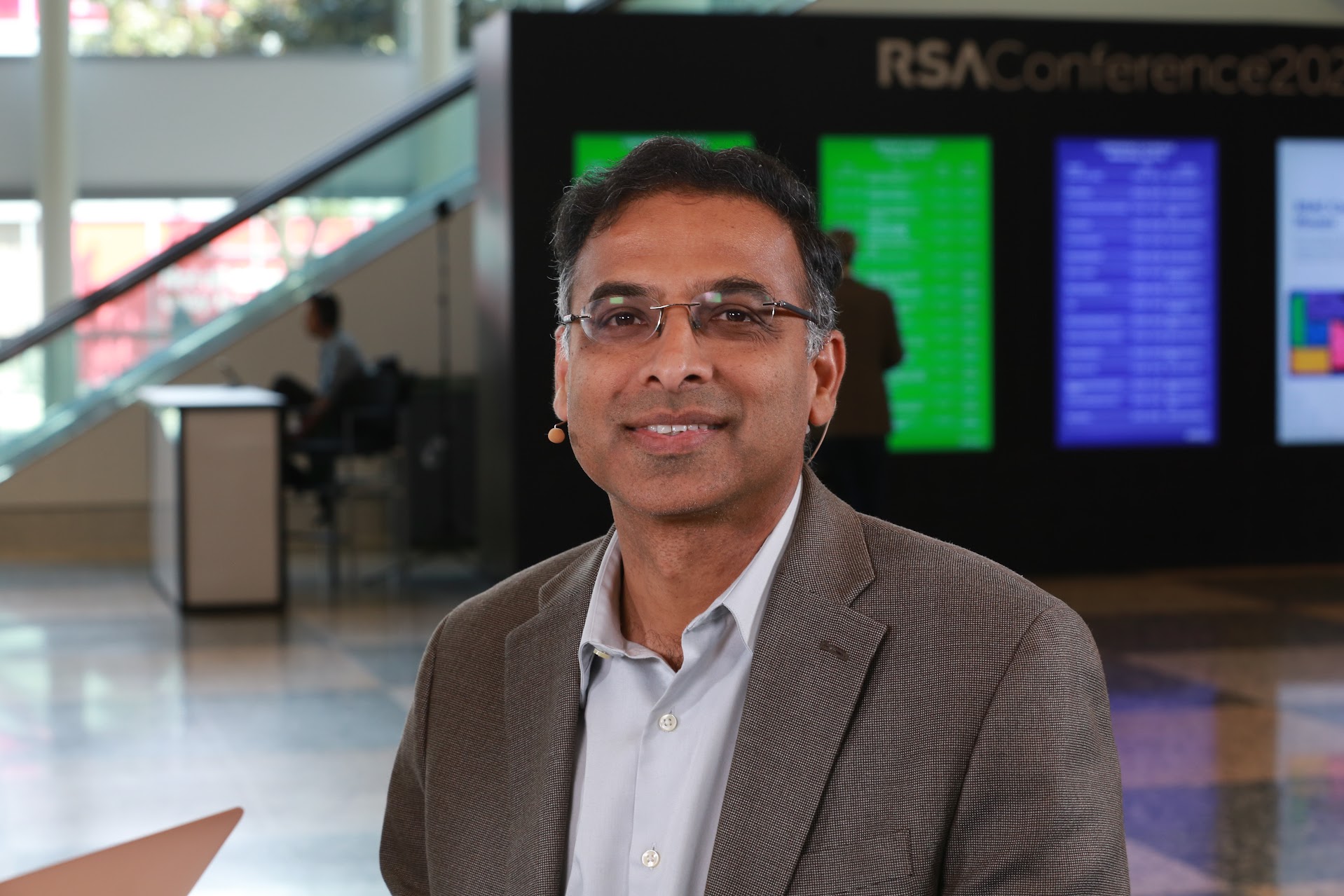
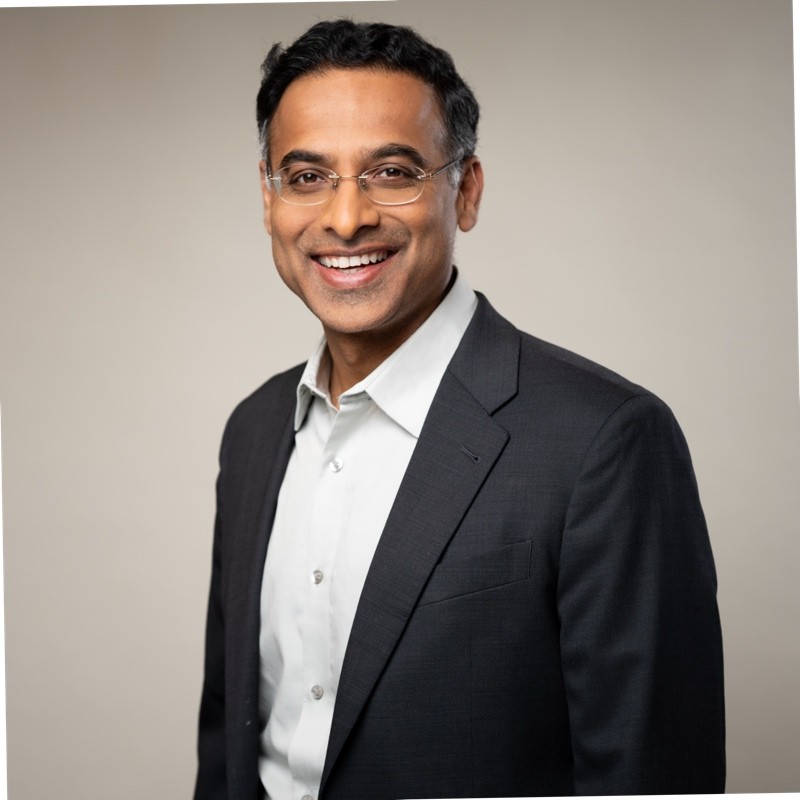
EVP and GM, AI and Network SecurityPalo Alto Networks
search
(gentle music) >> So, RSA Conference 2023, you know, 2020, this
was the last conference actually before COVID. And it's back, it's back in full swing. I'd say 50,000 plus people there. The exhibit hall is packed. I mean, it is wall to wall even when you're walking
between north and south. It's just aligned with smaller boots and a lot of the startups. It's just amazing. Anand Oswal is here, Senior Vice President for network security
at Palo Alto Networks. Anand, good to see you again. >> Good to see you again. We had a great year end last year. We finished with Palo Alto Ignite. It was a great event. We had you guys on, and you know, just before,
just right after AWS. So we just really strong
ending through the year, and now we're starting out
strong again this year. And security is even a hotter topic. You know, we've talked
about the whole OT and IT, and that's what we're going to get into. But what is the state of the state? I mean, we've got plants and reservoirs and dams and pipelines, it's just a different world out there. What's the state of the state? >> Yeah, if you think about
operational technology, OT networks, right? If you rewind the clock,
they were air-gapped long, long ago. There's no connectivity. It's within its own self. >> Dave: Just that's the way it was, right?
>> Right. >> And now it's getting
more and more connected. And we've seen this with the
Colonial Pipeline attack. Right? That happened,
few, like a while back, 2.5 million barrels of oil
that were flowing every day was stopped. Eventually, they paid a ransom. The White House issued a directive that any pipeline that has security breaches should notify CISA within 12 hours. That's really what's happening. Critical infrastructure is embedded in everything that we do. Think of manufacturing,
think of chemical plants, think of energy, utility, oil, and gas. Securing those assets
is extremely important, but you got to go about
it thoughtfully, right? I think we talked about
it in the past that when you think of connected
things or digitization, it's affected almost every single industry for the positive I would say, right? It's made things easier, lowering the operational
cost for all of the firms using them. But if you don't go about the right way, it leads to security breaches. Because you got to think about it day one and how you want to secure
your infrastructure. >> So, how is the way in which you secure the OT infrastructure? How is it different than the
traditional IT infrastructure? >> So, if you think about security, it can only secure something
when you know what it is. Right? So it starts with visibility. The most important aspect of OT is that you want to have true visibility in all your connected devices. And this cannot be done, Dave, through just the traditional
approach of a database, a signature, et cetera. There are more and more
devices coming online every single day. So you have to use the power
of AI and machine learning to identify these connected devices. And that's important. It should be automated
and it should scale. You want to understand the
device, the make, the model, etc. So that requires a lot of work. Now, you may say that's good. A lot of people in the industry say that we have an OT
solution with visibility. So let me give you an analogy. I tell you that you have
a leak in your house and I walk away. I don't tell you where the leak is. I don't tell you who's the plumber. >> You'll find out eventually. (laughs) >> You'll find out eventually. I don't tell you anything
about home warranty, home insurance information. And if the plumber does
come to your house, he can't access things he
wants to access securely. So, that's a state of
only having visibility. It's good, but it's not good enough. The next step we do is around what I call segmentation
or policy control. Who should be talking to whom? Should this device be
talking to this device? We need to talk to the device? What's your policy? You start with the whole principle of least privileged access. So you set those automatically. Third, as these devices talk outside, you want to watch
continuously for threats, for malware, for command
control connections, for software exploits on an ongoing basis. And the fourth step, which is
not really security really, I would say, but it's more
an operational simplicity. You know, when I talk
to customer, they say, "I don't want yet another
point product solution, give me a solution that
integrates in my infrastructure, reduces my operational cost. Tell me about the asset
utilization of my devices, how long it has this
machine being used," right? I'm getting asked to add more machines in my manufacturing floor. What's my utilization, right? How is the efficiency of this machine compared to the efficiency
of the other machine? How is this plant operating compared to my plant in Beijing or India or some other place? So you want to incorporate
all of those things into your solution. >> If I talk to, let's say
a, a server manufacturer, like a Dell or an HPE, or
a storage manufacturer, like a Pure Storage,
they'll talk about security. They'll talk about their supply chains, their Software Bill of Materials. They'll talk about Silicon Root of Trust. They're very in tune with security. And they, you know, they
take their responsibility very seriously. When I think about things
like, you know, devices, factory devices, machines, cameras, are those manufacturers as
astute, have they gotten better in terms of just being more
aware of the security issues? >> Yes and no. Look, we have over a billion
new devices coming online in the next couple of years, right? They're made from a plethora
of different manufacturers, and they have all a variety
of different cost points and capabilities, right? In many cases, you have the plant owner, or in case of a medical
factory, the biomed engineer responsible for the equipment. It's very hard for them to understand how do you patch this
equipment with software. I need to update for all
of these things, right? They want to do what they
are best at their job. We want to make sure that
it's simplified for them to understand the capability
of all these devices, automate all things that they want from a compliance perspective. All of these industries
have heavy compliance. So how do you make sure that
you can get audit ready? What is all get connected devices? Which of them have
unpatched vulnerabilities? What do you need to do to
patch these vulnerabilities? Who's talking to which device? Are you monitoring all the transactions? Are you doing this on a continuous basis? We want to do this the entire life cycle. >> Who does that in the OT world? Is it the SecOps team? Are they now sort of
bleeding into the OT world? Is there an analog to the IT SecOps team? >> Look, they have
security engineers, right? But if you look at IT and OT networks, they're still run separately
with common DMZ networks. But more and more you
see organizations bring IT and OT networks together. Now as these networks have connected, you can imagine the threat
landscape will increase. I'll take another example. You've seen many of these OT networks during the pandemic. Started opening up connectivity using 5G because you can't have
somebody physically always go for servicing, updating things. Now, as you open up
connectivity to your equipment, how do you ensure it secure? How do you ensure that
you don't move laterally and spread these threats and malware? So think about this very, very
holistically and end-to-end. >> It reminds me of, and I'm
just listening to you talking, reminds me of the FBI and
the CIA before 9/11, right? I mean, they had different,
you know, agendas, right? And they were different DNA, and it just, that can't be an
easy thing to bring together. So, are firms like Palo
Alto Networks sort of a glue to bring them together? And what specifically can you do to help? >> So if you see, many of the
customers in these industries of critical infrastructure,
manufacturing, utilities, oil and gas, use Palo
Alto on their IT side and also on the DMZ side, right? They also use our firewalls
in the OT network. Now we're helping bridge that
gap between IT-OT networks as they're connecting
more and more devices on the OT networks to the outside world, we're ensuring that they're
connected with the principles of zero trust lease privilege access and secure connectivity
on a continuous basis. >> It's the same principles,
but is it different solutions, different products, purpose built for OT? >> Yeah, it's a purpose-built
product for OT networks because you want to provide, like I said, the four things, visibility. Then you want to do segmentation and automate your policy control. You want to monitor all the transactions and ensure that you are completely secure. And then provide all of
the operational simplicity and the visibility that they need from an asset utilization perspective. >> What's the number one question, or maybe one and two that
you get from the OT pros? >> How do I understand all the devices that I have on my network with all the details I want, type of device, model, make, manufacturer, how do I ensure which of these devices are in unpatched vulnerabilities? I want that whole inventory map. That is their first problem. Because like I said, you can only secure something
once you know what it is. >> Okay, so that's a problem. So is that metadata all available? How do you find that data? >> We do all that through a combination of our machine learning. So if you put our sensor,
which are our firewalls, within 24 to 48 hours, I
will be able to identify more than 95% of all devices. This is work that we've
done for last many years in terms of how do we
understand the protocols, the makes, the model, et cetera. Now there's a small percentage that we understand these devices but don't know exactly what they are. And that's something that
we work with the owners, plant owners, manufacturers, et cetera, to understand and over time
we keep getting better. >> As these devices in the
factory or the plant, et cetera, as they become more programmable, you've essentially now got an
analog to developers, right? Infrastructure as a code, infrastructure in the plant as code. In IT, the developer
has a critical role in, you know, the whole shift left thing. >> Anand: Yes. >> Even though, you know, it
may not be their wheelhouse, they're being forced essentially and asked to help secure the network. Is the same thing
happening in the OT world? >> In the OT world, it's
around ensuring that when these devices get connected or when we are connecting to these devices from the outside world, we are doing it securely, as these devices talk to each other or these devices talk to other interfaces as we bring IT-OT networks
together, they're done securely. That is the number one thing that the OT owners are worrying about. >> Is there, you think about ransomware, you think about, you know,
people talk about air gaps. I guess, like you say, it used to be that the whole OT infrastructure
was air-gapped. Right, so that goes away. What are some of the best
practices that you see with some of your, you
know, top customers? >> If you see our top customers, the best practices that
they do is really, say, how do you get a zero trust approach to operational technology? Right? And zero trust is a very abused word. Dave, you and I talked
about this in the past. >> Yeah, you have the mindset.
>> Right. >> you're bringing that mindset
>> Exactly. >> into OT, but yes, it is abused word. >> It is, but it's all
around, how do you ensure that you give the least privilege access? So, is the user or the machine authorized and authenticated. Is that device having malware itself? What is that I'm trying to access? What application, what
data, what other equipment, what server? Do you have the right
permission sets for that? What is my transaction? Which means that as I'm having data flow, I want to watch for threats, the ransomware, the malware, et cetera, and do that on a continuous basis. That's the principles of zero trust that our customers are employing. >> I was reading the Unit 42
Threat Intelligence Report that came out last week
or the week before, you know, prior to RSA. It was just astounding to me, you know, the one graph that really caught me was that 80% of the alerts
come from 5% of the rules, and it has for a long, long time. And then the other one
was that the propensity of secrets to be hardcoded. You know, it's the code base. And so, and that's in IT where there's, you know, very
high awareness of security. OT, I would think there's
security, you know, maturity, on the maturity model. They're less mature than
their IT brethren, right? >> And also on the OT side,
and just like the IT side, majority of the breaches happen because you have misconfigurations or you haven't configured your
security equipment properly, your security service properly. That's majority of the
breaches that happen even in the OT world because
OT networks are by nature flat, which means that you really want to ensure that you get full visibility
and then really control, have granular control on policy. We start with, when you
talk about zero trust, we say that no one can talk to nobody. And then you allow each
connection to go through versus the reverse motion
of everybody can talk and I'm going to block
whatever I am going to block. It's a mindset change. >> So, a flat network means, in theory, it's easier to
traverse horizontally, right? >> Yes, and so you want
to really put all those granular policy controls
thoughtfully and automate them because you can't do it manually again. You do manually at one scale
and you'll make errors. >> What's the right regime? We talked earlier about
the OT and the IT worlds coming together. Who's involved in that? It's the engineers, the plant
manager, the CIO, the CISO. But, again, who's really
going to take responsibility? Are organizations thinking
about it as a holistic system or is it sort of a still stove pipe? >> So I would say it's a journey. We talk to different customers, and they're in a different
phase of that journey. First step they're doing
is how do you bring IT and OT networks together? And they're only connected to a DMZ but you want to ensure
that you can now connect to these OT assets from the outside. So how do you make sure that you have zero trust network
access to these devices? As these things come more
together, I think it comes down to how organizations will also
change their structures. How you have single entities
managing their IT and OT networks versus what's done today. But that's a journey as you know. >> How big is this market? I mean it's got to be enormous
and a huge opportunity. And it's very immature in
terms of the security adoption, right?
>> Absolutely. If you read reports of
just say manufacturing, OT, security, completely end-to-end, it's a multi-billion dollar market. And then you think of energy
and utility and oil and gas and food industry and
beverage and chemical plants. And this is a massive opportunity. It's also important because
critical infrastructure, the reports I read which said that threats to critical infrastructure could lead to possible deaths. And I was first alarmed
when I read the report, and it talked about an
example of a chemical plant. If an attacker gets access
to the chemical plant and changes the composition of how much you're mixing the chemicals, it can lead to catastrophic effects. And that's why thinking
about this holistically from day zero, day one, is very important as we build these networks. >> Very interesting conversation, Anand. Thanks so much for coming back in theCUBE. It's good to see you again. >> Good to see you Dave. >> All right, and keep it right there. This is Dave Vellante for John Furrier, the entire theCUBE team, from RSA 2023. We're live at Moscone West. Right back. (gentle music)
(gentle music) >> So, RSA Conference 2023, you know, 2020, this
was the last conference actually before COVID. And it's back, it's back in full swing. I'd say 50,000 plus people there. The exhibit hall is packed. I mean, it is wall to wall even when you're walking
between north and south. It's just aligned with smaller boots and a lot of the startups. It's just amazing. Anand Oswal is here, Senior Vice President for network security
at Palo Alto Networks. Anand, good to see you again. >> Good to see you again. We had a great year end last year. We finished with Palo Alto Ignite. It was a great event. We had you guys on, and you know, just before,
just right after AWS. So we just really strong
ending through the year, and now we're starting out
strong again this year. And security is even a hotter topic. You know, we've talked
about the whole OT and IT, and that's what we're going to get into. But what is the state of the state? I mean, we've got plants and reservoirs and dams and pipelines, it's just a different world out there. What's the state of the state? >> Yeah, if you think about
operational technology, OT networks, right? If you rewind the clock,
they were air-gapped long, long ago. There's no connectivity. It's within its own self. >> Dave: Just that's the way it was, right?
>> Right. >> And now it's getting
more and more connected. And we've seen this with the
Colonial Pipeline attack. Right? That happened,
few, like a while back, 2.5 million barrels of oil
that were flowing every day was stopped. Eventually, they paid a ransom. The White House issued a directive that any pipeline that has security breaches should notify CISA within 12 hours. That's really what's happening. Critical infrastructure is embedded in everything that we do. Think of manufacturing,
think of chemical plants, think of energy, utility, oil, and gas. Securing those assets
is extremely important, but you got to go about
it thoughtfully, right? I think we talked about
it in the past that when you think of connected
things or digitization, it's affected almost every single industry for the positive I would say, right? It's made things easier, lowering the operational
cost for all of the firms using them. But if you don't go about the right way, it leads to security breaches. Because you got to think about it day one and how you want to secure
your infrastructure. >> So, how is the way in which you secure the OT infrastructure? How is it different than the
traditional IT infrastructure? >> So, if you think about security, it can only secure something
when you know what it is. Right? So it starts with visibility. The most important aspect of OT is that you want to have true visibility in all your connected devices. And this cannot be done, Dave, through just the traditional
approach of a database, a signature, et cetera. There are more and more
devices coming online every single day. So you have to use the power
of AI and machine learning to identify these connected devices. And that's important. It should be automated
and it should scale. You want to understand the
device, the make, the model, etc. So that requires a lot of work. Now, you may say that's good. A lot of people in the industry say that we have an OT
solution with visibility. So let me give you an analogy. I tell you that you have
a leak in your house and I walk away. I don't tell you where the leak is. I don't tell you who's the plumber. >> You'll find out eventually. (laughs) >> You'll find out eventually. I don't tell you anything
about home warranty, home insurance information. And if the plumber does
come to your house, he can't access things he
wants to access securely. So, that's a state of
only having visibility. It's good, but it's not good enough. The next step we do is around what I call segmentation
or policy control. Who should be talking to whom? Should this device be
talking to this device? We need to talk to the device? What's your policy? You start with the whole principle of least privileged access. So you set those automatically. Third, as these devices talk outside, you want to watch
continuously for threats, for malware, for command
control connections, for software exploits on an ongoing basis. And the fourth step, which is
not really security really, I would say, but it's more
an operational simplicity. You know, when I talk
to customer, they say, "I don't want yet another
point product solution, give me a solution that
integrates in my infrastructure, reduces my operational cost. Tell me about the asset
utilization of my devices, how long it has this
machine being used," right? I'm getting asked to add more machines in my manufacturing floor. What's my utilization, right? How is the efficiency of this machine compared to the efficiency
of the other machine? How is this plant operating compared to my plant in Beijing or India or some other place? So you want to incorporate
all of those things into your solution. >> If I talk to, let's say
a, a server manufacturer, like a Dell or an HPE, or
a storage manufacturer, like a Pure Storage,
they'll talk about security. They'll talk about their supply chains, their Software Bill of Materials. They'll talk about Silicon Root of Trust. They're very in tune with security. And they, you know, they
take their responsibility very seriously. When I think about things
like, you know, devices, factory devices, machines, cameras, are those manufacturers as
astute, have they gotten better in terms of just being more
aware of the security issues? >> Yes and no. Look, we have over a billion
new devices coming online in the next couple of years, right? They're made from a plethora
of different manufacturers, and they have all a variety
of different cost points and capabilities, right? In many cases, you have the plant owner, or in case of a medical
factory, the biomed engineer responsible for the equipment. It's very hard for them to understand how do you patch this
equipment with software. I need to update for all
of these things, right? They want to do what they
are best at their job. We want to make sure that
it's simplified for them to understand the capability
of all these devices, automate all things that they want from a compliance perspective. All of these industries
have heavy compliance. So how do you make sure that
you can get audit ready? What is all get connected devices? Which of them have
unpatched vulnerabilities? What do you need to do to
patch these vulnerabilities? Who's talking to which device? Are you monitoring all the transactions? Are you doing this on a continuous basis? We want to do this the entire life cycle. >> Who does that in the OT world? Is it the SecOps team? Are they now sort of
bleeding into the OT world? Is there an analog to the IT SecOps team? >> Look, they have
security engineers, right? But if you look at IT and OT networks, they're still run separately
with common DMZ networks. But more and more you
see organizations bring IT and OT networks together. Now as these networks have connected, you can imagine the threat
landscape will increase. I'll take another example. You've seen many of these OT networks during the pandemic. Started opening up connectivity using 5G because you can't have
somebody physically always go for servicing, updating things. Now, as you open up
connectivity to your equipment, how do you ensure it secure? How do you ensure that
you don't move laterally and spread these threats and malware? So think about this very, very
holistically and end-to-end. >> It reminds me of, and I'm
just listening to you talking, reminds me of the FBI and
the CIA before 9/11, right? I mean, they had different,
you know, agendas, right? And they were different DNA, and it just, that can't be an
easy thing to bring together. So, are firms like Palo
Alto Networks sort of a glue to bring them together? And what specifically can you do to help? >> So if you see, many of the
customers in these industries of critical infrastructure,
manufacturing, utilities, oil and gas, use Palo
Alto on their IT side and also on the DMZ side, right? They also use our firewalls
in the OT network. Now we're helping bridge that
gap between IT-OT networks as they're connecting
more and more devices on the OT networks to the outside world, we're ensuring that they're
connected with the principles of zero trust lease privilege access and secure connectivity
on a continuous basis. >> It's the same principles,
but is it different solutions, different products, purpose built for OT? >> Yeah, it's a purpose-built
product for OT networks because you want to provide, like I said, the four things, visibility. Then you want to do segmentation and automate your policy control. You want to monitor all the transactions and ensure that you are completely secure. And then provide all of
the operational simplicity and the visibility that they need from an asset utilization perspective. >> What's the number one question, or maybe one and two that
you get from the OT pros? >> How do I understand all the devices that I have on my network with all the details I want, type of device, model, make, manufacturer, how do I ensure which of these devices are in unpatched vulnerabilities? I want that whole inventory map. That is their first problem. Because like I said, you can only secure something
once you know what it is. >> Okay, so that's a problem. So is that metadata all available? How do you find that data? >> We do all that through a combination of our machine learning. So if you put our sensor,
which are our firewalls, within 24 to 48 hours, I
will be able to identify more than 95% of all devices. This is work that we've
done for last many years in terms of how do we
understand the protocols, the makes, the model, et cetera. Now there's a small percentage that we understand these devices but don't know exactly what they are. And that's something that
we work with the owners, plant owners, manufacturers, et cetera, to understand and over time
we keep getting better. >> As these devices in the
factory or the plant, et cetera, as they become more programmable, you've essentially now got an
analog to developers, right? Infrastructure as a code, infrastructure in the plant as code. In IT, the developer
has a critical role in, you know, the whole shift left thing. >> Anand: Yes. >> Even though, you know, it
may not be their wheelhouse, they're being forced essentially and asked to help secure the network. Is the same thing
happening in the OT world? >> In the OT world, it's
around ensuring that when these devices get connected or when we are connecting to these devices from the outside world, we are doing it securely, as these devices talk to each other or these devices talk to other interfaces as we bring IT-OT networks
together, they're done securely. That is the number one thing that the OT owners are worrying about. >> Is there, you think about ransomware, you think about, you know,
people talk about air gaps. I guess, like you say, it used to be that the whole OT infrastructure
was air-gapped. Right, so that goes away. What are some of the best
practices that you see with some of your, you
know, top customers? >> If you see our top customers, the best practices that
they do is really, say, how do you get a zero trust approach to operational technology? Right? And zero trust is a very abused word. Dave, you and I talked
about this in the past. >> Yeah, you have the mindset.
>> Right. >> you're bringing that mindset
>> Exactly. >> into OT, but yes, it is abused word. >> It is, but it's all
around, how do you ensure that you give the least privilege access? So, is the user or the machine authorized and authenticated. Is that device having malware itself? What is that I'm trying to access? What application, what
data, what other equipment, what server? Do you have the right
permission sets for that? What is my transaction? Which means that as I'm having data flow, I want to watch for threats, the ransomware, the malware, et cetera, and do that on a continuous basis. That's the principles of zero trust that our customers are employing. >> I was reading the Unit 42
Threat Intelligence Report that came out last week
or the week before, you know, prior to RSA. It was just astounding to me, you know, the one graph that really caught me was that 80% of the alerts
come from 5% of the rules, and it has for a long, long time. And then the other one
was that the propensity of secrets to be hardcoded. You know, it's the code base. And so, and that's in IT where there's, you know, very
high awareness of security. OT, I would think there's
security, you know, maturity, on the maturity model. They're less mature than
their IT brethren, right? >> And also on the OT side,
and just like the IT side, majority of the breaches happen because you have misconfigurations or you haven't configured your
security equipment properly, your security service properly. That's majority of the
breaches that happen even in the OT world because
OT networks are by nature flat, which means that you really want to ensure that you get full visibility
and then really control, have granular control on policy. We start with, when you
talk about zero trust, we say that no one can talk to nobody. And then you allow each
connection to go through versus the reverse motion
of everybody can talk and I'm going to block
whatever I am going to block. It's a mindset change. >> So, a flat network means, in theory, it's easier to
traverse horizontally, right? >> Yes, and so you want
to really put all those granular policy controls
thoughtfully and automate them because you can't do it manually again. You do manually at one scale
and you'll make errors. >> What's the right regime? We talked earlier about
the OT and the IT worlds coming together. Who's involved in that? It's the engineers, the plant
manager, the CIO, the CISO. But, again, who's really
going to take responsibility? Are organizations thinking
about it as a holistic system or is it sort of a still stove pipe? >> So I would say it's a journey. We talk to different customers, and they're in a different
phase of that journey. First step they're doing
is how do you bring IT and OT networks together? And they're only connected to a DMZ but you want to ensure
that you can now connect to these OT assets from the outside. So how do you make sure that you have zero trust network
access to these devices? As these things come more
together, I think it comes down to how organizations will also
change their structures. How you have single entities
managing their IT and OT networks versus what's done today. But that's a journey as you know. >> How big is this market? I mean it's got to be enormous
and a huge opportunity. And it's very immature in
terms of the security adoption, right?
>> Absolutely. If you read reports of
just say manufacturing, OT, security, completely end-to-end, it's a multi-billion dollar market. And then you think of energy
and utility and oil and gas and food industry and
beverage and chemical plants. And this is a massive opportunity. It's also important because
critical infrastructure, the reports I read which said that threats to critical infrastructure could lead to possible deaths. And I was first alarmed
when I read the report, and it talked about an
example of a chemical plant. If an attacker gets access
to the chemical plant and changes the composition of how much you're mixing the chemicals, it can lead to catastrophic effects. And that's why thinking
about this holistically from day zero, day one, is very important as we build these networks. >> Very interesting conversation, Anand. Thanks so much for coming back in theCUBE. It's good to see you again. >> Good to see you Dave. >> All right, and keep it right there. This is Dave Vellante for John Furrier, the entire theCUBE team, from RSA 2023. We're live at Moscone West. Right back. (gentle music)