We just sent you a verification email. Please verify your account to gain access to
RSA Conference 2023. If you don’t think you received an email check your
spam folder.
In order to sign in, enter the email address you used to registered for the event. Once completed, you will receive an email with a verification link. Open this link to automatically sign into the site.
Register For RSA Conference 2023
Please fill out the information below. You will recieve an email with a verification link confirming your registration. Click the link to automatically sign into the site.
You’re almost there!
We just sent you a verification email. Please click the verification button in the email. Once your email address is verified, you will have full access to all event content for RSA Conference 2023.
I want my badge and interests to be visible to all attendees.
Checking this box will display your presense on the attendees list, view your profile and allow other attendees to contact you via 1-1 chat. Read the Privacy Policy. At any time, you can choose to disable this preference.
Select your Interests!
add
Upload your photo
Uploading..
OR
Connect via Twitter
Connect via Linkedin
EDIT PASSWORD
Share
Forgot Password
Almost there!
We just sent you a verification email. Please verify your account to gain access to
RSA Conference 2023. If you don’t think you received an email check your
spam folder.
In order to sign in, enter the email address you used to registered for the event. Once completed, you will receive an email with a verification link. Open this link to automatically sign into the site.
Sign in to gain access to RSA Conference 2023
Please sign in with LinkedIn to continue to RSA Conference 2023. Signing in with LinkedIn ensures a professional environment.
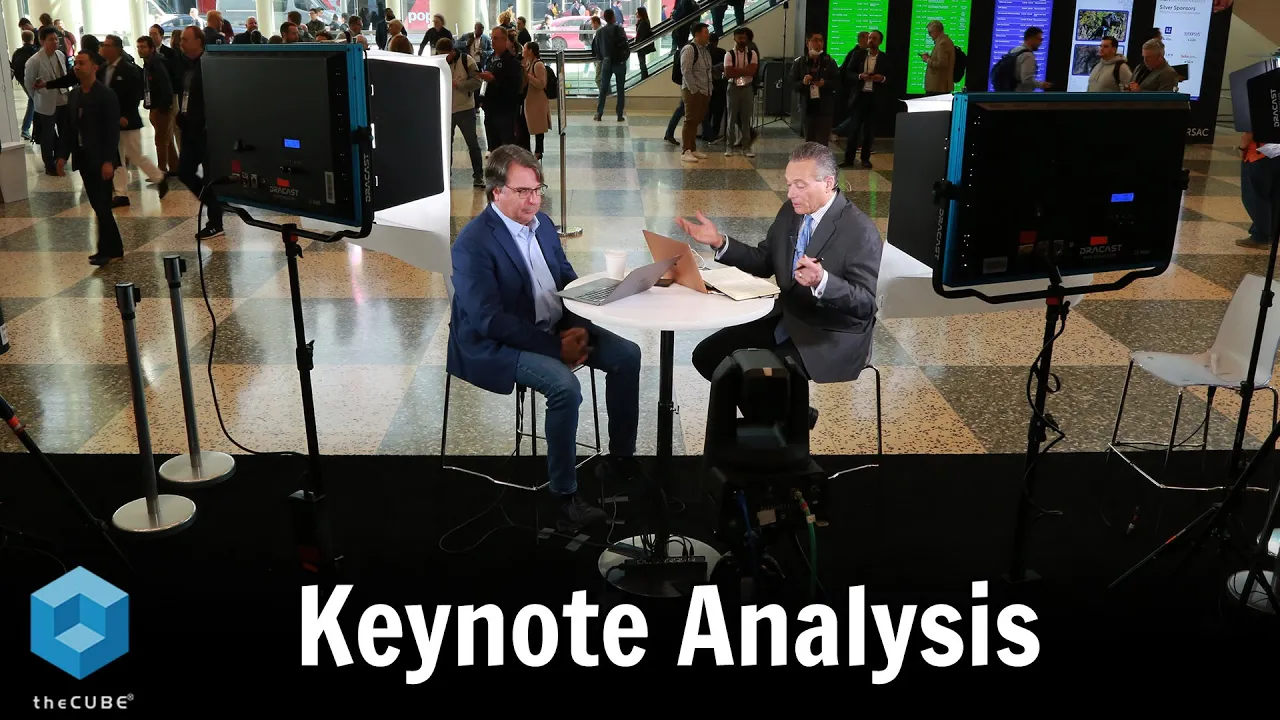
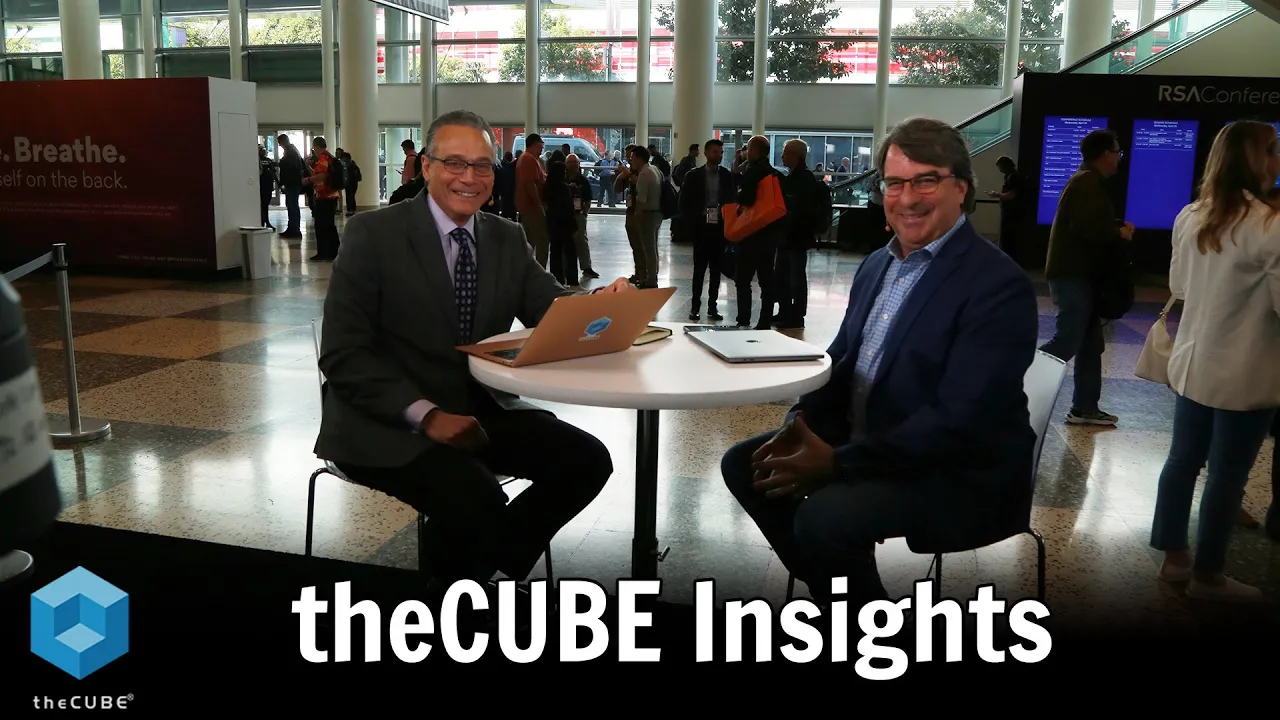
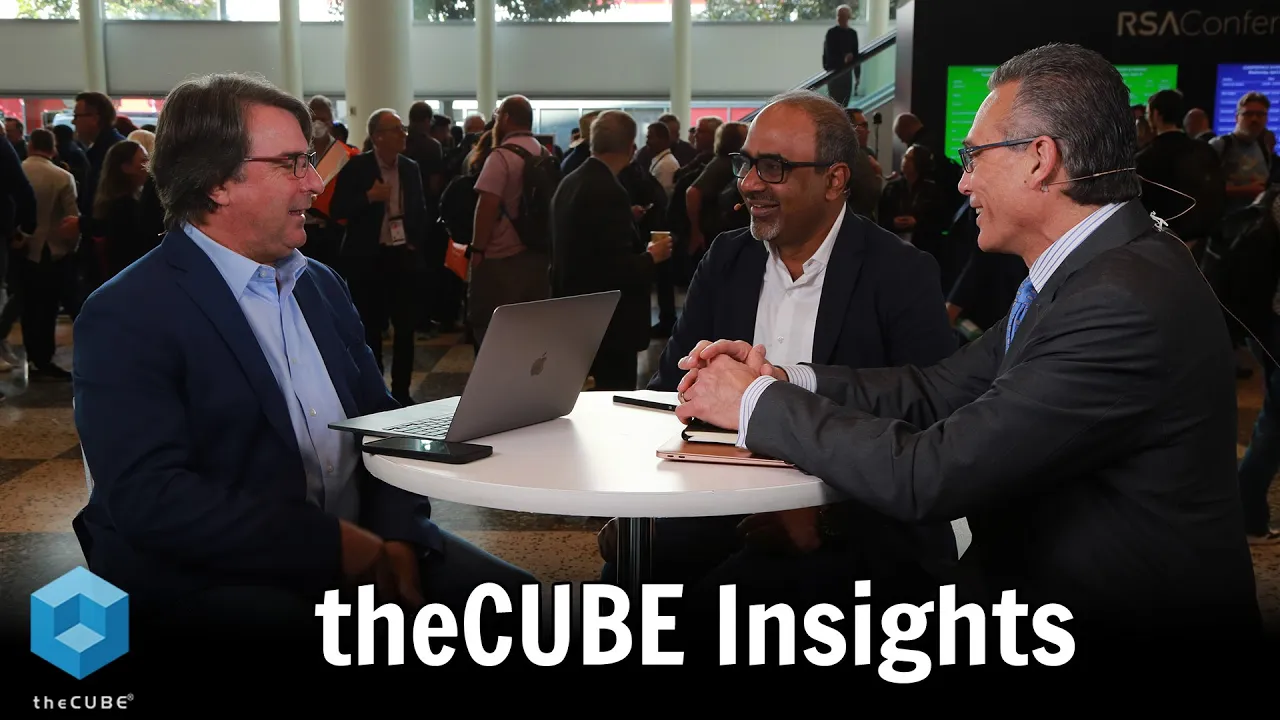
(bright music) >> Hi everybody. Welcome back to RSA Conference 2023. This is theCUBE's continuous
coverage day three. It's Wednesday, hump day here at the show. Last night, it was just packed. So many parties, you know,
we're bouncing around. John Furrier is on his way up
because he's stuck in traffic 'cause he's coming up from Palo Alto. But he's got all kinds of information that he's been digging. He and I were out last night. Got some good, good action going. But yeah, so people are
saying there's probably 40 to 50,000 people here. I haven't heard the official numbers. My guess was 50,000. It's actually amazingly packed. We had the keynotes this morning. One of our guest, John
Chambers, who's coming on later was speaking at the keynote
in a little fireside chat. He was talking about the lack
of urgency in the industry. So we're going to ask him about that. And there's been a big week in earnings. Microsoft announced they beat
their earnings last night. Google has announced. I wanted to take a minute to unpack some of the cloud action. As you know, we follow
that very closely here. And the other news is
the UK is, UK regulators are blocking the Microsoft
acquisition of Activision. I dunno if you guys
heard that, but you know, we thought that was going to go through. We thought it was going to be
have some conditions that the UK was going to put on it, but it looks like they're
going to try to kill it. And so that's a big blow to Microsoft. I mean, they were basically
going to transform their entire gaming business to be online and basically a cloud-based business. And that looks like
it's really in jeopardy It's another example of
governments around the world basically, you know,
trying to halt, you know, the acquisition posture of big tech on the potential that it
could limit competition. It's really seeing a shift in
sort of the pendulum swinging, sort of away from sort of
the business friendly posture that we've seen historically. We certainly know Lina
Khan in the United States, the chair of the FTC is
definitely on a mission to scrutinize more closely,
that's an understatement, big tech generally, and big
tech acquisitions specifically. We certainly saw the US
government was very unsupportive of the arm acquisition by Nvidia. Sort of didn't really,
didn't support that. In fact, I think it's sued Nvidia and so we're seeing just
a change in posture there. So Activision is the latest. But back to Microsoft's earnings. They beat earnings. The stock is up today quite nicely. It's up, you know, high single digits. And Azure came in at about,
we had it at about 30% growth. They came in at about 31%
growth in constant currency. So we were right on our number. GCP, Google announced Alphabet announced. You know, it's interesting,
we follow Google very closely. We listen really carefully
to the announcements that they make, their language,
their earnings posture. As you know, only AWS really
reports what we would call clean IS, infrastructure
as a service revenue. So you take AWS and it's harder to make an apples to apples comparison
across the big three clouds. AWS, GCP, Google Cloud
Platform, and Microsoft Azure. Because Google and Microsoft
bundle in their other software, their application software. So for instance, office 365 is
in Microsoft's Cloud number. Google's sort of workspaces
is in Google's Cloud number. However, each company gives
clues as to the growth rate and the relative performance. So for example, Microsoft
actually reported that its Azure business grew
31% in constant currency. The problem is they never tell you and they have never have
historically what that number is, what the absolute number is. So we've had to triangulate
going back, you know, I dunno four or five years. So I'll talk about where
we have that number. GCP's a little different. So GCP will tell you that
their cloud business was $7.5 billion this quarter. Now normally what they
do, and they did as well is they will give a relative
performance of GCP, sorry Google Cloud, they'll give you a number. The $7.5 billion, I
might've misspoken there but Google Cloud was 7.5
billion in the quarter. Now normally what Google has
said historically, going back you know, a few years now
that Google Cloud, GCP the language used to be
on the earnings call, significantly the growth of
GCP significantly outpaced that of the overall Google Cloud. That language changed about a year ago, maybe five quarters ago, four or five, I can't remember exactly where Google then moderated that and then
said GCP grew faster than the overall cloud business. So we inferred from that that, okay, the gap between Google Cloud
growth and GCP was closing. The GCP was higher, but it was closing. This quarter they basically
said GCP remains strong across the board in all
regions, in all industries. My estimate is that Google
Cloud actually grew more slowly than Google's overall cloud business. So you've got Google Cloud
growing by their numbers at 28%. I'm guessing that's constant
currency but I'm not positive. Actually, it may not be. I had 28% for GCP. I think that number's lower. I think it's more like 21% to 22%. But Alphabet grew 3% overall. It had a $70 billion top line
and it had an operating profit in its cloud division the first time ever. I mean, remember it was losing billions in its cloud division. So that's a real positive to focus on. And then AWS announces later on this week, word is there's some rumors that even AWS is going to have layoffs. So that's a big deal because
AWS is the profit driver. Everybody expected that the
AWS side of the business would not be impacted
by headcount reductions. I've got AWS growing at 15%
this quarter year on year. Others I think have them somewhat lower. And we've heard conversations
that Q2 forecast are down as low as 10%. Now, people may think and
do think that that's a sign that Amazon is losing share. And they are. No question that Azure grew faster and gained share this quarter. I mean at 30% it's you know, clearly appears to be
anyway growing its share. We'll see when Amazon announce, but I don't think Amazon's
going to be growing at 30%. No way. Google's a bit of a concern
'cause they're much smaller. So here's the numbers. My estimates are that a
Amazon AWS when they announce will come in just above $20
billion for the quarter, let's call it $21 billion. That's about 15% growth year on year. I've got Azure at $17 billion or about 30% growth in constant currency. GCP growing 20% to 21% at $3.5 billion. So you can see the delta,
I mean we're talking about you know, 6x, 1/6 Amazon's business. But notice at $21 billion
and $17 billion that delta this is just an attempt
to be apples to apples with infrastructure as a service. You can see that there's a compression between Azure and AWS. So we'll see what's happening there. And again, the companies
don't report apples to apples, but through, you know, various research and analysis and surveys
and other discussions we try to triangulate that
and take our best shot. We're one of the few
companies that actually does try to do an apples
to apples comparison. Meta of course is next. Later on this week we'll
be hearing from them. I also want to talk about
just a general climate. We talked about this
yesterday a little bit with John, John Furrier. We got a weird situation going on, right? And there's more talk
now of a soft landing. Soft landing, meaning that the
fed's actions to raise rates and stall the economic
growth really is an effort to fight inflation. The concern is that'll
cause a hard landing which would be a big recession. There's more talk now about a soft landing because you've really got a mixed case. You've got most earnings now
coming in above expectations. So we're not seeing a lot of I think I saw the number, 80% of earnings thus far this quarter are above forecasts. Have hit or beat their consensus forecast. So that's a good sign. Now nobody's really, there's not a broad increase in outlook. People aren't beating and raising. They're beating. So there's still a lot of conservatism but I think that conservatism
coming into this quarter it was a good thing. But you're seeing, obviously
banks are down, you know, First Republic continues to be under fire even though the big banks are just fine. GM is up. I mean GM had a great quarter and raised. They're one of the
companies who did raise. Consumer staples are benefiting
from higher inflation. So things like toothpaste and diapers and you know,
detergent and Coca-Cola and McDonald's are more expensive. Housing obviously is softer
after the big run up. Google from its results,
we saw advertising down. We'll see what happens with Facebook. You know and tech and
cloud generally is down. But since the beginning of the
year, actually since October people that bought the dip
actually have done pretty well. But it's still a lot of
uncertainty out there and a lot of as I say,
conservatism in the numbers. The other thing is, and
we've reported on this that the series C
funding or growth funding really has dried up and
there's a lot of funding that's from VCs that's
shifting now into early stage. I think VCs are all excited. Everybody's excited about
GPT and foundation models. VCs are particularly excited because it means they
can start more companies for less money. So if you're a venture
capitalist and you've got let's say you got a bunch of money, let's say you got, you know, 5, 10, 15, maybe even a hundred million
in to a series C company a hundred million might change
your posture a little bit. But let's say you've got a bunch of money into a series C company and that company's got to do a down round,
is going to go wash out their existing shareholders to a certain extent, the employees. So they're going to be demotivated. You got to bring in some
other outside investors. You got to really rethink about, okay, how are we going to retool this company if they're not cash flow positive or at least fundamentally profitable. Inherently profitable. So what would you do? Would you put more money into
that entity or would you say hey, let's start identifying companies that we can start that
can really drive AI. 'Cause that's the next big wave. And of course we know VCs, you know, they would much rather have,
you know, a 10% hit rate on a 100x or even a
1000x return, you know, than a 90% hit rate on a
1.2x return, of course. So unlike Tiger Management,
which is a huge hedge fund, which you know, recapped
its whole portfolio which puts in big, big money
looking for a you know, let's call it a 1.5x return because the numbers are
so big, the net is so big. VCs obviously play a different game. And so there's a lot of conversations about the shift in investing mentality. So that's something that,
you know, we're watching. Now here at RSA, you know, there's a lot of conversation certainly from the vendor
community about optimism. You know, we're hearing it all over that we're optimistic. You know, looking forward, the
possibility for generative AI to do good things is great. You know, I guess I'm an optimist but I'm a realist as well
because the other piece of the narrative that you
hear is we got to spend more but we spend more every year but it doesn't seem to make us safer even though our security is better we just don't seem to be safer. So that's something that we've
been poking at a little bit because most security
chest wounds, if you will, open chest wounds are self-inflicted. So it's unclear why spending more is going to be you know, an answer. And you know, look
despite heavy investments in cybersecurity, you know, people are still falling
victim to cyber attack. So, you know, it begs the question are tech vendors over promising? You know, that's been a
hallmark of technology companies for years is, you know, they
promised the moon and you know, they deliver, you know,
they promised the stars and they deliver the
moon maybe I should say. There's also a lot of talk about foundation models, of course. I mean, everybody's talking about AI. We've not found clear evidence from talking to the big
threat intelligent companies. You know, think Mandiant,
think Palo Alto's Unit 42. We got a lot of CrowdStrike
folks coming on today and we'll ask them. We've not seen or heard from them that there's clear evidence that the attackers are using
foundation models like GPT to actually invoke attacks. Now that doesn't mean
they're not doing it. As John Furrier pointed
out yesterday, Dave, I guarantee that they're doing this but they haven't seen
clear indications yet in terms of signatures that
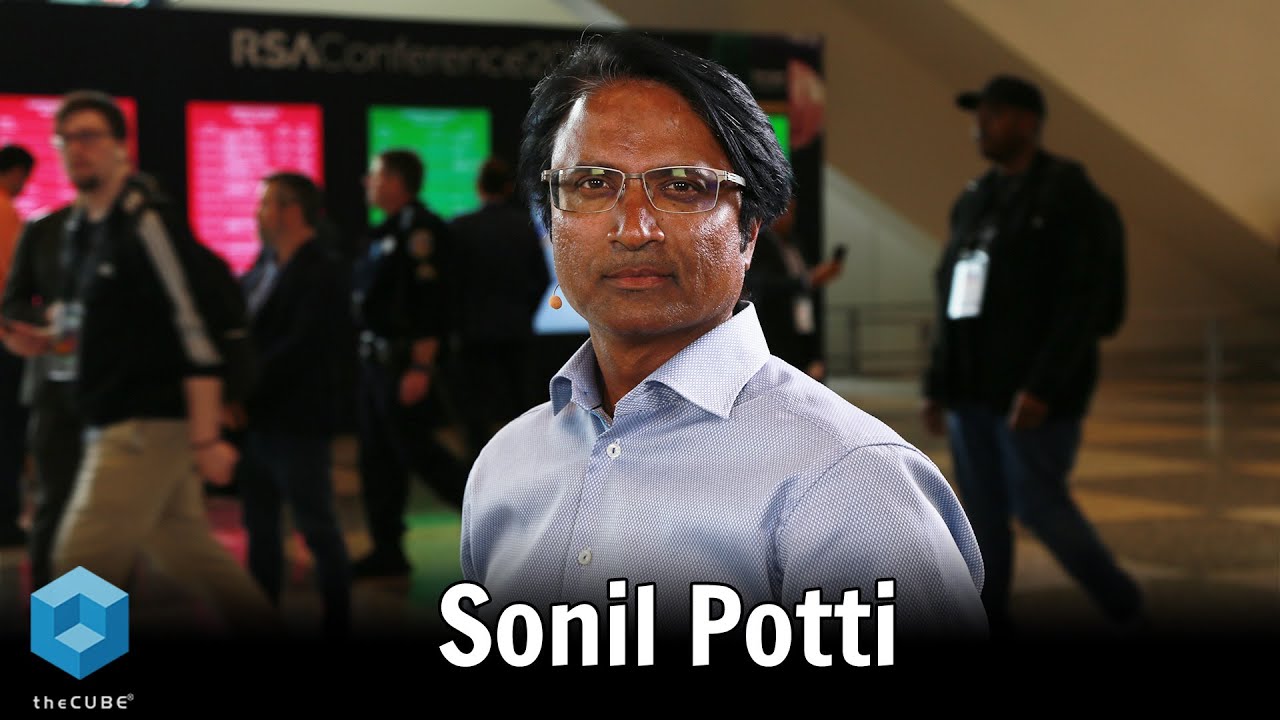
they can definitely say are you know, GPT driven. And I think part of the attacker approach is going to be to hide those signatures. Use AI to hide those signatures. So that's a big, you know, discussion. Well, there's also of course a discussion on the upshot of generative AI. You know, we talked to Google about this. Sunil Potti said look,
we're going to focus on the low risk, high return areas. And what are those? So one of the things that
was really interesting in the Palo Alto Unit 42
threat intelligence report is that 80% of the alerts
come from 5% of the rules. Okay so, and this has
been the case for years. So what does that mean? That means that SecOps
pros are getting inundated with the same types of alerts and they're struggling to prioritize. So perhaps generative AI
and AI you know generally can be used to help prioritize and maybe even take action
on some of those alerts and maybe even sift out the ones that aren't critical. So, you know, the other
sort of point of discussion which is kind of
interesting is cybersecurity you know, often leads, breaches often lead to significant financial
and reputational losses. So should security vendors
be held financially or legally accountable for
failing to prevent breaches? You know, and if so,
under what circumstances? And to what extent, you
know, can and should cyber companies, you know,
cover those situations and what role will public policy play and the government play
in kind of enforcing that? So I don't think anything's
going to happen soon but it's a discussion
that's been coming up. And you know, the other piece of that when you think about public
policy and the US government obviously they have tremendous
capabilities in cyber, how aggressive should the US government be in terms of its response
to nation state attacks? On the one hand, you know, we could do some damage
as the United States. On the other hand we got a lot to lose with
critical infrastructure. So we had a big discussion
yesterday on theCUBE about securing critical
infrastructure like power plants and dams and reservoirs
and things of that nature, which are so important
obviously to you know, the stability of the economy
and the general health of people and nations. Okay, so today, big day here. I mean some of the things
that we've you know, covered this week are just,
you know, an amazing, you know, two days so far. We're getting into day three. John Furrier is on his way, he's been out you know, doing some great research last night. He's got so many great contacts. You know, you walk around
the area here with John, everybody knows him. All the VCs know him. We popped into a VC meeting last night, little meetup, you know,
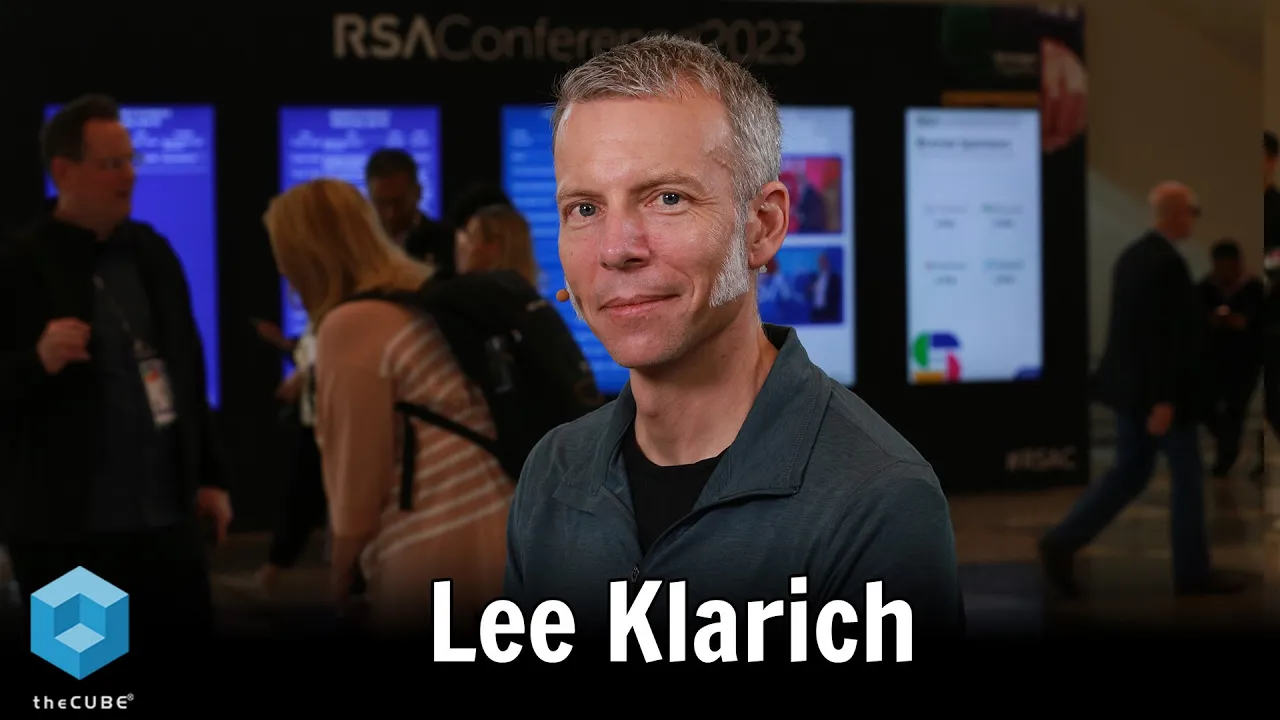
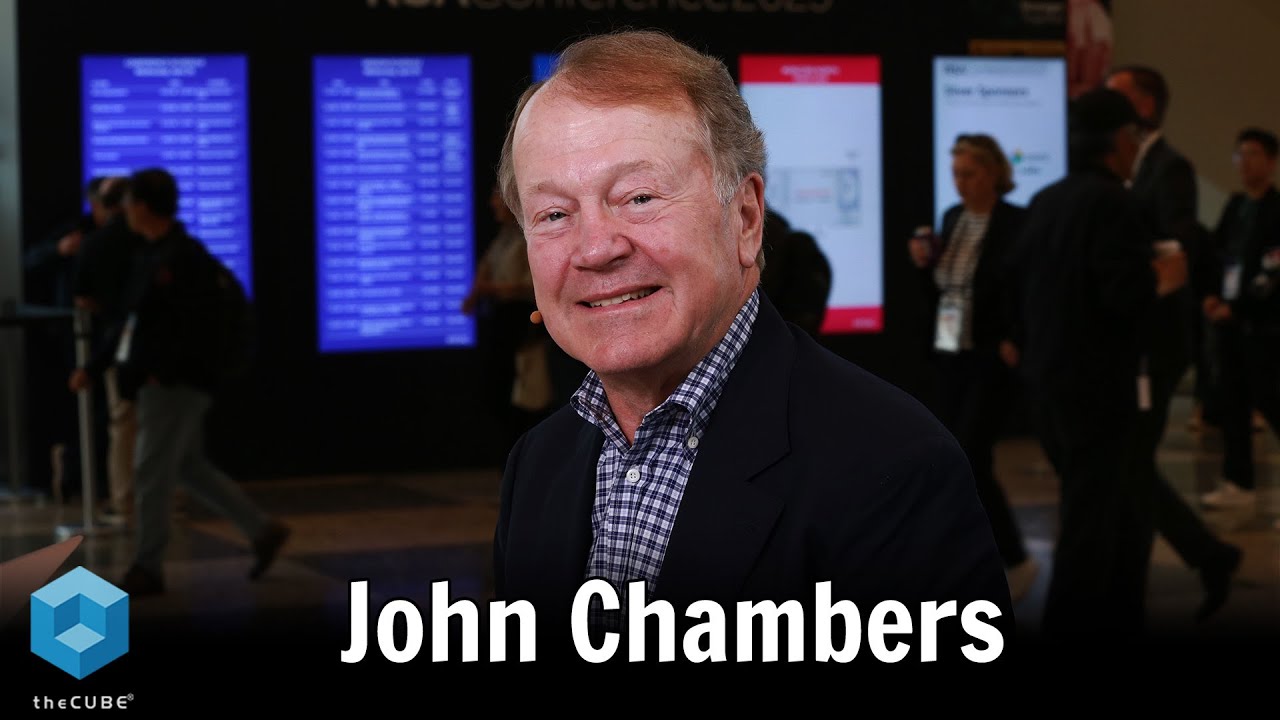
John was holding court. It was amazing to see him in action. And so really plugged into the scene and knows what's going on. So we're going to pick his brain about what he learned last night. John Chambers is coming on, again, you're talking about a sense of urgency. John is a longtime friend of theCUBE so we're super excited to have him. Lee Klarich is the Chief Product officer of Palo Alto Networks. They've been a big
supporter of theCUBE as well and helped us, you know, get
to RSA conference this year. We're super excited to
have on Zeus Kerravala, he's coming on 11:30. So Lee is on 11:00 West Coast time. Nayaki Nayyar is coming on. She's the CEO of Securonix. New CEO there. We've got some folks
from Fortinet coming on and that's going to be really interesting. Some threat intelligence people, Apiro, it's kind of an interesting
startup in this space. We got a number of folks
coming on from CrowdStrike. They're chief product officer. We got some folks from
Sunrise Security coming on. Michael Sentonas is also coming on. He's the former CTO of CrowdStrike. They just named him
president of the company. So we're going to get their perspectives. So it's wall-to-wall
coverage of theCUBE as usual. We're here on broadcast
row in Moscone West. Stop by and see us if
you're here at Moscone. If not, check out siliconangle.com. Rob Ho and his team are
cranking out all the news. Duncan Riley, Mike
Wheatley, Maria Deutscher, our newest journalist, David Strom is here getting all the stories. Mark Albertson is here. He's out watching the
keynotes, digging deep and getting all the
story they're feeding us. So go to siliconangle.com. theCUBE.net is where
you'll find all the videos from this and other shows. So we're kicking off day three. Wednesday at RSA conference 2023. You're watching theCUBE. We'll be right back at Moscone West right after this short break.
(bright music) >> Hi everybody. Welcome back to RSA Conference 2023. This is theCUBE's continuous
coverage day three. It's Wednesday, hump day here at the show. Last night, it was just packed. So many parties, you know,
we're bouncing around. John Furrier is on his way up
because he's stuck in traffic 'cause he's coming up from Palo Alto. But he's got all kinds of information that he's been digging. He and I were out last night. Got some good, good action going. But yeah, so people are
saying there's probably 40 to 50,000 people here. I haven't heard the official numbers. My guess was 50,000. It's actually amazingly packed. We had the keynotes this morning. One of our guest, John
Chambers, who's coming on later was speaking at the keynote
in a little fireside chat. He was talking about the lack
of urgency in the industry. So we're going to ask him about that. And there's been a big week in earnings. Microsoft announced they beat
their earnings last night. Google has announced. I wanted to take a minute to unpack some of the cloud action. As you know, we follow
that very closely here. And the other news is
the UK is, UK regulators are blocking the Microsoft
acquisition of Activision. I dunno if you guys
heard that, but you know, we thought that was going to go through. We thought it was going to be
have some conditions that the UK was going to put on it, but it looks like they're
going to try to kill it. And so that's a big blow to Microsoft. I mean, they were basically
going to transform their entire gaming business to be online and basically a cloud-based business. And that looks like
it's really in jeopardy It's another example of
governments around the world basically, you know,
trying to halt, you know, the acquisition posture of big tech on the potential that it
could limit competition. It's really seeing a shift in
sort of the pendulum swinging, sort of away from sort of
the business friendly posture that we've seen historically. We certainly know Lina
Khan in the United States, the chair of the FTC is
definitely on a mission to scrutinize more closely,
that's an understatement, big tech generally, and big
tech acquisitions specifically. We certainly saw the US
government was very unsupportive of the arm acquisition by Nvidia. Sort of didn't really,
didn't support that. In fact, I think it's sued Nvidia and so we're seeing just
a change in posture there. So Activision is the latest. But back to Microsoft's earnings. They beat earnings. The stock is up today quite nicely. It's up, you know, high single digits. And Azure came in at about,
we had it at about 30% growth. They came in at about 31%
growth in constant currency. So we were right on our number. GCP, Google announced Alphabet announced. You know, it's interesting,
we follow Google very closely. We listen really carefully
to the announcements that they make, their language,
their earnings posture. As you know, only AWS really
reports what we would call clean IS, infrastructure
as a service revenue. So you take AWS and it's harder to make an apples to apples comparison
across the big three clouds. AWS, GCP, Google Cloud
Platform, and Microsoft Azure. Because Google and Microsoft
bundle in their other software, their application software. So for instance, office 365 is
in Microsoft's Cloud number. Google's sort of workspaces
is in Google's Cloud number. However, each company gives
clues as to the growth rate and the relative performance. So for example, Microsoft
actually reported that its Azure business grew
31% in constant currency. The problem is they never tell you and they have never have
historically what that number is, what the absolute number is. So we've had to triangulate
going back, you know, I dunno four or five years. So I'll talk about where
we have that number. GCP's a little different. So GCP will tell you that
their cloud business was $7.5 billion this quarter. Now normally what they
do, and they did as well is they will give a relative
performance of GCP, sorry Google Cloud, they'll give you a number. The $7.5 billion, I
might've misspoken there but Google Cloud was 7.5
billion in the quarter. Now normally what Google has
said historically, going back you know, a few years now
that Google Cloud, GCP the language used to be
on the earnings call, significantly the growth of
GCP significantly outpaced that of the overall Google Cloud. That language changed about a year ago, maybe five quarters ago, four or five, I can't remember exactly where Google then moderated that and then
said GCP grew faster than the overall cloud business. So we inferred from that that, okay, the gap between Google Cloud
growth and GCP was closing. The GCP was higher, but it was closing. This quarter they basically
said GCP remains strong across the board in all
regions, in all industries. My estimate is that Google
Cloud actually grew more slowly than Google's overall cloud business. So you've got Google Cloud
growing by their numbers at 28%. I'm guessing that's constant
currency but I'm not positive. Actually, it may not be. I had 28% for GCP. I think that number's lower. I think it's more like 21% to 22%. But Alphabet grew 3% overall. It had a $70 billion top line
and it had an operating profit in its cloud division the first time ever. I mean, remember it was losing billions in its cloud division. So that's a real positive to focus on. And then AWS announces later on this week, word is there's some rumors that even AWS is going to have layoffs. So that's a big deal because
AWS is the profit driver. Everybody expected that the
AWS side of the business would not be impacted
by headcount reductions. I've got AWS growing at 15%
this quarter year on year. Others I think have them somewhat lower. And we've heard conversations
that Q2 forecast are down as low as 10%. Now, people may think and
do think that that's a sign that Amazon is losing share. And they are. No question that Azure grew faster and gained share this quarter. I mean at 30% it's you know, clearly appears to be
anyway growing its share. We'll see when Amazon announce, but I don't think Amazon's
going to be growing at 30%. No way. Google's a bit of a concern
'cause they're much smaller. So here's the numbers. My estimates are that a
Amazon AWS when they announce will come in just above $20
billion for the quarter, let's call it $21 billion. That's about 15% growth year on year. I've got Azure at $17 billion or about 30% growth in constant currency. GCP growing 20% to 21% at $3.5 billion. So you can see the delta,
I mean we're talking about you know, 6x, 1/6 Amazon's business. But notice at $21 billion
and $17 billion that delta this is just an attempt
to be apples to apples with infrastructure as a service. You can see that there's a compression between Azure and AWS. So we'll see what's happening there. And again, the companies
don't report apples to apples, but through, you know, various research and analysis and surveys
and other discussions we try to triangulate that
and take our best shot. We're one of the few
companies that actually does try to do an apples
to apples comparison. Meta of course is next. Later on this week we'll
be hearing from them. I also want to talk about
just a general climate. We talked about this
yesterday a little bit with John, John Furrier. We got a weird situation going on, right? And there's more talk
now of a soft landing. Soft landing, meaning that the
fed's actions to raise rates and stall the economic
growth really is an effort to fight inflation. The concern is that'll
cause a hard landing which would be a big recession. There's more talk now about a soft landing because you've really got a mixed case. You've got most earnings now
coming in above expectations. So we're not seeing a lot of I think I saw the number, 80% of earnings thus far this quarter are above forecasts. Have hit or beat their consensus forecast. So that's a good sign. Now nobody's really, there's not a broad increase in outlook. People aren't beating and raising. They're beating. So there's still a lot of conservatism but I think that conservatism
coming into this quarter it was a good thing. But you're seeing, obviously
banks are down, you know, First Republic continues to be under fire even though the big banks are just fine. GM is up. I mean GM had a great quarter and raised. They're one of the
companies who did raise. Consumer staples are benefiting
from higher inflation. So things like toothpaste and diapers and you know,
detergent and Coca-Cola and McDonald's are more expensive. Housing obviously is softer
after the big run up. Google from its results,
we saw advertising down. We'll see what happens with Facebook. You know and tech and
cloud generally is down. But since the beginning of the
year, actually since October people that bought the dip
actually have done pretty well. But it's still a lot of
uncertainty out there and a lot of as I say,
conservatism in the numbers. The other thing is, and
we've reported on this that the series C
funding or growth funding really has dried up and
there's a lot of funding that's from VCs that's
shifting now into early stage. I think VCs are all excited. Everybody's excited about
GPT and foundation models. VCs are particularly excited because it means they
can start more companies for less money. So if you're a venture
capitalist and you've got let's say you got a bunch of money, let's say you got, you know, 5, 10, 15, maybe even a hundred million
in to a series C company a hundred million might change
your posture a little bit. But let's say you've got a bunch of money into a series C company and that company's got to do a down round,
is going to go wash out their existing shareholders to a certain extent, the employees. So they're going to be demotivated. You got to bring in some
other outside investors. You got to really rethink about, okay, how are we going to retool this company if they're not cash flow positive or at least fundamentally profitable. Inherently profitable. So what would you do? Would you put more money into
that entity or would you say hey, let's start identifying companies that we can start that
can really drive AI. 'Cause that's the next big wave. And of course we know VCs, you know, they would much rather have,
you know, a 10% hit rate on a 100x or even a
1000x return, you know, than a 90% hit rate on a
1.2x return, of course. So unlike Tiger Management,
which is a huge hedge fund, which you know, recapped
its whole portfolio which puts in big, big money
looking for a you know, let's call it a 1.5x return because the numbers are
so big, the net is so big. VCs obviously play a different game. And so there's a lot of conversations about the shift in investing mentality. So that's something that,
you know, we're watching. Now here at RSA, you know, there's a lot of conversation certainly from the vendor
community about optimism. You know, we're hearing it all over that we're optimistic. You know, looking forward, the
possibility for generative AI to do good things is great. You know, I guess I'm an optimist but I'm a realist as well
because the other piece of the narrative that you
hear is we got to spend more but we spend more every year but it doesn't seem to make us safer even though our security is better we just don't seem to be safer. So that's something that we've
been poking at a little bit because most security
chest wounds, if you will, open chest wounds are self-inflicted. So it's unclear why spending more is going to be you know, an answer. And you know, look
despite heavy investments in cybersecurity, you know, people are still falling
victim to cyber attack. So, you know, it begs the question are tech vendors over promising? You know, that's been a
hallmark of technology companies for years is, you know, they
promised the moon and you know, they deliver, you know,
they promised the stars and they deliver the
moon maybe I should say. There's also a lot of talk about foundation models, of course. I mean, everybody's talking about AI. We've not found clear evidence from talking to the big
threat intelligent companies. You know, think Mandiant,
think Palo Alto's Unit 42. We got a lot of CrowdStrike
folks coming on today and we'll ask them. We've not seen or heard from them that there's clear evidence that the attackers are using
foundation models like GPT to actually invoke attacks. Now that doesn't mean
they're not doing it. As John Furrier pointed
out yesterday, Dave, I guarantee that they're doing this but they haven't seen
clear indications yet in terms of signatures that
they can definitely say are you know, GPT driven. And I think part of the attacker approach is going to be to hide those signatures. Use AI to hide those signatures. So that's a big, you know, discussion. Well, there's also of course a discussion on the upshot of generative AI. You know, we talked to Google about this. Sunil Potti said look,
we're going to focus on the low risk, high return areas. And what are those? So one of the things that
was really interesting in the Palo Alto Unit 42
threat intelligence report is that 80% of the alerts
come from 5% of the rules. Okay so, and this has
been the case for years. So what does that mean? That means that SecOps
pros are getting inundated with the same types of alerts and they're struggling to prioritize. So perhaps generative AI
and AI you know generally can be used to help prioritize and maybe even take action
on some of those alerts and maybe even sift out the ones that aren't critical. So, you know, the other
sort of point of discussion which is kind of
interesting is cybersecurity you know, often leads, breaches often lead to significant financial
and reputational losses. So should security vendors
be held financially or legally accountable for
failing to prevent breaches? You know, and if so,
under what circumstances? And to what extent, you
know, can and should cyber companies, you know,
cover those situations and what role will public policy play and the government play
in kind of enforcing that? So I don't think anything's
going to happen soon but it's a discussion
that's been coming up. And you know, the other piece of that when you think about public
policy and the US government obviously they have tremendous
capabilities in cyber, how aggressive should the US government be in terms of its response
to nation state attacks? On the one hand, you know, we could do some damage
as the United States. On the other hand we got a lot to lose with
critical infrastructure. So we had a big discussion
yesterday on theCUBE about securing critical
infrastructure like power plants and dams and reservoirs
and things of that nature, which are so important
obviously to you know, the stability of the economy
and the general health of people and nations. Okay, so today, big day here. I mean some of the things
that we've you know, covered this week are just,
you know, an amazing, you know, two days so far. We're getting into day three. John Furrier is on his way, he's been out you know, doing some great research last night. He's got so many great contacts. You know, you walk around
the area here with John, everybody knows him. All the VCs know him. We popped into a VC meeting last night, little meetup, you know,
John was holding court. It was amazing to see him in action. And so really plugged into the scene and knows what's going on. So we're going to pick his brain about what he learned last night. John Chambers is coming on, again, you're talking about a sense of urgency. John is a longtime friend of theCUBE so we're super excited to have him. Lee Klarich is the Chief Product officer of Palo Alto Networks. They've been a big
supporter of theCUBE as well and helped us, you know, get
to RSA conference this year. We're super excited to
have on Zeus Kerravala, he's coming on 11:30. So Lee is on 11:00 West Coast time. Nayaki Nayyar is coming on. She's the CEO of Securonix. New CEO there. We've got some folks
from Fortinet coming on and that's going to be really interesting. Some threat intelligence people, Apiro, it's kind of an interesting
startup in this space. We got a number of folks
coming on from CrowdStrike. They're chief product officer. We got some folks from
Sunrise Security coming on. Michael Sentonas is also coming on. He's the former CTO of CrowdStrike. They just named him
president of the company. So we're going to get their perspectives. So it's wall-to-wall
coverage of theCUBE as usual. We're here on broadcast
row in Moscone West. Stop by and see us if
you're here at Moscone. If not, check out siliconangle.com. Rob Ho and his team are
cranking out all the news. Duncan Riley, Mike
Wheatley, Maria Deutscher, our newest journalist, David Strom is here getting all the stories. Mark Albertson is here. He's out watching the
keynotes, digging deep and getting all the
story they're feeding us. So go to siliconangle.com. theCUBE.net is where
you'll find all the videos from this and other shows. So we're kicking off day three. Wednesday at RSA conference 2023. You're watching theCUBE. We'll be right back at Moscone West right after this short break.